

In an era where Luckin and Cotti have commoditized fresh coffee to a mere 9.9 yuan delivered to one’s doorstep, a burgeoning segment of China’s middle class is heading in the opposite direction. These consumers are spending thousands of yuan on bulky, manual espresso machines that require significant labor to produce a single cup. This shift from caffeine-as-fuel to coffee-as-ritual has paved the way for Gemilai, a manufacturer based in China’s appliance capital of Shunde, to file for a landmark IPO on the Hong Kong Stock Exchange.
Founded in 2011, Gemilai is attempting to become the first domestic coffee machine maker to go public. Its financial trajectory is striking: the company reported revenues of 498 million yuan in 2024, a 61.7% year-on-year surge, with momentum continuing into 2025. While China’s per capita coffee consumption remains a fraction of European or North American levels—14.3 cups annually compared to over 500 in Europe—the domestic market for coffee hardware has more than doubled since 2019, reaching 5.3 billion yuan last year.
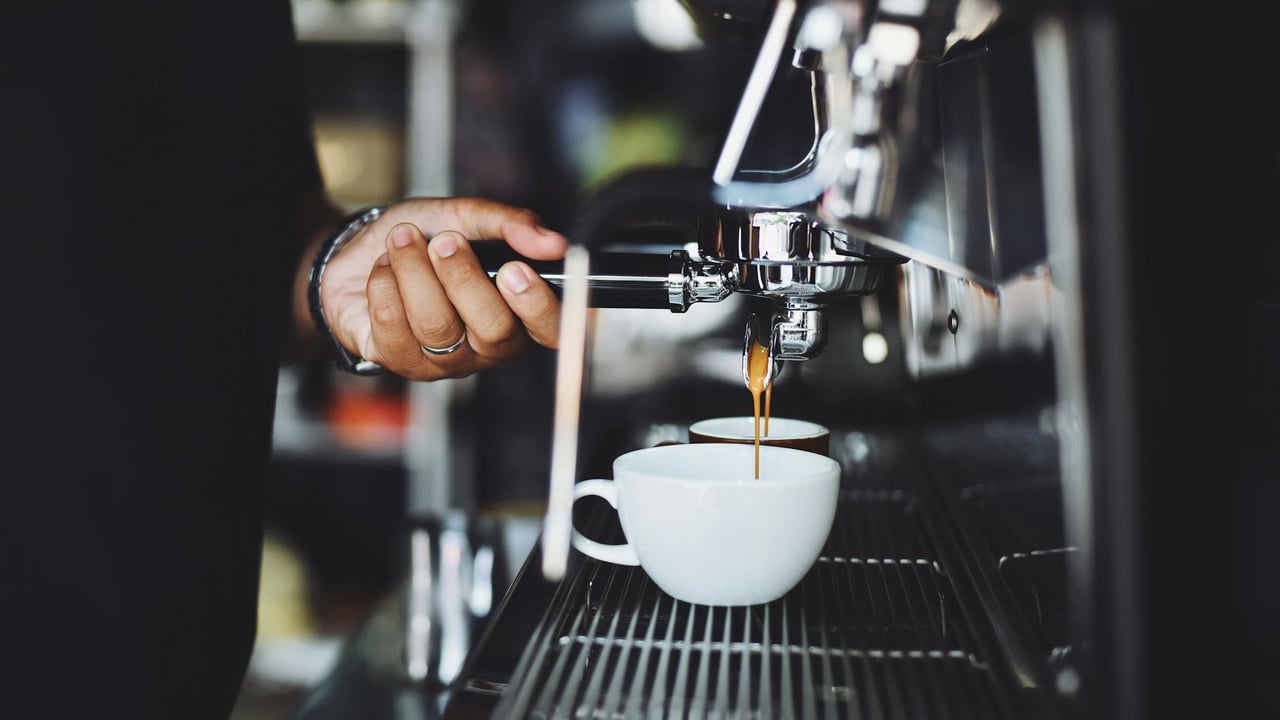
The appeal of Gemilai lies in its 'commercial technology for home use' philosophy. By outfitting home machines with professional-grade components like E61 group heads and 58mm portafilters, Gemilai offers the promise of café-quality espresso in a domestic setting. For many young professionals, the complexity of the machine is not a bug but a feature. The arduous process of grinding, tamping, and cleaning provides a 'spiritual sanctuary'—a tactile escape from the digital grind of the corporate world.
However, this 'manual romance' comes with a steep learning curve that often leads to buyer's remorse. New users frequently find themselves frustrated by the precision required; a slight change in grind size can turn a premium bean into a bitter mess. Some users have jokingly compared the maintenance of a semi-automatic machine to 'serving a father,' noting that the constant cleaning of steam wands and group heads often outweighs the joy of the drink. This high barrier to entry has created a vibrant second-hand market for 'nearly new' machines from discouraged hobbyists.
From a business perspective, Gemilai’s heavy reliance on a single category is a double-edged sword. Semi-automatic machines account for over 84% of its total revenue. While this focus has allowed it to dominate niche rankings on platforms like Tmall and JD.com—often outperforming international giants like De'Longhi and Philips in specific segments—it leaves the company vulnerable. As coffee consumption matures in China, industry analysts suggest the mass market may eventually pivot toward fully automatic machines that prioritize time-efficiency over the theater of brewing.
To mitigate these risks, Gemilai is aggressively pivoting toward lifestyle branding. By appointing high-profile ambassadors like actress Zhu Zhu and boutique coffee pioneer Zhang Yinzhe, the company is attempting to transcend its roots as a Shunde hardware manufacturer. The goal is to transform the coffee machine into a piece of 'social currency'—an aesthetic centerpiece for the modern Chinese home. Whether this brand equity can survive the inevitable cooling of the 'manual coffee' hype remains the central question for potential investors in the Hong Kong market.