
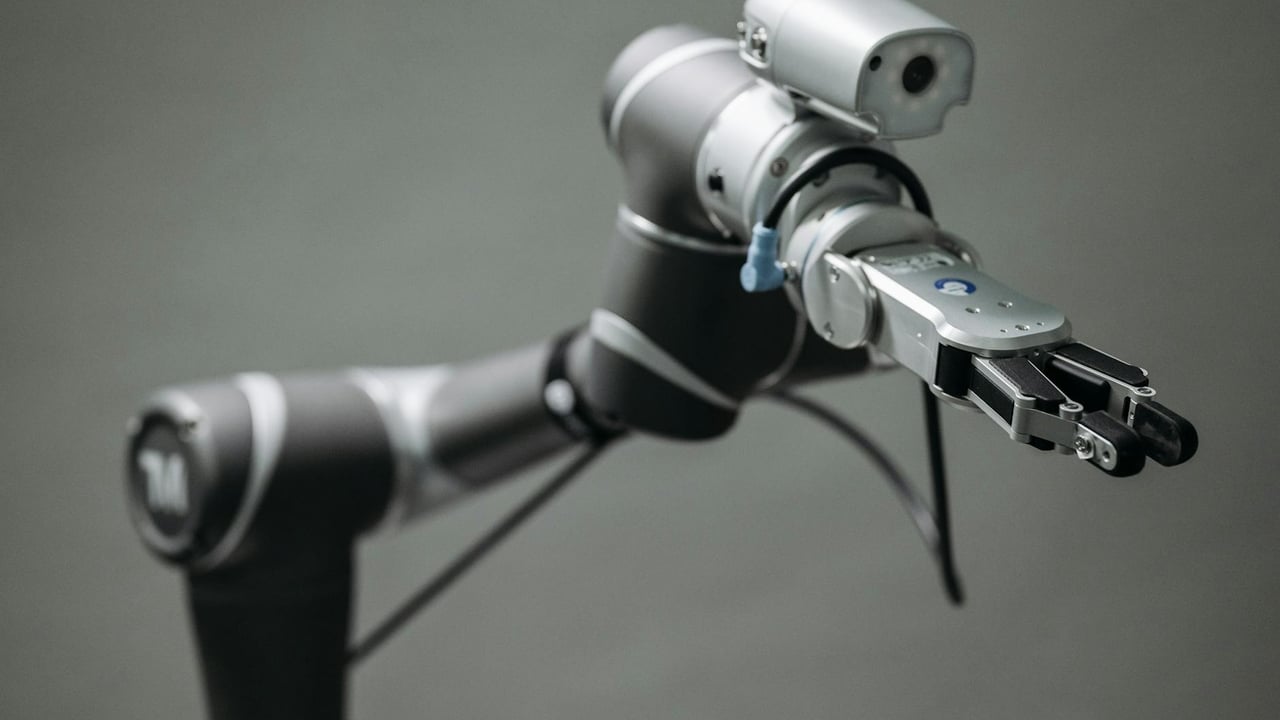

Li Peigen, the influential former president of Huazhong University of Science and Technology, has issued a sharp critique of the current trajectory of China’s robotics industry. Speaking at a recent science forum, the veteran academician argued that while synchronized robot dances and acrobatic feats are visually arresting, they represent a fundamental misallocation of technological focus. He urged the sector to pivot away from theatrical flair and toward the grit of industrial application.
The backdrop for Li’s criticism is a domestic market currently obsessed with humanoid robotics, a trend fueled by both global competition and Beijing’s push for 'New Quality Productive Forces.' Dozens of Chinese startups have recently unveiled prototypes capable of backflips and complex gestures, often aiming to capture venture capital interest or social media virality. However, Li contends that the true value of robotics lies not in mimicry of human entertainment, but in solving the structural bottlenecks of the manufacturing floor.
This tension between 'showbots' and 'workbots' highlights a growing divide within China’s tech ecosystem. As the country faces a shrinking labor force and rising production costs, the state’s strategic mandate is to automate the factory, not the stage. Li’s remarks serve as a reminder that the engineering challenges of a high-precision production line are vastly more complex, and more economically vital, than the programmed choreography of a public exhibition.
Ultimately, the maturation of China’s robotics sector will be measured by its ability to integrate 'embodied intelligence' into messy, unpredictable industrial environments. While the spectacle of a flipping robot might signal hardware agility, the real victory for Chinese engineering will be found in the less glamorous work of logistics, assembly, and autonomous maintenance. For Li and his peers, it is time for the industry to stop performing and start producing.