

The smoldering remains of a C-130 Hercules and several Black Hawk helicopters on the Iranian plains serve as a stark reminder of how close the U.S. military came to a catastrophic embarrassment. While President Donald Trump has hailed the April 2026 recovery of an F-15E Strike Eagle crew as the "boldest and bravest rescue in history," the 50-hour joint operation reveals a conflict that is far from the clinical, high-tech walkover envisioned at the war's outset in February. The mission, necessitated by the downing of a fighter jet by a shoulder-fired missile, nearly faltered when two specialized transport aircraft became mired in the mud of a makeshift landing strip.
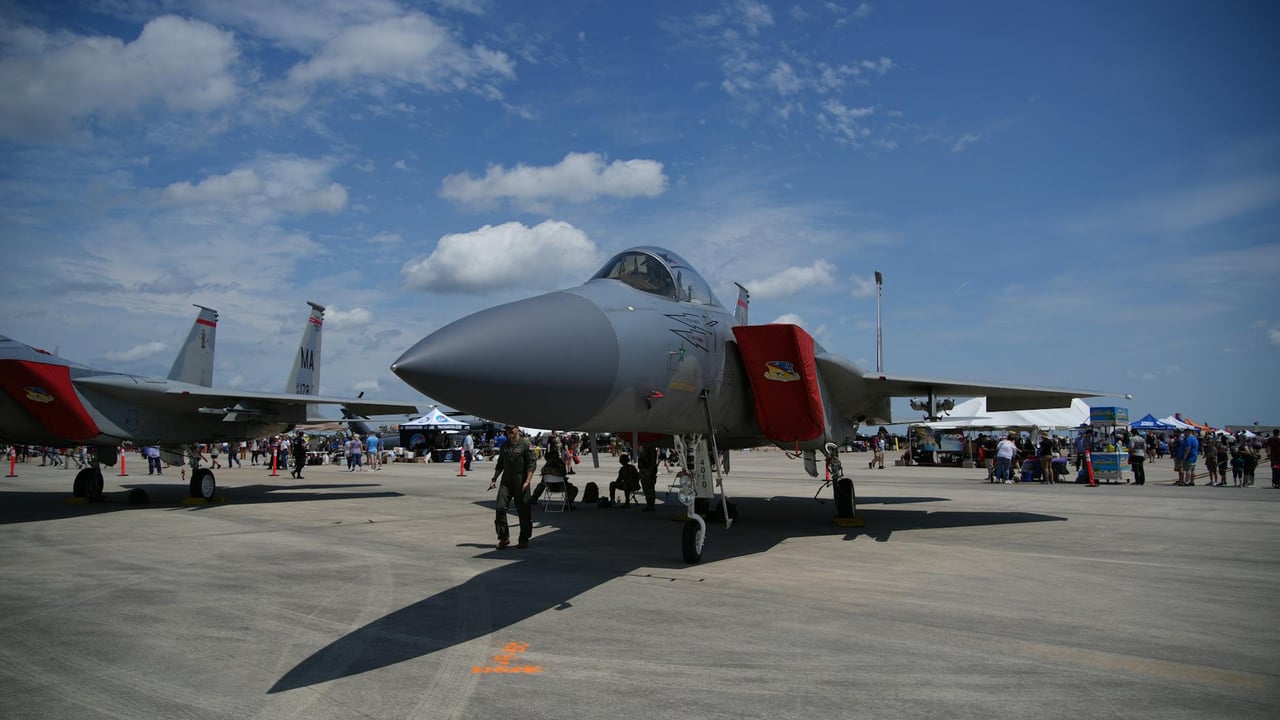
The ordeal began in the early hours of April 3, 2026, when a dual-seat F-15E, callsign "Dude44," was struck by an Iranian MANPADS. Despite American efforts to dismantle Iran’s integrated air defense systems over the preceding month, the incident highlights the persistent lethality of man-portable infrared missiles. These weapons, while small, have proven capable of exploiting the heat signatures of advanced strike aircraft, forcing the U.S. to confront the reality that localized air superiority remains a moving target in the rugged Iranian interior.
The subsequent recovery operation unfolded in two distinct phases, reflecting the geographical separation of the ejected crew members. The pilot was retrieved within seven hours through a conventional Air Force-led mission involving A-10 Warthogs and HH-60W rescue helicopters. However, this initial success was marred by intense ground fire from Iranian light weapons, which damaged several aircraft and led to the eventual crash of an A-10 in Kuwait after its pilot safely escaped. The survival of the first crew member was more a testament to Iranian logistical delays and infrastructure damage than to a total suppression of local resistance.
The rescue of the Weapon Systems Officer (WSO), an officer identified by the callsign "44 Bravo," presented a far more complex challenge. Injured and hiding in the mountains near Isfahan at an elevation of 2,100 meters, the WSO became the center of a massive multi-branch operation involving 155 aircraft. This second phase saw unprecedented coordination between U.S. Central Command and the Israeli Defense Forces, utilizing massive diversionary airstrikes and CIA-led disinformation campaigns to draw Iranian attention away from the extraction point.
Critically, the mission nearly echoed the failure of the 1980 "Desert One" rescue attempt. As special forces utilized MH-6 "Little Bird" helicopters to retrieve the bleeding officer, two MC-130J Commando II transports became trapped in wet, silty sand. To prevent the capture of sensitive technology, U.S. forces were forced to burn the multimillion-dollar aircraft in place. While the crew was eventually extracted via helicopter, the loss of these assets and the accompanying "scorched earth" bombing of civilian roads underscores the extreme measures the Pentagon is willing to take to avoid the political nightmare of a captured American serviceman.
Ultimately, while the U.S. successfully adhered to its "no man left behind" doctrine, the strategic victory is ambiguous. The operation relied on overwhelming force and the destruction of critical Iranian infrastructure, which resulted in significant civilian casualties and the loss of several high-value U.S. airframes. As the war enters its second month, the resilience of Iranian mobile defenses suggests that the U.S. military may find itself repeatedly forced into these high-risk, high-cost rescue scenarios, testing the limits of its operational sustainability in the Persian heartland.