
# U.S. Central Command
Latest news and articles about U.S. Central Command
Total: 13 articles found
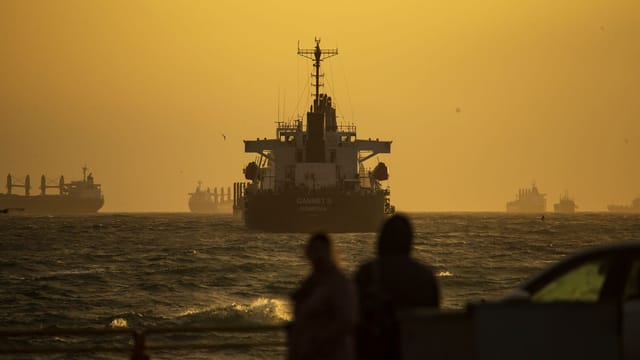
Brinkmanship at the Chokepoint: Iran’s Reported Blockade of the Strait of Hormuz
Iran's Revolutionary Guard has announced the closure of the Strait of Hormuz citing U.S. ceasefire violations, though U.S. Central Command maintains that commercial traffic is still flowing normally. The conflicting reports highlight a dangerous escalation in the Persian Gulf that threatens global energy stability.
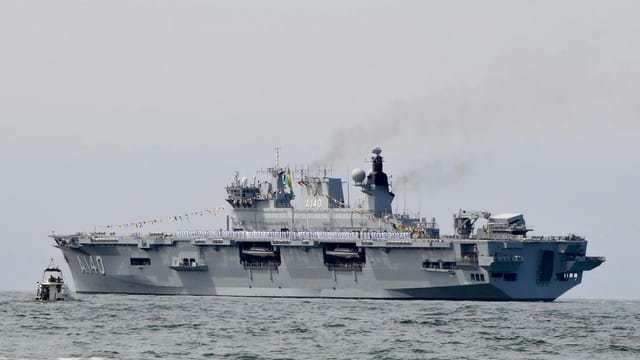
Gulf Escalation: U.S. Neutralizes Iranian Missile Barrage and Strikes Back at Qeshm Island
U.S. forces successfully intercepted a wide-scale Iranian missile and drone attack targeting civilian shipping and regional neighbors. In response, CENTCOM conducted a defensive strike on an Iranian control station on Qeshm Island while vehemently denying Iranian claims of a successful hit on the U.S. Fifth Fleet headquarters.
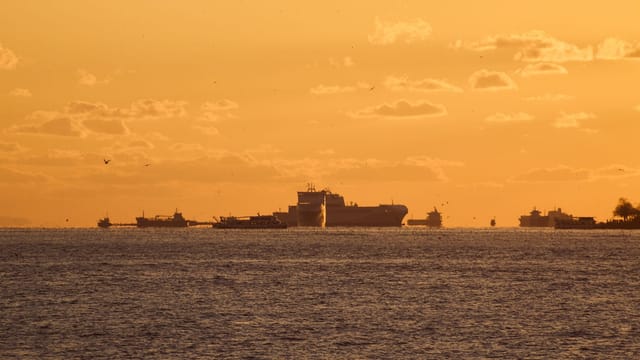
Treading Water: US 'Project Freedom' Struggles to Reopen the Strait of Hormuz
Since the U.S.-Israel military strikes on Iran, merchant traffic in the Strait of Hormuz has collapsed from 100 ships per day to just three. Despite 'quiet' guidance from the U.S. military for 70 vessels, the recovery of the vital shipping lane is stalled by diplomatic friction with Saudi Arabia and the suspension of 'Project Freedom.'
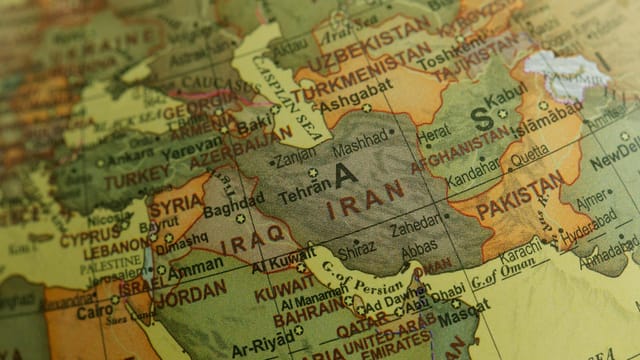
A Fragile Truce Tested: U.S. Strikes on Iranian Assets Highlight Rising Persian Gulf Tensions
U.S. forces launched 'self-defense' airstrikes against Iranian missile sites and naval vessels on May 25, 2026, following reports of imminent threats. The incident, which Tehran views as a ceasefire violation, marks a significant escalation in the ongoing maritime shadow war near the Strait of Hormuz.
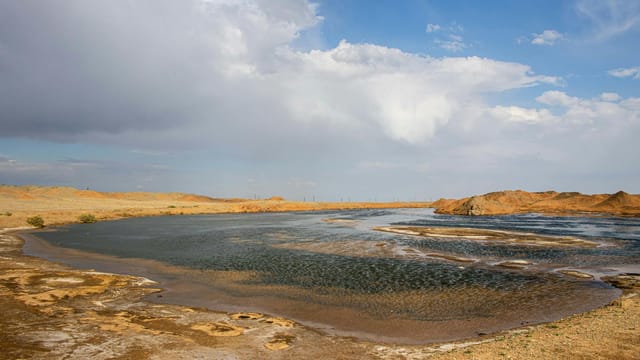
Brinkmanship in the Strait: Tehran Navigates BRICS Diplomacy Amid Escalating Tensions
At a BRICS meeting in New Delhi, Iran's Foreign Minister proposed a conditional return to diplomacy while asserting military oversight of the Strait of Hormuz. Despite Tehran's claims of seeking a non-military resolution, heightened readiness from the U.S. and explicit threats of action from Israel suggest a deepening regional crisis.
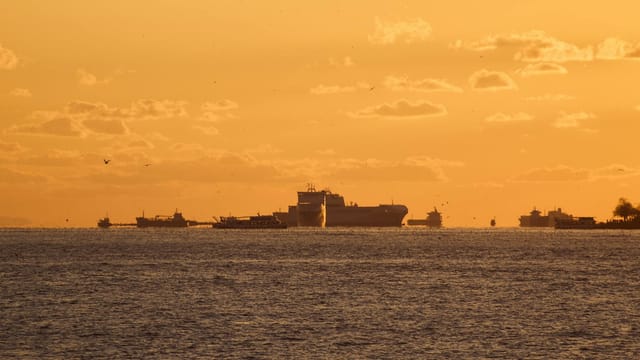
Escalation in the Strait: U.S. Naval Forces Sink Iranian Vessels in High-Stakes Maritime Clearing Operation
U.S. Central Command has confirmed the sinking of six Iranian vessels and the interception of missiles during a new operation to clear the Strait of Hormuz. This escalation follows a presidential directive to guide stranded commercial ships through the waterway amid a highly effective maritime blockade of Iran.
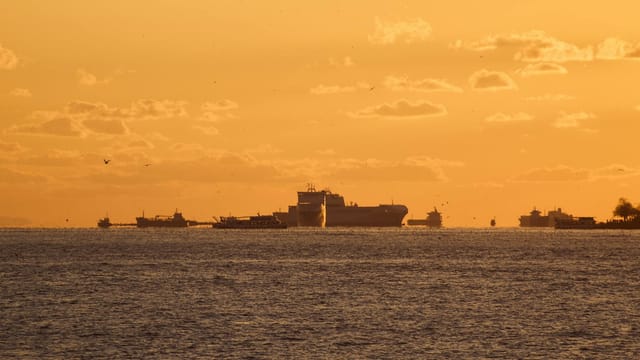
Gunboat Diplomacy 2.0: Washington Tightens the Noose Around Iranian Ports
The United States has launched a massive blockade of Iranian ports involving 10,000 personnel and dozens of warships, strictly controlling traffic through the Strait of Hormuz. While some commercial transit has resumed, the blockade has successfully forced several merchant ships to retreat, marking a significant escalation in regional tensions.
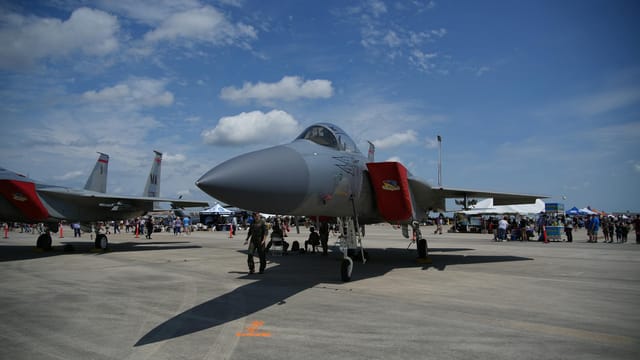
Shadows of Desert One: The Tactical Brilliance and Strategic Cost of America’s Boldest Rescue in Iran
A 50-hour joint U.S.-Israeli operation successfully rescued two F-15E crew members downed in Iran, but only after nearly failing due to equipment mishaps and intense local resistance. The mission resulted in the loss of several American aircraft and highlighted the persistent threat of mobile Iranian air defenses despite weeks of sustained bombardment.

Emptying the Arsenal: US Risks Pacific Deterrence to Fuel Iranian Escalation
The United States is reportedly depleting its global JASSM-ER missile stockpiles, including critical reserves in the Pacific, to support a high-intensity military campaign against Iran. This strategic shift highlights the logistical strain of managing multi-theater conflicts and creates a temporary window of vulnerability in the Indo-Pacific region.
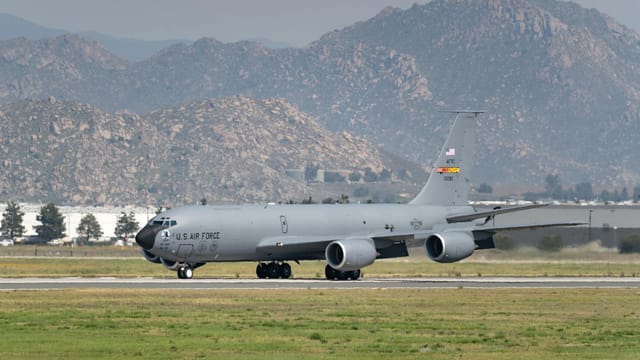
U.S. KC-135 Tanker Crashes in Western Iraq; CENTCOM Rules Out Combat or Friendly Fire
A U.S. KC-135 aerial refuelling tanker crashed in western Iraq on 12 March; CENTCOM said the loss was not caused by enemy fire or friendly fire and that rescue efforts continue. The incident complicates U.S. air operations in a tense region and will require a technical investigation to rule out mechanical failure, human error or mishap during refuelling.

U.S. Says It Has Struck Some 2,000 Iranian Targets as Gulf Fighting Intensifies
U.S. Central Command says American and Israeli forces have conducted a massive strike campaign on Iran, hitting about 2,000 targets and destroying 17 ships while Iran fired hundreds of ballistic missiles and thousands of drones in response. The scale of the exchange raises verification questions and heightens the risk of wider regional and global economic fallout, especially for shipping and energy markets.

CENTCOM Rebuts Iran’s Claim of 560 U.S. Casualties — A New Front in Information Warfare
Iran’s Revolutionary Guard claimed its strikes caused 560 U.S. casualties in the Middle East, a figure that U.S. Central Command publicly denied in a social-media "fact-check." The clash illustrates the growing importance of information warfare in the region and the risks that unverified claims pose to diplomacy and security.