
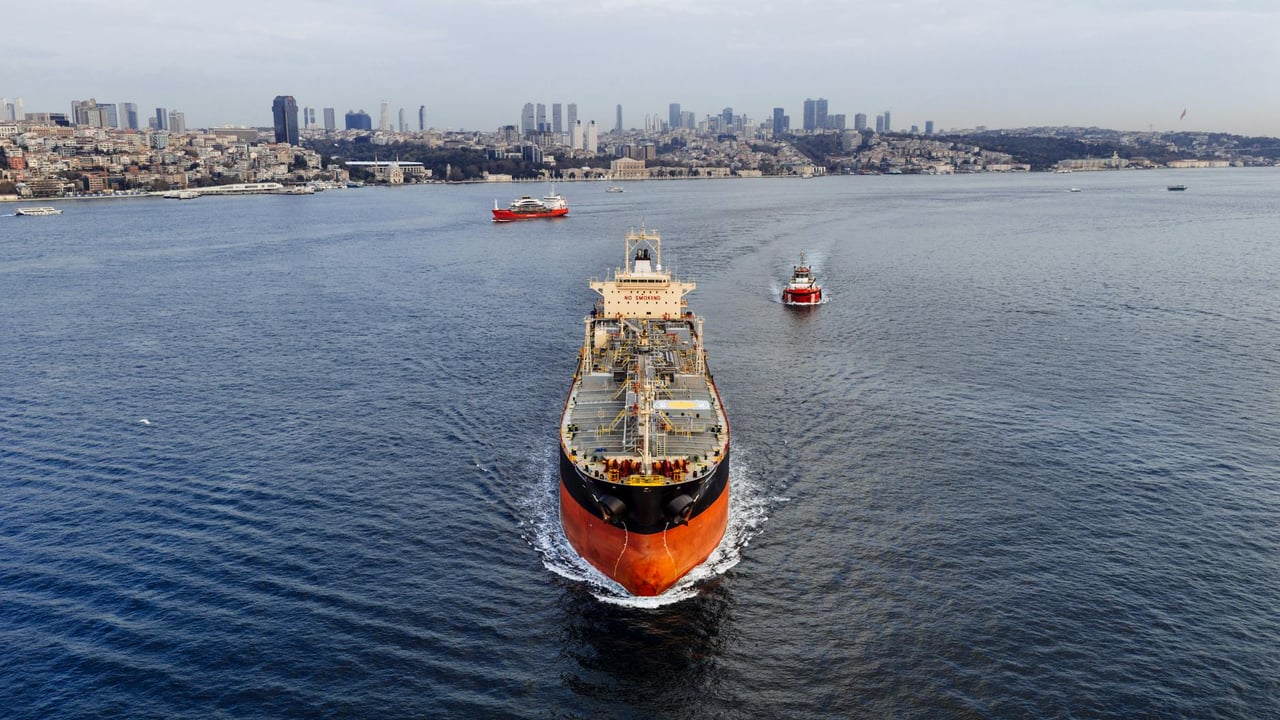

Donald Trump’s vision for the Middle East has long pivoted on a blend of maximalist pressure and transactional deal-making. In his latest remarks, the American president has signaled a radical shift in maritime strategy by framing the Strait of Hormuz—traditionally a geopolitical flashpoint—as a nascent engine of 'huge wealth.' By promising to help resolve 'shipping congestion' in the world’s most critical energy artery, the administration is pivoting toward an economic-led stabilization of the region.
Central to this optimistic forecast is the unconfirmed but high-stakes report that Iran and Oman may begin levying transit fees on vessels passing through the strait. If realized, this would transform a corridor that carries a fifth of the world’s oil from a contested military zone into a commercialized toll-way. Trump’s rhetoric suggests that the United States is willing to provide the logistical and security 'staying power' to ensure these shipments flow smoothly, effectively acting as the guarantor of a new regional revenue stream.
The implications for Tehran are particularly striking, as Trump explicitly invited Iran to begin its 'reconstruction process.' This language marks a departure from the rhetoric of regime change or isolation, suggesting instead a path where Iran is integrated into a regional economic architecture. By framing the future as a 'Golden Age' for the Middle East, the administration is betting that the allure of reconstruction and transit wealth will outweigh decades of ideological hostility.
However, the international shipping community remains wary of the transition from free navigation to a fee-based model. For decades, the global economy has relied on the principle of unimpeded transit through international straits. If the U.S. sanctions or facilitates a toll system managed by Iran and Oman, it could set a precedent that fundamentally alters maritime law and increases the overhead for global energy logistics. Whether this 'wealth' will be shared or merely extracted remains the defining question of this new doctrine.