
# Maritime Law
Latest news and articles about Maritime Law
Total: 16 articles found
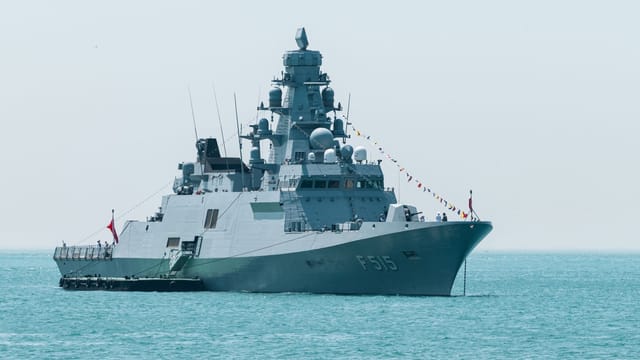
Beijing Projects Sovereignty East of Taiwan with High-Stakes Maritime Patrols
China has launched a significant maritime enforcement operation east of Taiwan, featuring a symbolic flag-raising ceremony on the Haixun 06 vessel. The mission is a direct response to maritime boundary talks between Japan and the Philippines, signaling Beijing's intent to enforce administrative jurisdiction in the Western Pacific.

Beijing Squeezes Taiwan’s Eastern Flank with New Maritime Enforcement Operation
China has initiated a special maritime law enforcement mission in the waters east of Taiwan, citing sovereignty disputes with Japan and the Philippines. This strategic expansion of 'gray zone' activities aims to normalize Chinese administrative control in the Western Pacific and counter regional security alliances.

Beijing Asserts 'Sovereign Right' to Operations in Disputed Scarborough Shoal
China's Foreign Ministry has reaffirmed its claim to Scarborough Shoal, describing its maritime activities as a matter of sovereign right. This stance highlights Beijing's continued rejection of international legal rulings and signals persistent tensions with the Philippines and its allies.

A Personal Crisis in a Public Conflict: The Detainment of Ireland’s Presidential Kin
Israeli naval forces have detained 11 Irish activists, including the sister of the Irish President, during an attempt to break the Gaza blockade. The incident has intensified diplomatic tensions and highlighted the personal dimension of Ireland’s ongoing criticism of Israeli policy.
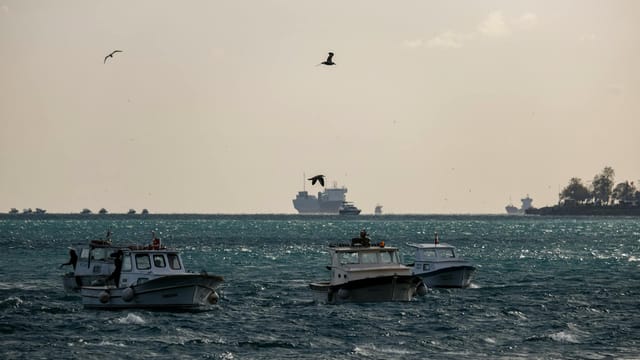
Brinkmanship in the Strait: Trump Pauses Strikes as Tehran Threatens Global Data Lifelines
The U.S. has rejected Iran's latest diplomatic proposals and is reconsidering military action, though President Trump paused an immediate strike following requests from Gulf allies. In response, Iran has established a new authority to regulate the Strait of Hormuz, threatening to impose fees on global fiber optic cables and open new asymmetric fronts.

A High-Stakes Escort: Europe’s Gamble in the Strait of Hormuz
The UK and France are spearheading a 40-nation naval coalition to secure the Strait of Hormuz, prompting Iran to declare a 'red line' and threaten military retaliation. The mission highlights Europe's drive for strategic autonomy but significantly raises the risk of accidental conflict in a critical global energy corridor.

The Great Decoupling: Why the 2026 Energy Crisis is a Structural Break, Not a Blip
The 2026 oil crisis, triggered by unprecedented disruptions in the Strait of Hormuz, has caused a historic decoupling between financial markets and physical supply. As China grapples with rising industrial costs and maritime norms face erosion in both the Middle East and Southeast Asia, the global energy priority has shifted decisively toward national security over economic efficiency.

Soft Power on the Shoals: The Intellectual Consolidation of China’s Maritime Presence
Recent reports from the South China Sea highlight a program of intellectual and ideological development aboard China Coast Guard vessels stationed at Scarborough Shoal. Through the 'Maritime Frontier Library' initiative, personnel are studying maritime law and literature to sustain morale and professionalize long-term deployments in contested waters.
Beijing Signals Disquiet as US Maritime Seizures Heighten Hormuz Tensions
China has expressed formal concern following the US military's seizure of an oil tanker bound for Iran in the Strait of Hormuz. Beijing's call for restraint and adherence to ceasefire agreements underscores its deepening anxiety regarding energy security and maritime stability in the region.
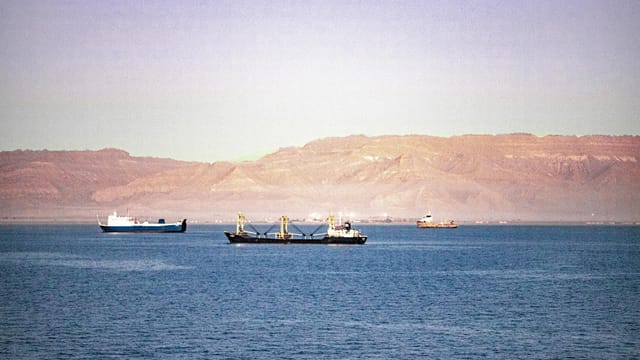
Brinkmanship at the Chokepoint: Beijing Braces for Impact as Trump Threatens Hormuz Blockade
Donald Trump's threat to blockade the Strait of Hormuz has prompted a call for 'calm and restraint' from China's Foreign Ministry. The situation highlights Beijing's acute energy vulnerabilities and the potential for a major escalation in U.S.-China geopolitical tensions over maritime security.
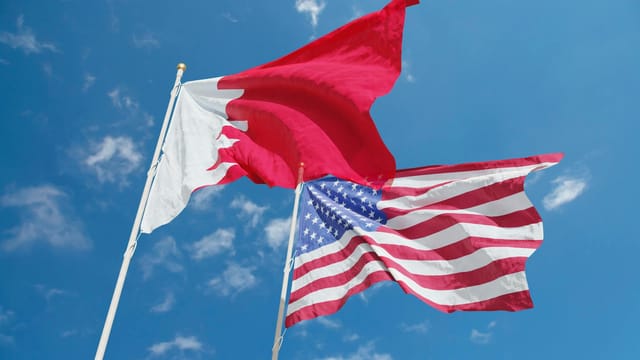
The Hormuz Tollbooth: Trump, Tehran, and the High Cost of a Fragile Peace
The United States and Iran have entered a sudden two-week ceasefire to negotiate the future of the Strait of Hormuz, with Pakistan acting as the primary mediator. The talks center on a controversial proposal to monetize the Strait through a 'joint venture' toll system, reflecting a shift from military confrontation to transactional diplomacy.
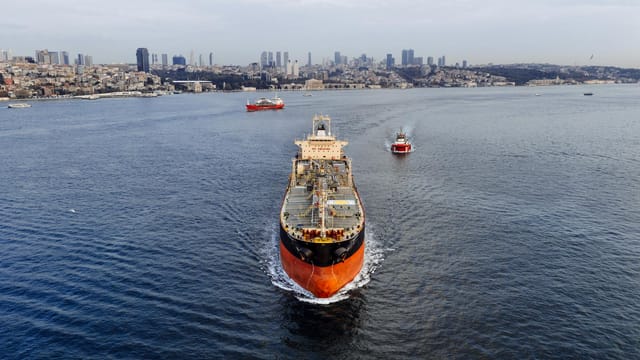
Trump’s Mercantile Middle East: A High-Stakes Bet on the Strait of Hormuz
President Trump has proposed a new economic framework for the Strait of Hormuz, suggesting that a resolution to 'shipping congestion' will create immense wealth and a 'Golden Age' for the Middle East. The plan involves American logistical support for regional reconstruction and potentially facilitates a new system of transit fees managed by Iran and Oman.