
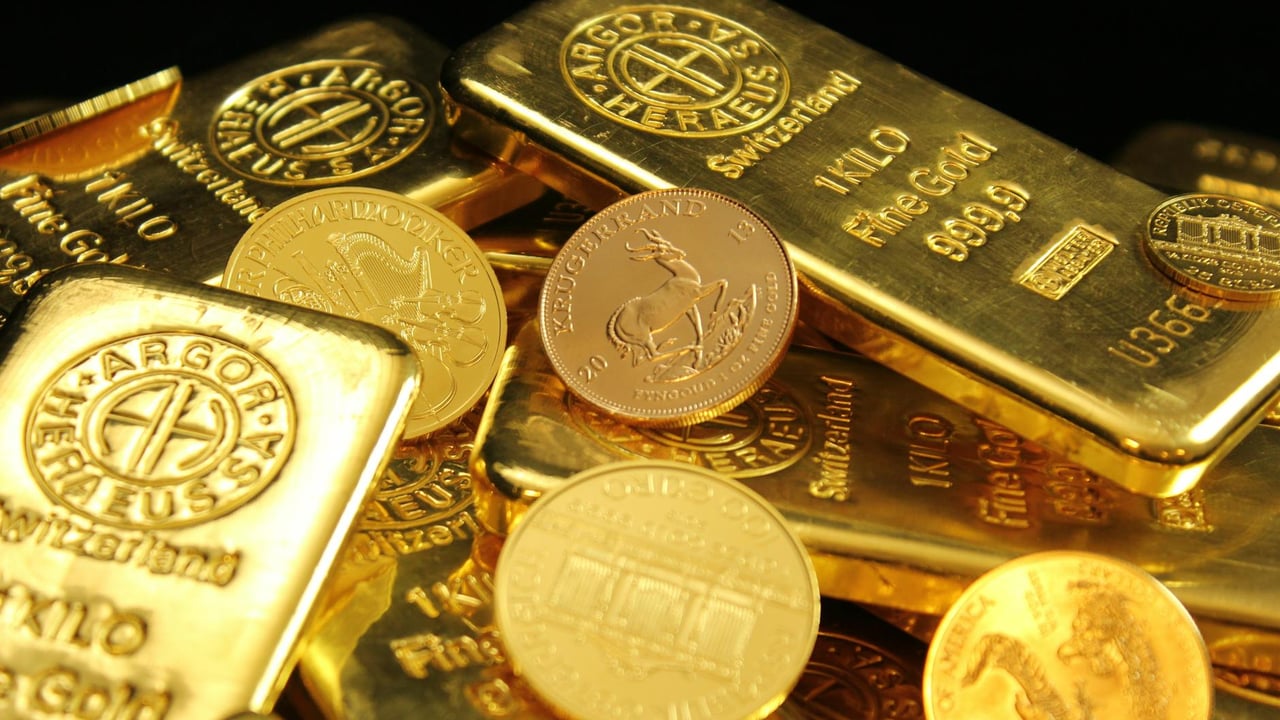

The global financial landscape is witnessing a historic realignment as gold prices challenge the $4,800 per ounce threshold, even as a temporary de-escalation in the Middle East provides a brief respite for energy markets. A two-week pause in hostilities between the United States and Iran, coupled with the reopening of the Strait of Hormuz, has sent oil prices tumbling by over 13%. Yet, gold’s refusal to retreat alongside energy costs signals a profound shift in the metal's role from a mere inflation hedge to a critical piece of 'geopolitical insurance' for sovereign states.
This structural pivot is underscored by a landmark shift in global reserves. For the first time since 1996, the value of gold held by central banks has eclipsed the value of their U.S. Treasury holdings. Market analysts suggest this is not driven by the retail speculation or the 'inflation fear' of previous decades, but by a strategic move by sovereign institutions to insulate themselves from the weaponization of the dollar. As trust in traditional monetary institutions wavers, gold has become the preferred asset for nations seeking holdings that cannot be easily seized or frozen by foreign powers.
While gold ascends, the underlying strength of the U.S. economy appears increasingly narrow. Wealth concentration has reached a point where the top 10% of American households now account for nearly half of all national consumption, a significant jump from one-third just thirty years ago. This consumption is heavily reliant on the 'wealth effect' generated by a booming stock market. With household equity wealth hovering around $70 trillion—representing a share of GDP nearly 100 percentage points higher than during the 2000 dot-com bubble—the economy is uniquely vulnerable to a market correction.
Strategic advisors warn that the 'cushion' that protected the American consumer in recent years has largely evaporated. Pandemic-era excess savings are gone, and delinquency rates on credit cards and auto loans are climbing. If the tech-heavy stock market were to experience a significant downturn, the resulting 'negative wealth effect' could slash consumption by enough to trigger a recession. In this context, gold's record highs are less a reflection of current inflation and more a hedge against a systemic fragility where the traditional levers of economic stability no longer provide the security they once did.