
# Monetary Policy
Latest news and articles about Monetary Policy
Total: 14 articles found

China M2 Supply Expands 7.5% in August as Credit Demand Moderates
Central bank data shows social financing growth slowed to 7.2% as slower bank lending offset strength in bond issuance.

China Expands Fiscal and Financial Coordination to Spur Domestic Demand
Authorities widen interest discount subsidies to working capital and credit card installments while quadrupling participating lenders.

China's Central Bank to Conduct Overnight Reverse Repos Through Sept. 17
The People's Bank of China sets a daily cap of 600 billion yuan using fixed-rate volume tenders to manage short-term liquidity.

China to Issue 300 Billion Yuan in Special Sovereign Debt for State Financial Institutions
Capital injections will bolster core tier-1 reserves across eight major state banks and insurers, according to official reports.

China Signals Calibrated Monetary Policy to Support Growth and Structural Reform
Central authorities stress counter-cyclical tools, targeted lending, and structural reforms to balance economic stability with external uncertainties.

China's Central Bank Pledges Counter-Cyclical Policy Support
The People's Bank of China plans incremental policy tools and closer fiscal coordination as targeted lending supports private firms.

PBOC to Conduct 1 Trillion Yuan Outright Reverse Repo Operation
The central bank rolls over six-month liquidity to maintain stable cash conditions across China's banking sector.

PBOC Q2 Report Focuses on Imported Inflation and Structural Credit Allocation
China's central bank maintains a moderately loose stance while directing targeted lending toward technology, green growth, and private small businesses.

PBOC to Conduct Overnight Reverse Repos Capped at 600 Billion Yuan Daily
The central bank announces mid-August operations to fine-tune short-term liquidity as government bond issuances accelerate.

China's Central Bank Outlines 15th Five-Year Reform Plan and Nine Action Plans
The People's Bank of China releases its strategic blueprint for monetary policy, macroprudential governance, financial opening, and technological infrastructure through 2030.

PBOC Expands Monetary Toolkit with Overnight Reverse Repos
The People's Bank of China introduces overnight liquidity operations to refine short-term liquidity management and stabilize interbank cash flows.
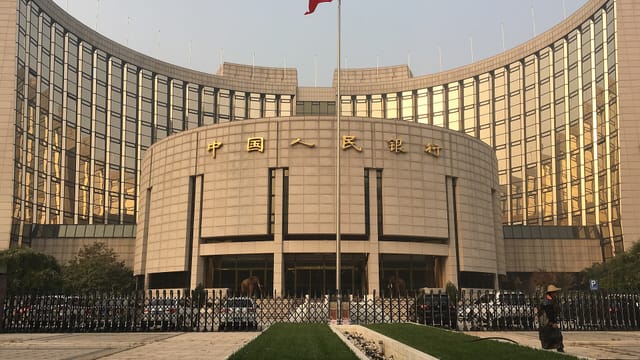
PBOC to Inject Net Liquidity via 500 Billion Yuan Repo Operation
China's central bank expands three-month liquidity support with a net 200 billion yuan injection to maintain stable bank reserves.