
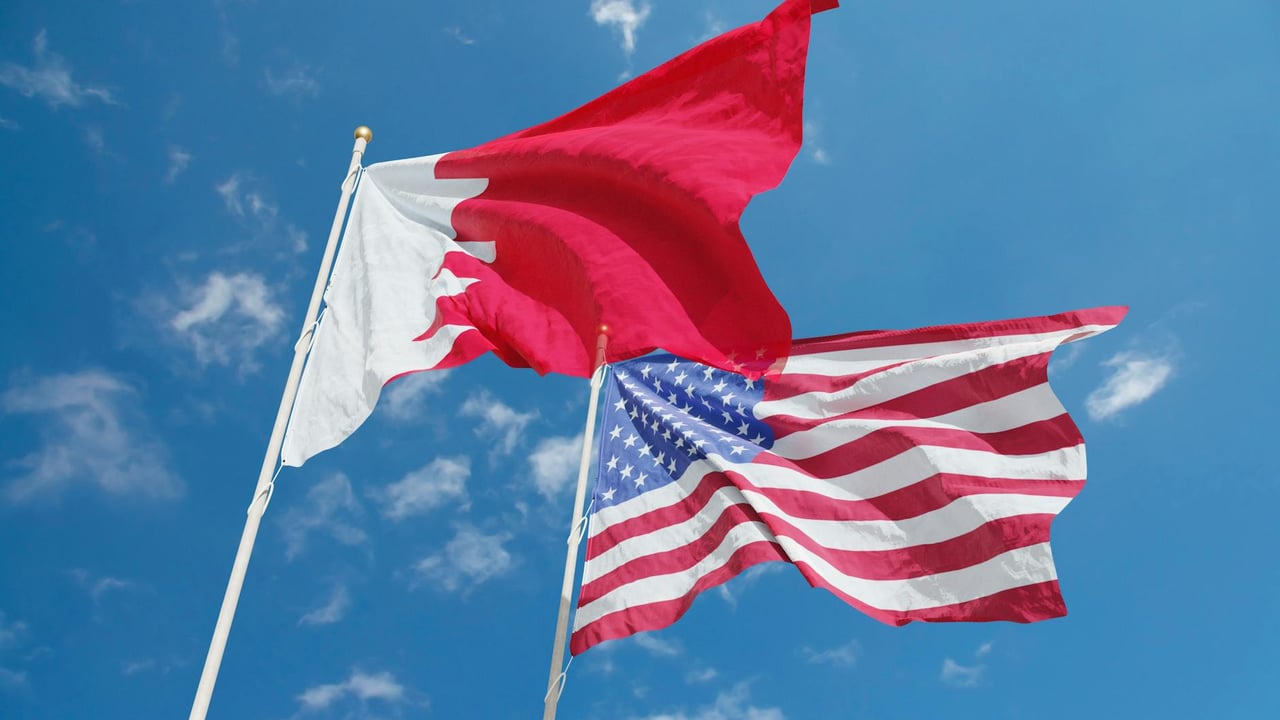

The world breathed a collective sigh of relief as the 'NJ Earth' and the 'Daytona' became the first vessels to traverse the Strait of Hormuz following a sudden US-Iran ceasefire. Just twenty-four hours earlier, the rhetoric had reached an apocalyptic fever pitch, with President Trump threatening to blast Iran back to the 'Stone Age' and Iranian citizens forming human shields around critical infrastructure. This abrupt pivot from the brink of 'civilizational collapse' to a two-week negotiating window in Islamabad marks a return to Trump’s preferred theater of transactional diplomacy.
The ceasefire has already sent ripples through global markets, with crude oil futures plunging below $90 per barrel and equities staging a massive relief rally. However, the optimism is tempered by the emergence of 'dual-track' negotiation terms circulating in the media. While a maximalist list includes demands for US reparations and the acceptance of Iranian uranium enrichment, a more focused nine-point plan suggests the real battleground will be the administrative control of the world’s most vital energy artery.
At the heart of the upcoming talks is Iran’s audacious proposal to transform the Strait of Hormuz into a literal tollbooth. Under this framework, ships would submit background checks to entities linked with the Islamic Revolutionary Guard Corps and pay fees based on their national alignment. For a VLCC carrying two million barrels of crude, the 'entry fee' could reach $2 million, potentially generating $100 billion annually for a cash-strapped Tehran. This would effectively turn a global commons into a revenue stream representing nearly a quarter of Iran's GDP.
Surprisingly, the Trump administration has not dismissed the toll concept outright, with the President suggesting a 'joint venture' approach to secure the passage. By framing the Strait as a commercial asset rather than just a military flashpoint, Trump seeks a face-saving exit that he can market as a 'profitable' deal. This monetization of maritime security represents a radical departure from traditional freedom-of-navigation principles, yet it provides the necessary 'win' for both sides to de-escalate.
Pakistan has emerged as the indispensable 'lubricant' in this diplomatic machinery, successfully supplanting traditional mediators like Oman and Qatar. Leveraging its status as a nuclear-armed neutral power with deep ties to both Beijing and Washington, Islamabad has provided the physical and political space for these high-stakes talks. This role mirrors Pakistan’s historical role in the 1971 opening between Nixon and China, suggesting a broader realignment of regional influence toward 'middle powers' that can bridge the gap between the West and the Global South.
Despite the diplomatic breakthrough, the shadows of the 'shadow war' remain. Suspiciously timed trades in the oil and stock markets occurring just minutes before the official announcement suggest that insiders are profiting handsomely from the volatility. Furthermore, the absence of a clear agreement regarding Israel’s operations in Lebanon threatens to derail the truce before it can be formalized. Both regimes are exhausted—Tehran by economic strangulation and Washington by the $28 billion price tag of a 39-day campaign—but whether this exhaustion leads to a lasting peace or a temporary reset remains the ultimate suspense.