Brinkmanship in the Strait: Trump and Tehran Clash Over the World’s Energy Chokepoint

Tensions escalate as Iran asserts new control over the Strait of Hormuz, drawing sharp warnings from Donald Trump. Meanwhile, China pursues a tactical stabilization of trade relations with the West while tightening internal regulations on its critical battery and tech sectors.

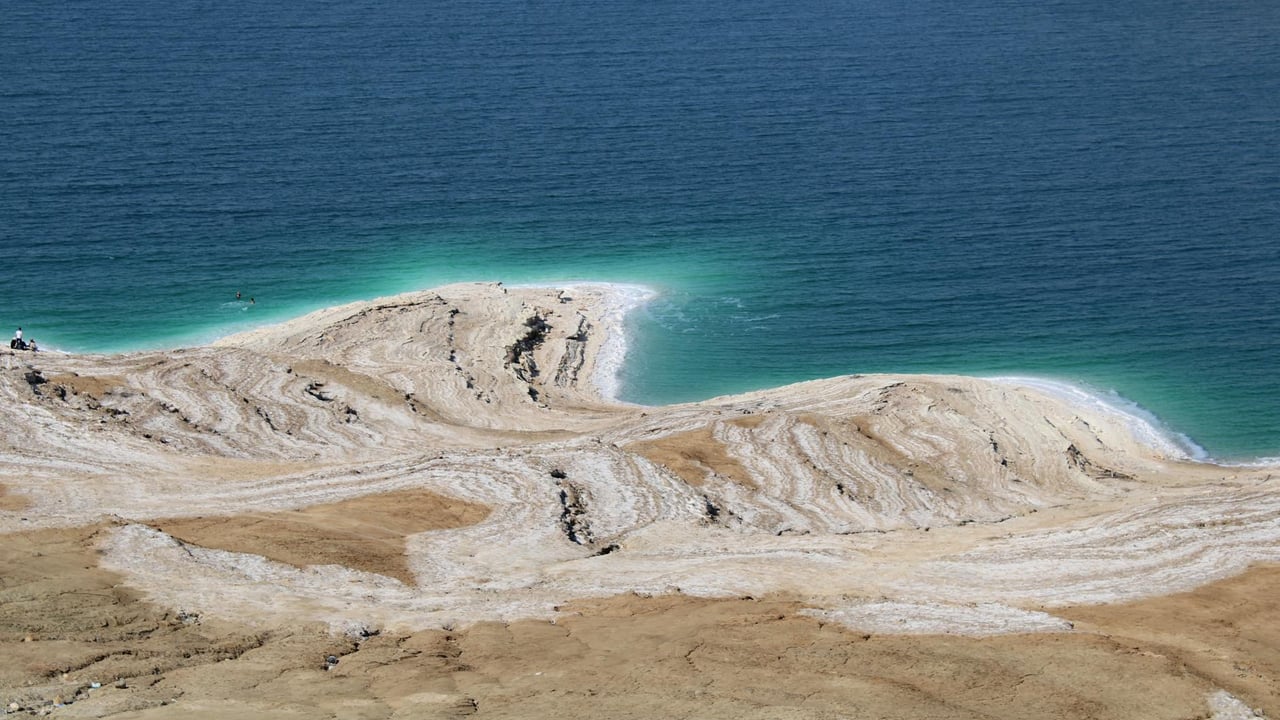
A striking aerial view of the Dead Sea's salt formations and blue waters.

Key Takeaways

  • 1Iran has announced a 'new stage' of management for the Strait of Hormuz, potentially threatening free maritime transit.
  • 2Donald Trump has warned Tehran against imposing transit fees and has pressured Israel to scale back operations in Lebanon to facilitate a diplomatic deal.
  • 3China has extended the pause on its rare earth export controls until November 2026, signaling a temporary de-escalation in trade friction.
  • 4Beijing is cracking down on 'internal friction' and price wars within its strategic battery and energy storage industries.
  • 5Russia and Ukraine have both agreed to a temporary 32-hour ceasefire in observance of the Orthodox Easter.

Editor's
Desk

Strategic Analysis

The prospect of Iran monetizing or restricting the Strait of Hormuz represents a fundamental challenge to the post-war maritime order. By framing the waterway's management as a 'new stage,' Tehran is leveraging its geographical position to counter Western economic pressure, effectively weaponizing the world's most critical energy artery. For the Trump administration, the challenge lies in balancing support for Israel with the urgent need to prevent an energy price shock that could derail domestic economic growth. Beijing, ever the pragmatist, is using this window to project an image of a 'stabilizing force.' By pausing rare earth restrictions and welcoming Wall Street elites, China is positioning itself as a reliable alternative to the perceived unpredictability of U.S. and Middle Eastern maneuvers, even as it quietly consolidates state control over its own industrial 'champions' to weather any coming global storm.

China Daily Brief Editorial
Strategic Insight
China Daily Brief

The global geopolitical landscape has entered a volatile new phase as the Strait of Hormuz becomes the focal point of a high-stakes standoff between Washington and Tehran. Following a 40-day period of mourning for its former leadership, Iran’s high command has signaled a 'new stage' of management for the waterway, implying that the days of unfettered, free transit may be coming to an end. This shift has prompted immediate and sharp warnings from Donald Trump, who cautioned Iran against attempting to levy transit fees on global oil tankers.

Simultaneously, the Trump administration appears to be pursuing a dual-track strategy of pressure and tactical de-escalation. In a recent move, the White House reportedly requested that Israeli Prime Minister Benjamin Netanyahu 'lower the intensity' of military operations in Lebanon. This diplomatic pivot is designed to create breathing room for a broader ceasefire agreement with Tehran, demonstrating a transactional approach to Middle Eastern stability where military restraint is traded for the security of global energy flows.

While the Middle East teeters on the edge of a maritime crisis, Beijing is recalibrating its own strategic leverage. China’s Ministry of Commerce recently confirmed a pause in its rare earth export controls until late 2026, a move seen by analysts as a tactical olive branch to the United States. This detente is further evidenced by high-level meetings between senior Chinese officials and American financial titans like Ray Dalio, signaling Beijing’s desire to maintain a stable environment for foreign investment despite the overarching regional chaos.

Domestically, the Chinese government is intensifying its focus on industrial consolidation and 'quality' competition. Regulatory bodies are currently convening with battery and energy storage giants to curb 'irrational competition' and prevent the destructive effects of internal price wars. As global supply chains face potential disruption in the Gulf, China is prioritizing the stability of its own high-tech manufacturing base, ensuring that its dominance in the green energy transition remains unthreatened by internal market volatility.

Share Article

Related Articles

📰
No related articles found