

China’s aerospace sector notched another milestone with the successful launch of a satellite internet technology test satellite from the waters near Yangjiang. This 11th mission of the Jielong-3 rocket underscores Beijing's urgency in building a low-Earth orbit constellation to rival Western systems, reflecting a broader national strategy of technological self-reliance in the 2026 landscape.
While the skies saw progress, ground-level geopolitics remained fraught with tension. Third-round negotiations between the United States and Iran in Islamabad concluded with "serious differences" regarding the Strait of Hormuz. Tehran’s insistence on unilateral control and the right to collect transit fees remains a major sticking point for Washington, posing continued risks to global energy corridors and maritime security.
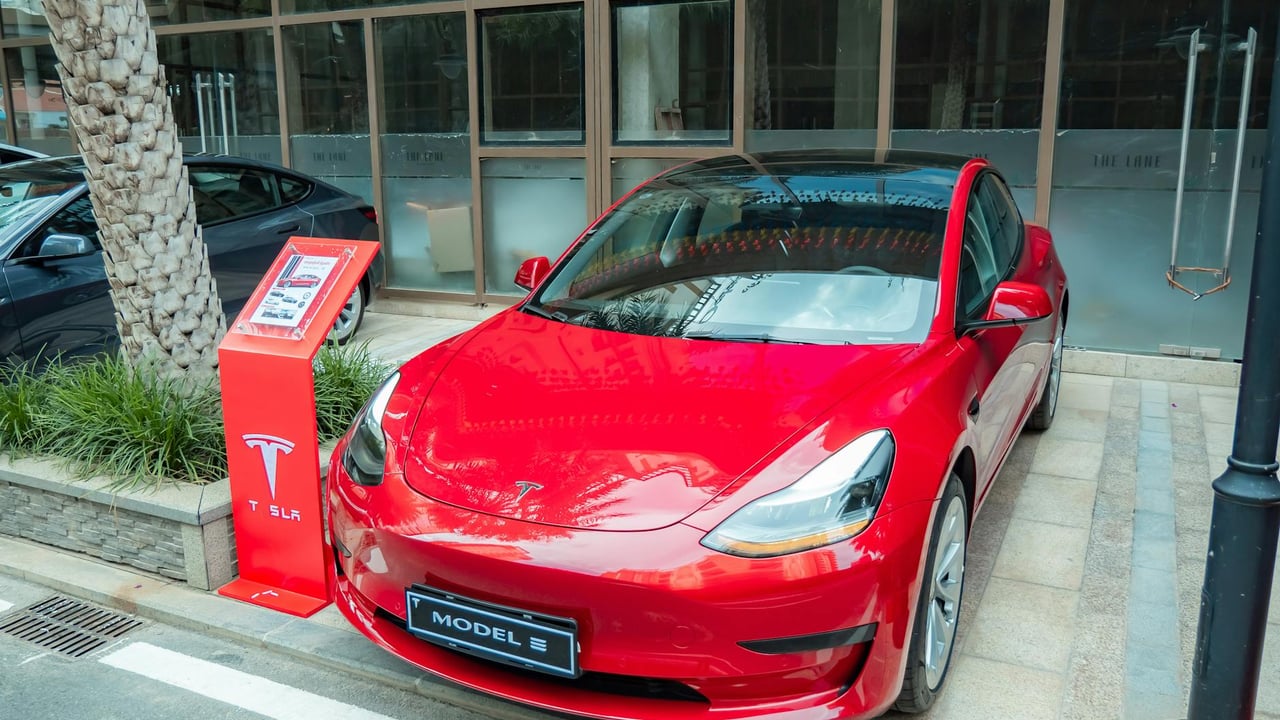
Domestically, the cutthroat electric vehicle market has descended into what many are calling digital trench warfare. Li Auto has initiated legal action and police reports following a surge of orchestrated online attacks it claims were designed to maliciously disparage its new models. The controversy has forced competitors like Dongfeng Nissan to publicly advocate for healthy competition, highlighting the increasingly toxic marketing environment in China’s saturating auto sector.
Beyond industry, China's social and legal landscape is witnessing significant shifts. The Supreme People's Court reported a notable decrease in first-instance criminal cases for the first quarter of 2026, though financial disputes involving bank cards and loan contracts have surged. Meanwhile, Beijing’s secondary housing market hit a 15-month transaction high, suggesting a tentative return of consumer confidence in the capital's property sector despite broader economic headwinds.