
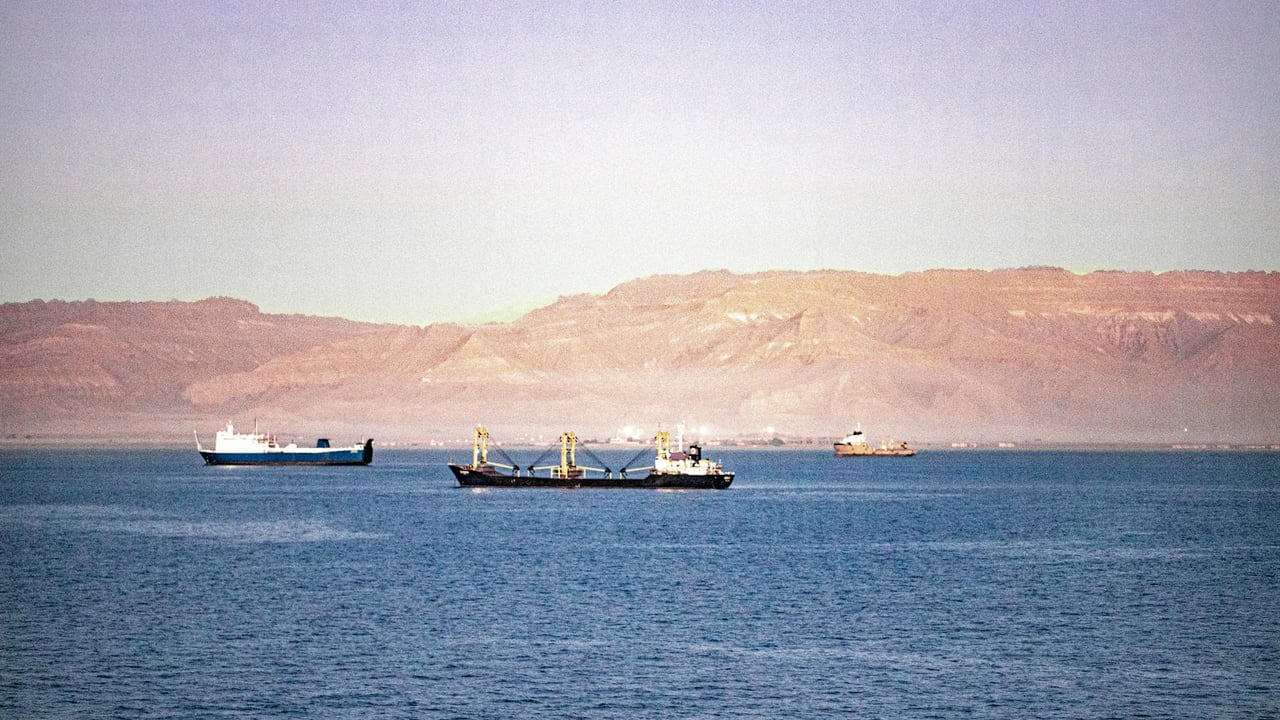

Donald Trump’s recent assertion that he would orchestrate a blockade of the Strait of Hormuz has sent a shudder through global energy markets and diplomatic circles. By targeting one of the world’s most critical maritime chokepoints, the former president has signaled a return to a high-stakes brand of foreign policy that prioritizes maximum leverage over traditional maritime stability. The threat to sever this vital artery, through which nearly a fifth of the world’s oil consumption passes, represents a significant escalation in geopolitical rhetoric.
In response to these developments, China’s Ministry of Foreign Affairs has issued a measured call for all involved parties to maintain 'calm and restraint.' While the language is characteristically diplomatic, the brevity of the response masks a deep-seated anxiety within the halls of power in Beijing. For China, the Strait of Hormuz is not merely a geographic coordinate but a lifeline that sustains its massive industrial machine and domestic economy.
As the world’s largest importer of crude oil, China remains uniquely vulnerable to disruptions in the Persian Gulf. A blockade would not only send global energy prices into a tailspin but would also directly challenge Beijing’s 'Malacca Dilemma,' the strategic vulnerability of its energy supply routes to naval interdiction. The prospect of a U.S.-led closure of the strait forces Chinese leadership to reconsider the pace of its strategic petroleum reserve accumulation and the acceleration of inland energy corridors.
The rhetoric also places Beijing in a difficult diplomatic position between its strategic partnership with Iran and its desire to avoid a direct naval confrontation with the United States. While Washington may view the blockade as a tool to squeeze regional adversaries or extract trade concessions, Beijing views it as a fundamental threat to the principles of 'freedom of navigation' that have underpinned global trade for decades. This tension suggests that the Strait of Hormuz may become the next major theater of the U.S.-China competition for global influence.