
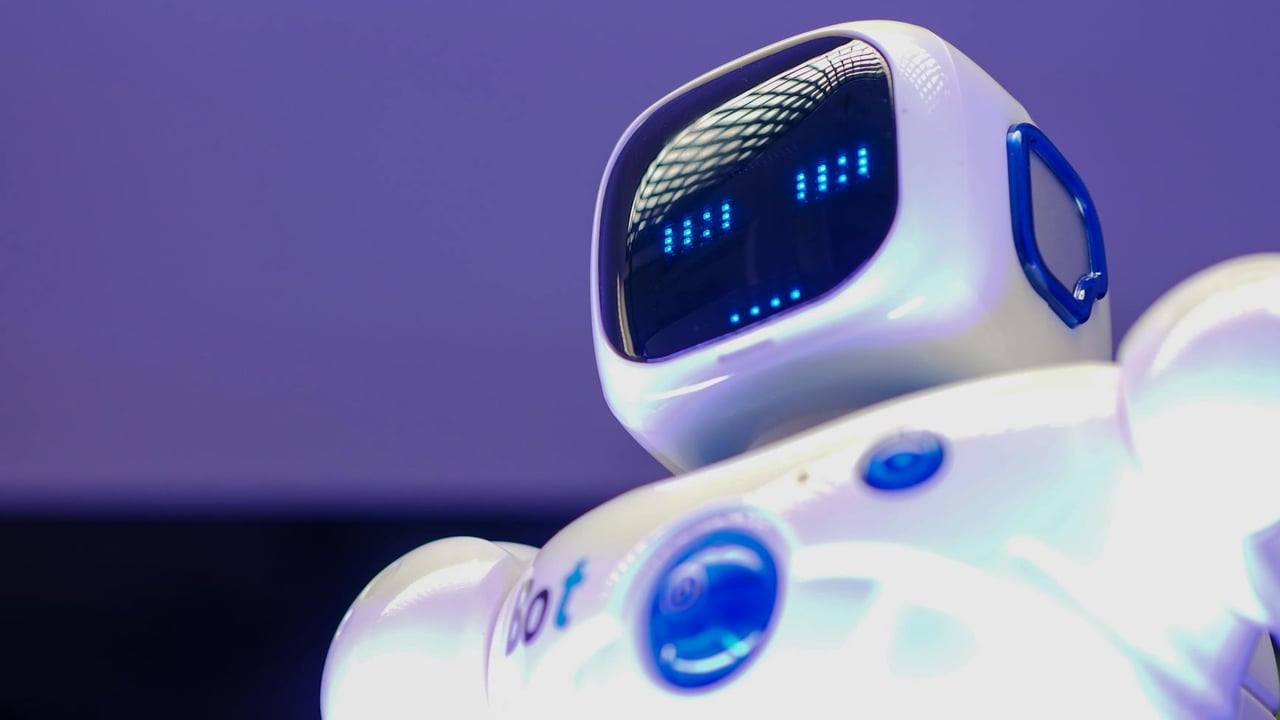

In the cobblestone streets of Warsaw, a new breed of diplomat is making its presence felt, though it lacks a traditional passport. Chinese-manufactured quadruped robots, once confined to factory floors and tech expos, have been spotted performing an unusual civic duty: managing the city’s burgeoning wild boar population. These 'robot dogs' are being deployed to humanely nudge stray wildlife away from residential areas, showcasing a practical application of autonomous mobility that bridges the gap between high-tech surveillance and urban management.
Beyond the utility of public safety, Chinese robotics are also penetrating the cultural sphere of the Polish capital. On local stages, humanoid units are increasingly being programmed to deliver stand-up comedy routines, navigating the linguistic and cultural minefields of Polish humor. This transition from 'dumb' hardware to 'charismatic' software highlights a significant leap in localized artificial intelligence, where Chinese firms are no longer just selling machines, but the sophisticated algorithms that allow them to interact naturally with diverse populations.
Poland has emerged as a critical laboratory for these technologies due to its openness to digital infrastructure and its strategic position as a gateway to the broader European Union market. While geopolitical tensions often cloud the narrative surrounding Chinese telecommunications and electric vehicles, the service robot sector has found a quieter, more utilitarian path to acceptance. By addressing specific local grievances—such as urban wildlife nuisances—these firms are building a brand reputation based on functionality and social integration rather than mere cost-efficiency.
The proliferation of these robots also signals a shift in China’s export strategy, moving away from low-end manufacturing toward high-value, AI-integrated solutions. As domestic markets in China become increasingly saturated, the drive to prove technical superiority in foreign urban environments has become a priority. The sight of a robot telling a joke in Warsaw or patrolling a park is more than a novelty; it is a calculated demonstration of 'soft power' through technological ubiquity.