
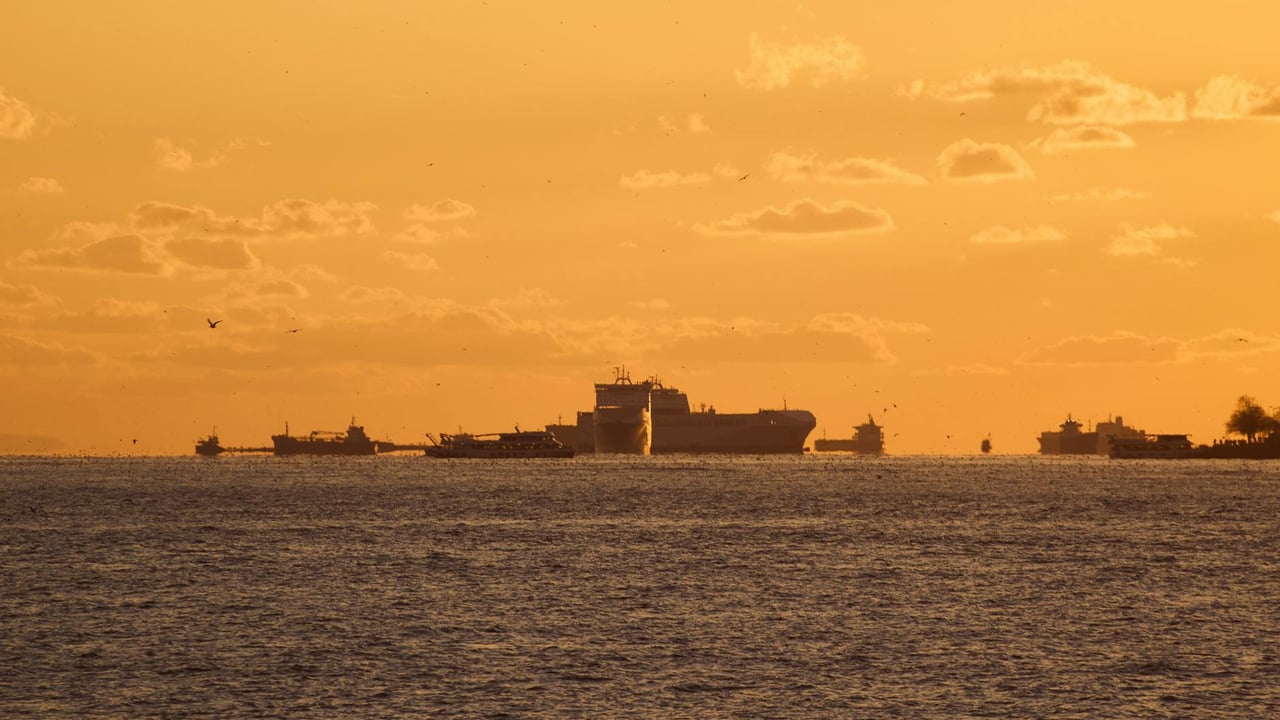

The Strait of Hormuz, the world’s most critical maritime chokepoint, remains in a state of high-tension equilibrium as the United States military intensifies its blockade of Iranian ports. While over 20 commercial vessels successfully navigated the waterway in the last 24 hours, the flow of traffic remains significantly below historical norms. This partial resumption of transit suggests a fragile opening, yet it occurs under the watchful eyes of a massive American naval and aerial presence designed to isolate Tehran.
U.S. Central Command has deployed a formidable force of over 10,000 personnel, including Navy sailors, Marines, and Air Force units, to enforce this maritime siege. Supported by more than a dozen warships and dozens of combat aircraft, the operation marks one of the most aggressive deployments of American power in the region in recent years. The mission is explicit: to prevent any vessel from entering or exiting Iranian harbors, effectively severing the Islamic Republic’s primary economic arteries.
In the initial 24 hours of the operation, the blockade appeared remarkably airtight. U.S. officials reported that no commercial vessels successfully challenged the exclusion zone, with six merchant ships reportedly complying with military orders to turn back toward ports in the Gulf of Oman. This level of compliance underscores the tactical dominance currently exercised by Washington, as shipowners and insurers weigh the extreme risks of defying U.S. military directives.
The strategic implications of this blockade extend far beyond regional maritime security. By targeting Iran’s ability to export oil and receive imports via the sea, the United States is applying maximum pressure that skirts the line between economic warfare and kinetic conflict. The global energy market remains on edge, watching to see if Tehran will attempt a military breakout or if the blockade will force a diplomatic capitulation in a theater where even a minor miscalculation can trigger a global crisis.