
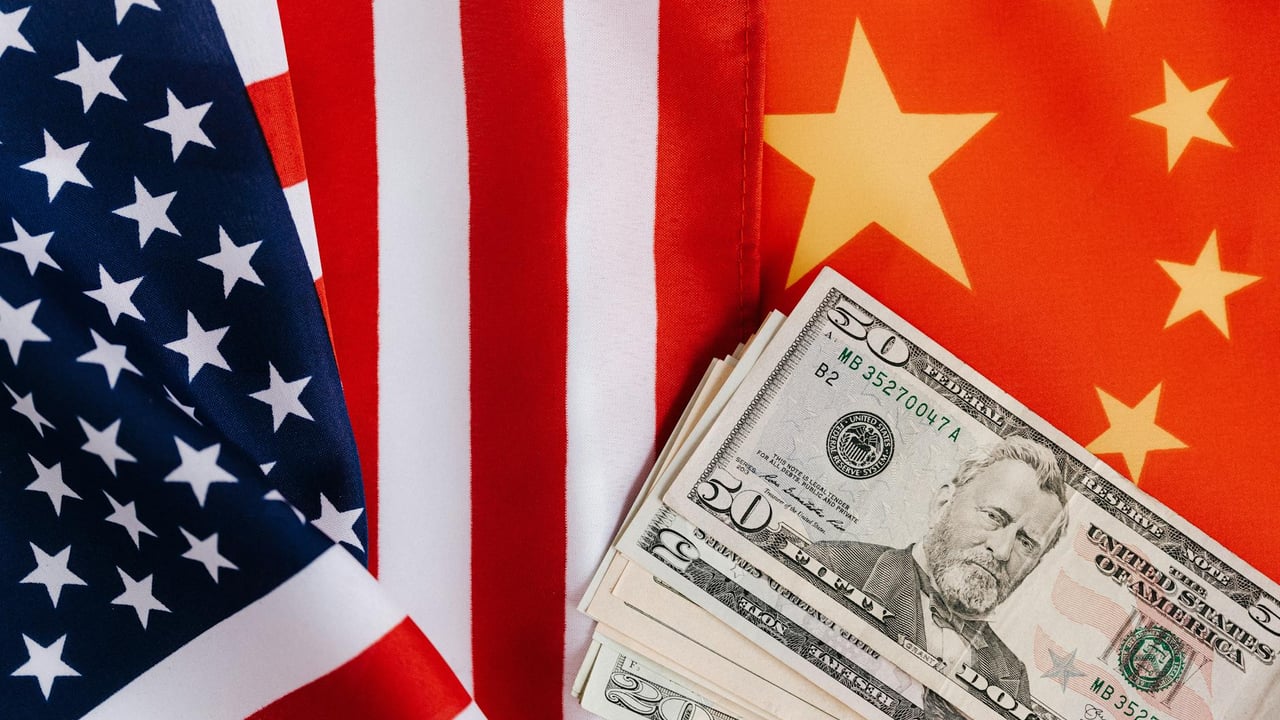

The Renminbi has surged to its highest level against the US dollar in over three years, breaching the 6.81 threshold as a convergence of domestic resilience and global shifts reshapes currency markets. This rally reflects more than just temporary market volatility; it signals a fundamental reassessment of the Chinese currency's role in the global financial architecture. Both onshore and offshore rates hit heights not seen since early 2023, while the central bank's midpoint fixings reached a similar year-long peak.
A weakening dollar index, driven by expectations that the Federal Reserve will hold rates steady or begin a pivot, has provided the necessary tailwind for the offshore and onshore yuan. However, the core momentum originates from Beijing’s surprisingly robust trade data, with first-quarter exports growing by 14.7% and imports surging over 22%. These fundamental indicators have convinced market participants that the Chinese economic recovery is maintaining its stride despite global headwinds.
Geopolitical factors are also playing a decisive role as tensions in the Middle East show signs of relative cooling, reducing the safe-haven demand for the greenback. This environment has encouraged global capital to seek higher-yielding opportunities in emerging markets, where Chinese assets are increasingly viewed as a "safe harbor." The country’s industrial completeness and proactive policy interventions have further solidified the currency's floor against external shocks.
Perhaps most significant is the strategic shift in Beijing’s top-level design for the upcoming "15th Five-Year Plan," which has dropped the "cautious" prefix in favor of actively "promoting" Renminbi internationalization. This policy pivot is already yielding results in the energy sector, where the yuan has surpassed the Euro to become the second most used currency for Middle East oil settlements. This milestone marks a critical step in the development of the "Petroyuan" as a viable alternative to the dollar-dominated energy trade.
Infrastructure upgrades have kept pace with these ambitions, as the Cross-Border Interbank Payment System (CIPS) reported record daily transaction volumes exceeding 9200 billion yuan in March. The growth of the "Panda bond" and "Dim Sum bond" markets further underscores a deepening of the offshore yuan ecosystem. These instruments provide international investors with diverse avenues for yuan-denominated financing while facilitating capital flow into China's domestic markets.
Looking ahead, institutional forecasts from major banks like Deutsche Bank and UBS suggest the currency could stabilize near the 6.7 to 6.8 range by year-end. As the Renminbi strengthens, the positive correlation with foreign capital inflows is expected to provide a significant valuation boost to China’s onshore equity markets. Analysts anticipate that this currency momentum could drive over 100 billion yuan in incremental funding into A-shares as global portfolios rebalance.