

Amazon has dramatically upended the satellite communications landscape with a definitive agreement to acquire Globalstar for approximately $11.57 billion. The all-cash and stock deal, priced at $90 per share, marks a critical pivot for the retail and cloud giant as it transitions its satellite internet ambitions from the experimental Project Kuiper into a commercially focused entity rebranded as 'Leo.' This acquisition provides Amazon with immediate access to Globalstar’s tested satellite constellation, ground infrastructure, and, perhaps most importantly, its coveted global spectrum licenses.
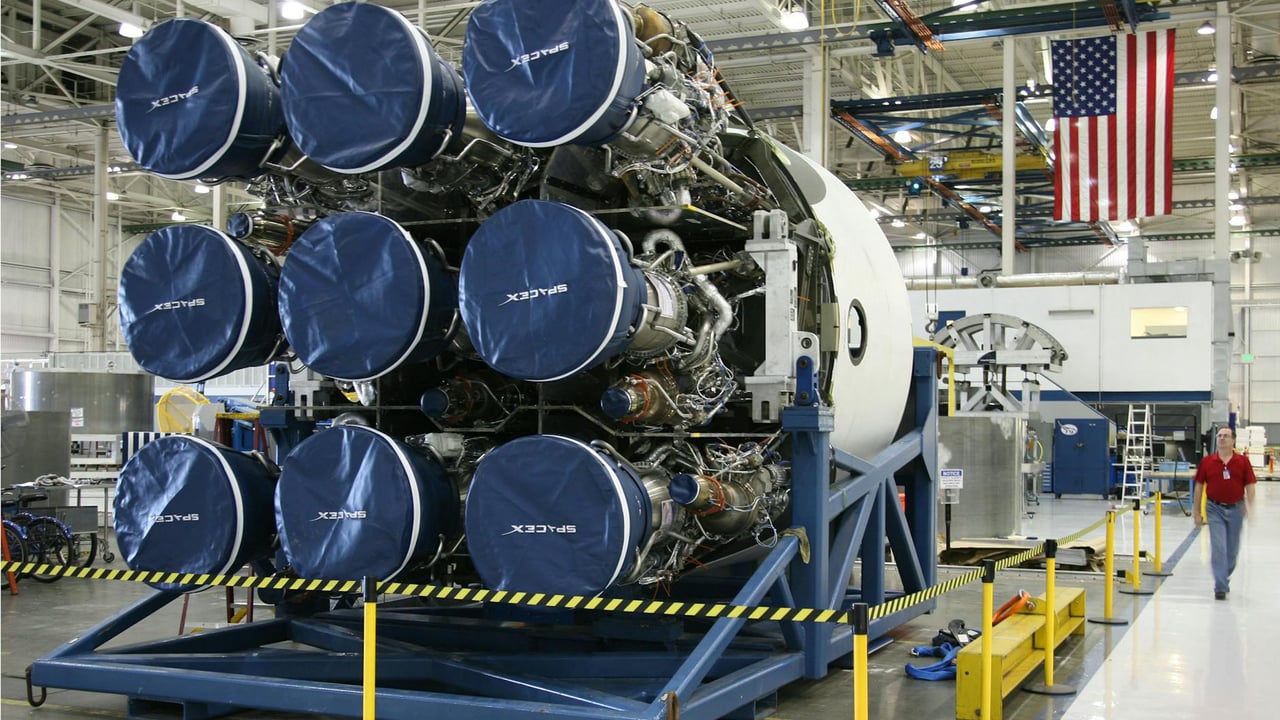
The strategic rationale centers on the burgeoning 'Direct-to-Device' (D2D) market, which allows standard smartphones to connect directly to satellites without the need for specialized hardware. By integrating Globalstar’s assets, Amazon aims to accelerate its network deployment to 2028, positioning itself as the primary counterweight to Elon Musk’s SpaceX. SpaceX’s Starlink service currently maintains a commanding lead with over 10,000 satellites in orbit and more than 9 million users, but Amazon’s entry signals the beginning of a high-stakes duopoly in low-Earth orbit connectivity.
A significant subplot of the deal is Amazon’s deepening relationship with Apple. Globalstar has long been the backbone of Apple’s 'Emergency SOS via Satellite' feature, and Amazon confirmed that it will continue to provide the underlying infrastructure for existing and future iPhone and Apple Watch models. This collaboration creates a formidable tech alliance, combining Amazon’s logistics and cloud prowess with Apple’s hardware ecosystem, effectively boxing out smaller competitors from the terrestrial-to-satellite integration space.
Regulatory hurdles appear surmountable as the Federal Communications Commission (FCC) has signaled a receptive stance toward the merger. FCC Chairman Brendan Carr indicated that the agency is 'highly open' to the transaction, viewing it as a necessary step to ensure American leadership in next-generation satellite technology. As the US government pushes for a more robust space economy, the FCC’s 'full speed ahead' policy suggests that Amazon will receive the necessary approvals to deploy its expanded fleet of 4,500 additional satellites, paving the way for a more competitive orbital marketplace.