The Patchwork Fortress: Apple’s Global Urgency and the Growing Stakes of iPhone Security

Apple has issued a critical advisory for global iPhone users to update their operating systems immediately, highlighting the intensifying nature of mobile security threats. This proactive communication serves to protect users from sophisticated exploits while reinforcing Apple's brand reputation for safety in a competitive global market.

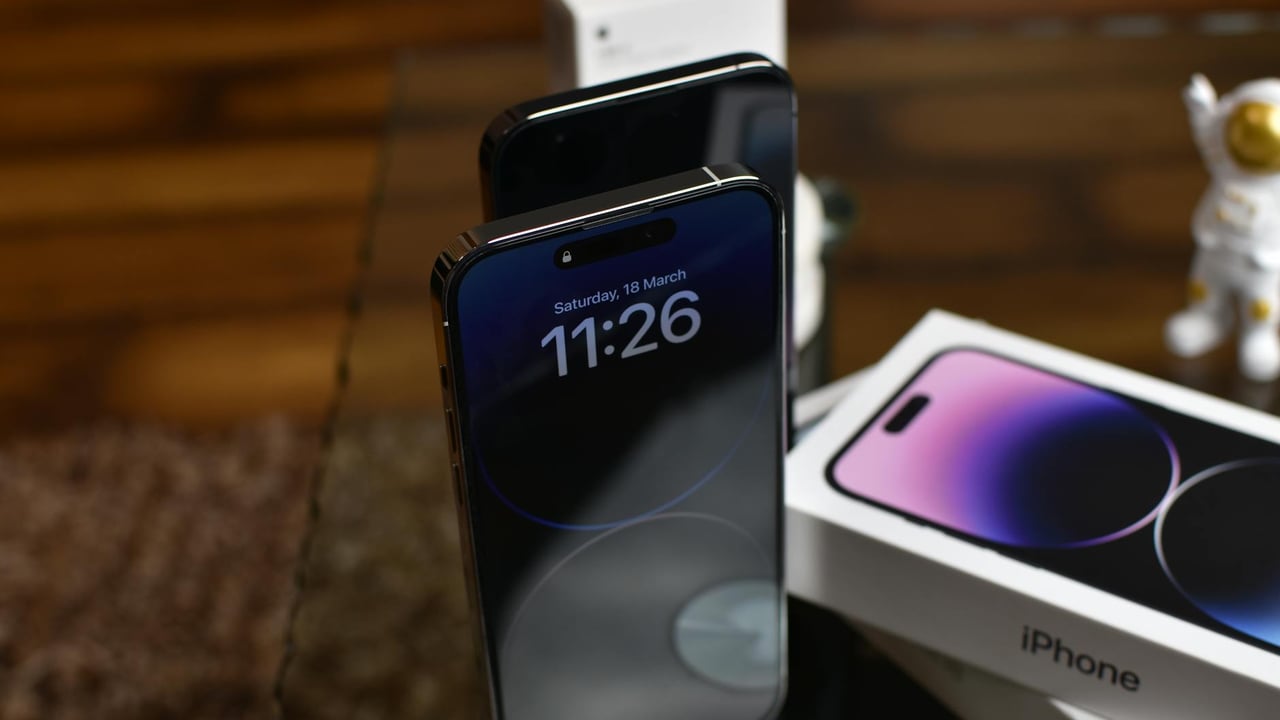
Stylish setup of iPhone 14 Pro showcasing dynamic island feature with accessories.

Key Takeaways

  • 1Apple has signaled a high-priority update requirement for current iPhone users to address emerging security vulnerabilities.
  • 2The directive emphasizes the strategic importance of 'closed' ecosystems in providing rapid, unified responses to cyber threats.
  • 3Maintaining software integrity is a critical differentiator for Apple in the Chinese market against high-spec domestic hardware competitors.
  • 4The updates are likely foundational for upcoming AI features and deeper system-level security enhancements.

Editor's
Desk

Strategic Analysis

Apple's 'update now' strategy represents the commodification of trust in an era of digital volatility. By framing security as an urgent, collective responsibility, Apple effectively leverages its control over the hardware-software stack to minimize the window of opportunity for hackers. In the broader geopolitical and economic context, especially within China, this technical agility is Apple’s most potent weapon. As domestic manufacturers close the gap in camera technology and industrial design, Apple’s ability to offer a perceived 'safe haven' through rapid-fire software support remains its most durable competitive advantage. The long-term implication is a move toward 'invisible security,' where the OS is constantly self-healing, further locking users into the ecosystem through a sense of unparalleled digital safety.

China Daily Brief Editorial
Strategic Insight
China Daily Brief

Apple’s latest directive urging iPhone users to update their devices immediately reflects more than a routine software cycle; it underscores a shifting front in the global cybersecurity war. As digital threats become increasingly sophisticated, the tech giant is moving from a posture of seasonal updates to one of rapid, high-stakes deployments aimed at closing zero-day vulnerabilities before they can be exploited at scale.

In the context of the highly competitive Chinese market, these security alerts serve a dual purpose. While the immediate goal is technical protection, the underlying message is a reinforcement of the Apple ecosystem’s integrity. For a brand currently navigating a complex landscape of surging domestic rivals like Huawei and Xiaomi, software reliability remains a cornerstone of its premium value proposition.

Reports surrounding the iOS 26.5 iteration suggest that Apple is tackling deeper architectural vulnerabilities while simultaneously preparing its hardware for more advanced AI integrations. These updates often include critical patches for kernels and web engines—components that, if left unaddressed, could allow malicious actors to gain unauthorized access to sensitive user data, a risk that Apple cannot afford as it pivots more toward services and financial technology.

Furthermore, the speed at which users adopt these updates has become a vital metric for Apple’s operational success. Unlike the fragmented Android ecosystem, Apple’s ability to push a single patch to hundreds of millions of devices simultaneously provides it with a 'herd immunity' effect. This systemic resilience is increasingly marketed as a luxury feature, distinguishing the iPhone from competitors who may struggle with delayed carrier-led update rollouts.

Share Article

Related Articles

📰
No related articles found