
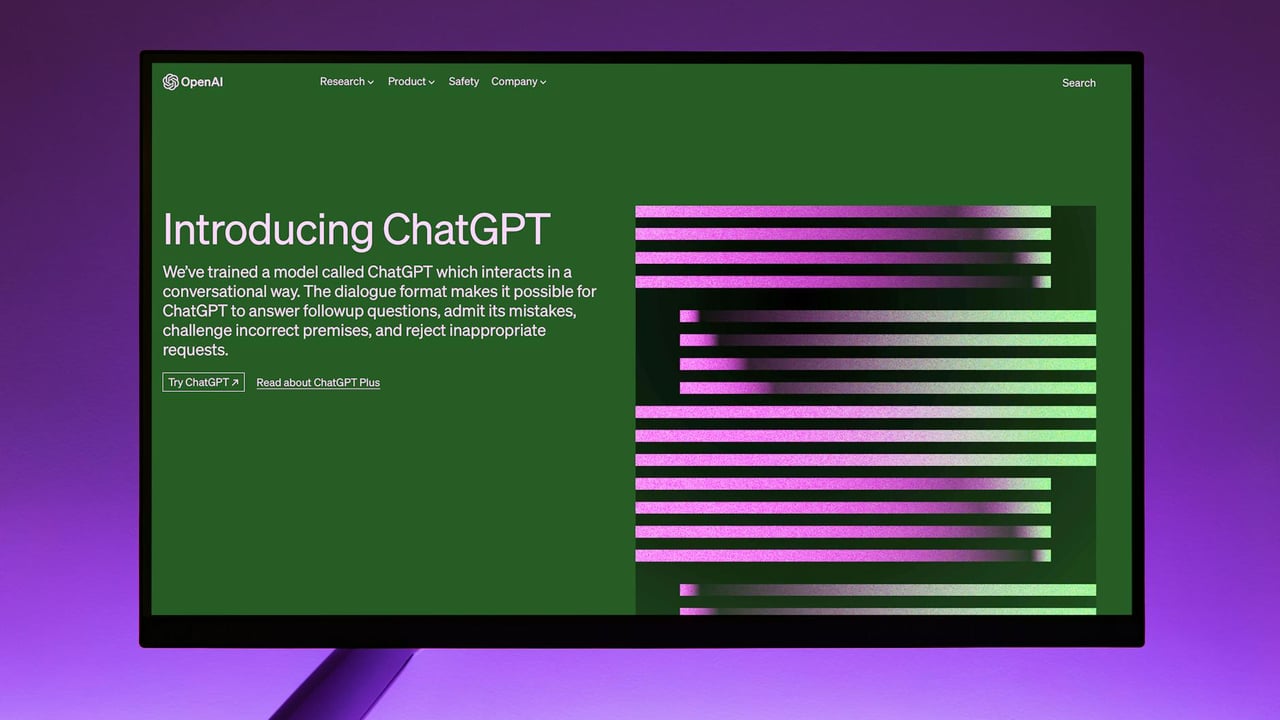

OpenAI is reportedly preparing to overhaul its monetization strategy by introducing a new pricing framework centered on advertising. This shift signals a fundamental transition for the San Francisco-based AI giant, moving away from its primary reliance on the $20-per-month ChatGPT Plus subscription model. As the operational costs of maintaining massive compute clusters continue to skyrocket, the company is looking toward the traditional digital advertising playbooks pioneered by Google and Meta.
The proposed ad-pricing scheme is expected to offer a tiered approach, potentially allowing for a lower-cost or even free version of high-end models subsidized by corporate sponsors. This move is designed to capture the vast middle-market of users who are unwilling to pay a premium for AI services but represent a significant demographic for advertisers. By integrating ads directly into the conversational interface, OpenAI aims to leverage high-intent user data that could command premium rates from brands.
However, this transition is fraught with technical and reputational risks. Unlike traditional search engines where ads are clearly demarcated from organic results, the conversational nature of ChatGPT makes the line between a neutral AI response and a sponsored recommendation dangerously thin. If users perceive that the 'intelligence' they are interacting with has been bought by the highest bidder, OpenAI risks eroding the trust that has made it the market leader in generative AI.
Industry analysts view this as an inevitable response to the 'compute crunch' and the maturation of the AI market. With competitors like Google and Perplexity already experimenting with ad-supported search results, OpenAI cannot afford to remain a pure-play subscription service. The challenge will be to maintain a high-quality user experience while satisfying the demands of a new and powerful set of stakeholders: the global advertising industry.