

The U.S. Customs and Border Protection (CBP) is set to launch a massive electronic refund system on April 20, marking a significant judicial correction to the executive branch’s trade ambitions. This unprecedented administrative undertaking follows a landmark Supreme Court ruling that mandates the return of $166 billion in tariffs to over 330,000 importers. The refund marks the end of a contentious legal battle over the limits of presidential authority in global commerce.
The legal saga began shortly after the administration invoked the International Emergency Economic Powers Act (IEEPA) in early 2025 to bypass congressional approval for sweeping global duties. While the White House framed these measures as essential to national security and domestic industry protection, a coalition of states and corporations challenged the constitutional overreach. They argued that the emergency powers were being weaponized to implement permanent trade policy without legislative oversight.
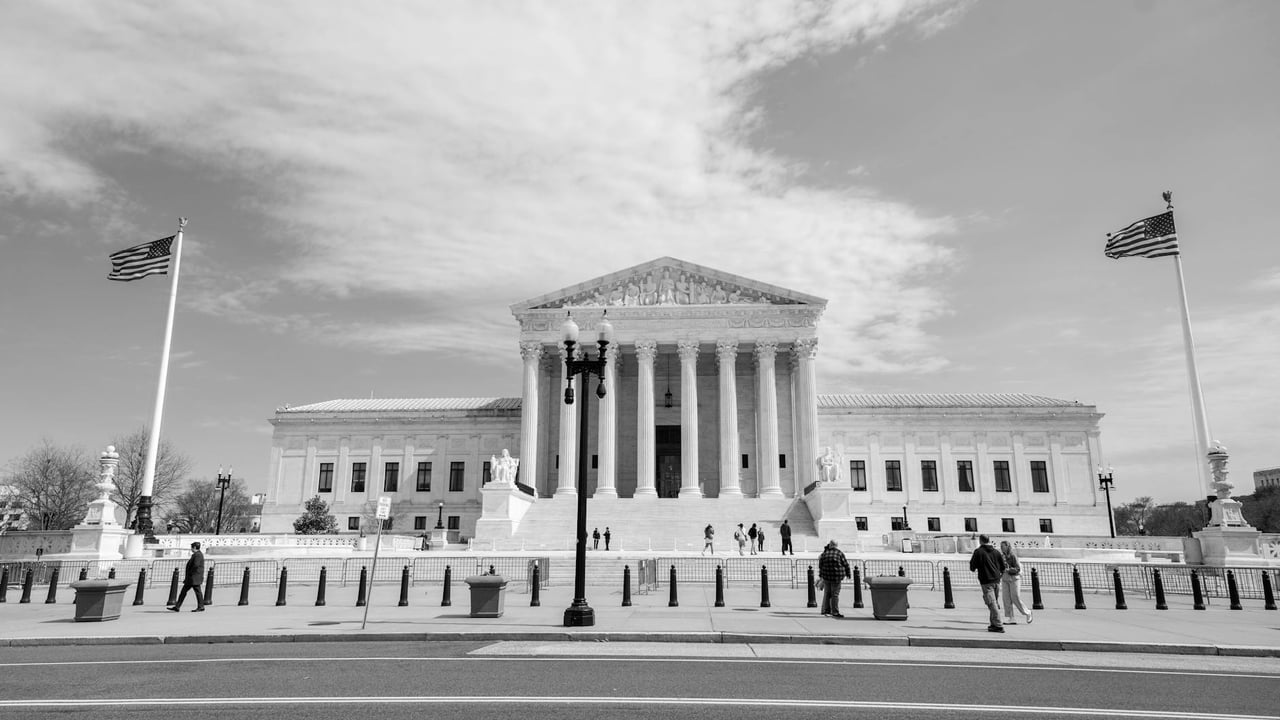
In February 2026, the U.S. Supreme Court delivered a decisive blow, ruling that the administration’s use of IEEPA exceeded the authority granted by Congress. The court’s decision underscored the limits of executive power, effectively labeling the broad-based tariffs as an unlawful exercise of power. This ruling paved the way for a flood of litigation from importers seeking to reclaim billions in paid duties.
To manage the scale of the payouts, the CBP has shifted from a manual, case-by-case processing model to a unified electronic system. By early April, approximately $127 billion had already been earmarked for the first wave of 56,000 importers. These payments, which include accrued interest, signify a rapid effort by the federal government to comply with the court's mandate and mitigate ongoing financial strain on the private sector.