China Spearheads Global Governance for Robots as First Embodied AI International Standard Wins Approval

The initiation of the first international standard for Embodied AI marks a pivotal moment in global robotics governance. China's active role in this process highlights its intent to lead the integration of AI into physical systems, setting the stage for future market dominance.

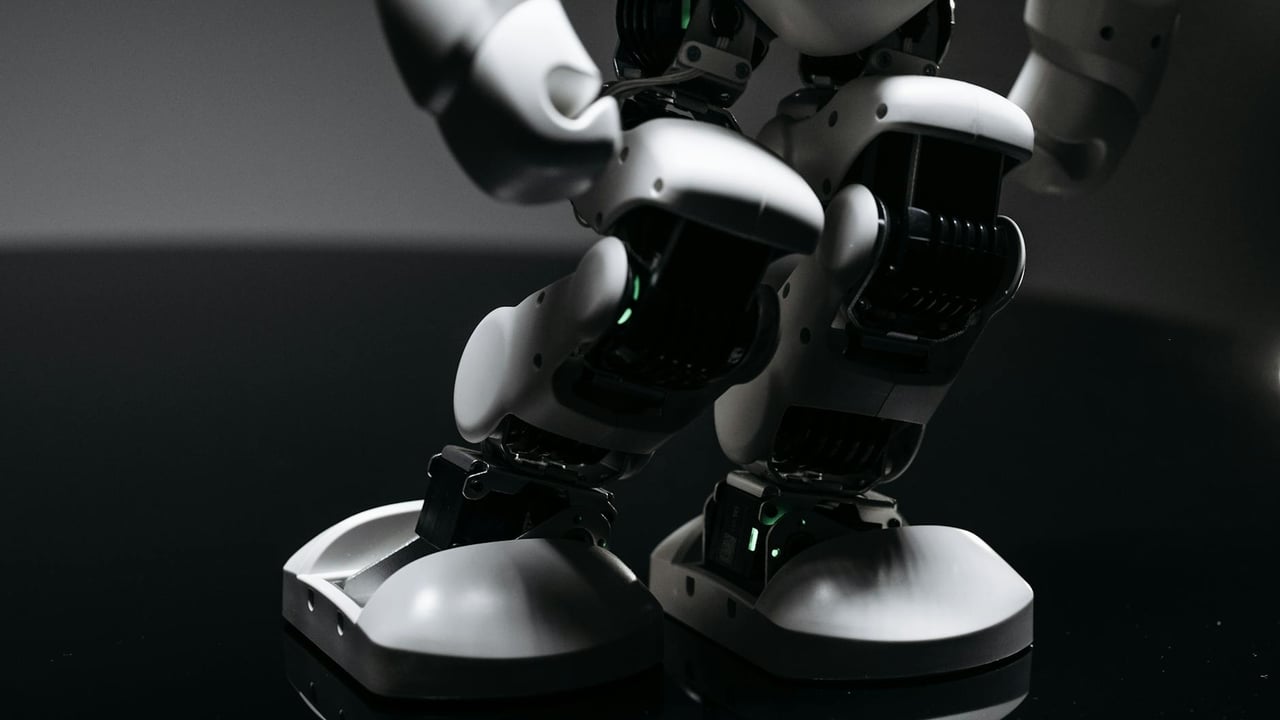
A detailed close-up of a high-tech robotic toy showcasing innovative design in a studio setting.

Key Takeaways

  • 1The first-ever international standard project for Embodied AI has been successfully initiated.
  • 2Embodied AI integrates advanced reasoning models with physical robotic bodies for real-world interaction.
  • 3The standard aims to address industry fragmentation and establish protocols for safety and interoperability.
  • 4China is taking a leading role in the standard-setting process, reflecting its strategic focus on humanoid robotics.
  • 5Standardization is a critical step toward the commercialization and mass adoption of autonomous robotic systems.

Editor's
Desk

Strategic Analysis

In the technology sector, it is often said that third-tier companies make products, while first-tier companies make standards. The initiation of the first international standard for Embodied AI is less about technical specifications and more about strategic positioning. For China, this is a clear attempt to bypass the 'follower' status it held during the early software era by becoming a 'rule-maker' in the physical AI era. If Chinese-led standards are adopted globally, it creates a favorable ecosystem for their domestic manufacturers of sensors, actuators, and chips. For international observers, this move signals that the next decade of AI competition will not just be fought over who has the best chatbot, but over who defines the operating logic of the physical machines that will inhabit our factories and homes.

China Daily Brief Editorial
Strategic Insight
China Daily Brief

The global race to define the future of artificial intelligence has moved from the digital cloud to the physical world. In a landmark development for the robotics industry, the first international standard for the field of 'Embodied AI' has been officially initiated. This move signals a critical shift toward establishing a unified framework for machines that possess both advanced cognitive capabilities and physical forms, such as humanoid robots and autonomous industrial systems.

Embodied AI represents the next frontier of the technological revolution, where large language models are integrated into physical bodies capable of perceiving and interacting with the real world. Until now, the sector has operated in a fragmented landscape, with various tech giants and startups developing proprietary systems. The initiation of an international standard aims to harmonize these efforts, ensuring safety, interoperability, and a common language for the global supply chain.

China’s leadership in this standard-setting process underscores its strategic ambition to move beyond mere hardware manufacturing. By defining the rules of the road for how robots sense, think, and move, Chinese firms and academic institutions are positioning themselves to dominate the foundational architecture of the robotics era. This follows a broader pattern of Beijing seeking a 'standard power' status in high-tech domains, including 5G and green energy.

The global implications of this standard are profound, particularly as the demand for labor-replacing technologies grows in aging societies. Establishing international benchmarks for Embodied AI will likely dictate which technologies gain market entry and how data security is managed within physical environments. As the line between software and physical machinery blurs, this standard will serve as the cornerstone for the next generation of industrial and domestic automation.

Share Article

Related Articles

📰
No related articles found