China’s Digital Giants Hit by Historic $5 Billion Fine Over 'Ghost Kitchen' Scandals

Chinese regulators have fined seven major tech platforms nearly $5 billion for food safety violations involving 'ghost kitchens' and unlicensed vendors. The enforcement includes massive corporate fines, personal penalties for executives, and a temporary ban on new merchant registrations in specific food categories.

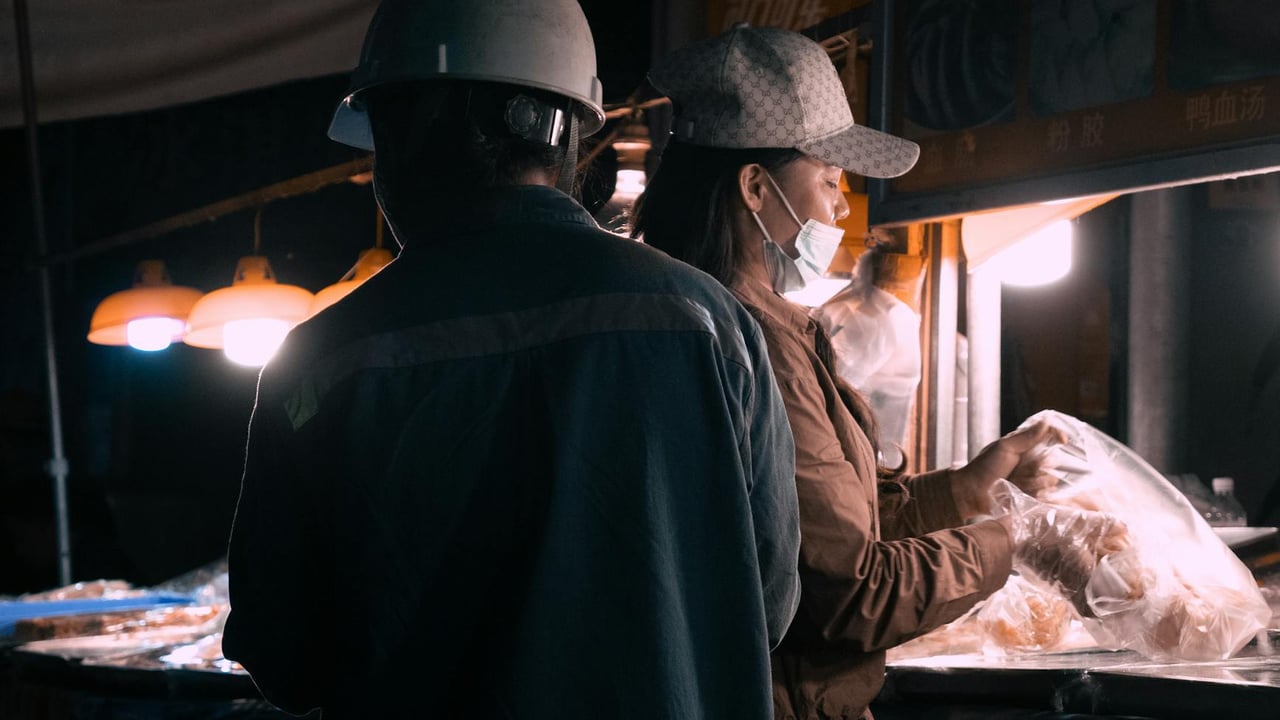
Two people in safety gear interact at a vibrant night market food stall.

Key Takeaways

  • 1SAMR imposed a collective 35.97 billion RMB fine on seven major platforms including Meituan, Pinduoduo, and Alibaba.
  • 2The core violations involved 'ghost kitchens' and failures to verify the legal business credentials of food vendors.
  • 3Platforms are banned from adding new cake shop merchants for three to nine months as a punitive measure.
  • 4For the first time at this scale, company legal representatives and food safety directors were personally fined nearly 20 million RMB.
  • 5The crackdown covers the primary pillars of China's digital economy: e-commerce, food delivery, and short-video social commerce.

Editor's
Desk

Strategic Analysis

This enforcement action represents a sophisticated evolution in China's oversight of the 'platform economy.' While earlier crackdowns (2020-2022) focused heavily on anti-monopoly and data security, the current focus has shifted toward operational ethics and consumer protection. By invoking the Food Safety Law alongside the E-commerce Law, Beijing is framing this as a populist move to protect the 'common man' from the risks of unregulated digital growth. Furthermore, the decision to personally fine executives and directors is a strategic 'piercing of the corporate veil.' It serves as a stern warning to tech leadership that the state now expects a level of social responsibility commensurate with their immense market power and influence over daily Chinese life.

China Daily Brief Editorial
Strategic Insight
China Daily Brief

Beijing has delivered a thunderous reminder that the era of regulatory leniency for China’s delivery platforms is firmly in the past. The State Administration for Market Regulation (SAMR) announced a staggering 35.97 billion yuan (approximately $4.96 billion) in fines against seven of the country’s largest tech platforms. This massive penalty, targeting household names including Meituan, Pinduoduo, and Alibaba-owned entities, centers on the persistent plague of 'ghost kitchens'—unlicensed food vendors operating in the shadows of the digital economy.

The investigation revealed a systemic failure in platform gatekeeping. Regulators found that these tech giants frequently neglected to verify food business licenses or ignored illegal 'order-transferring' schemes that compromised consumer safety. By allowing unverified vendors to populate their ecosystems, the platforms effectively traded public health for rapid market expansion and commission revenue, a practice the SAMR has now deemed intolerable under the nation’s Food Safety and E-commerce laws.

Beyond the eye-watering financial penalties, the regulator is employing a more surgical form of punishment. The seven platforms, which also include JD.com, Douyin, and Ele.me, are barred from registering new 'cake shop' vendors for periods ranging from three to nine months. This targeted suspension strikes at a high-frequency, high-margin segment of the delivery market, creating a direct operational bottleneck for platforms that fail to police their merchant pools.

Perhaps most significant is the personal accountability being enforced in this round of rectification. Individual fines totaling nearly 20 million yuan were leveled against company legal representatives and food safety directors. This move signals a shift in Beijing’s strategy: corporate negligence will no longer be treated as a mere cost of doing business, but as a personal liability for the executives who oversee these digital ecosystems.

Share Article

Related Articles

📰
No related articles found