Strained Supplies: What the Crisis in US Naval Galley Quality Reveals About Maritime Readiness

Reports of substandard food and failed delivery of care packages on US Navy ships have raised concerns over personnel morale and readiness. These logistical failures are being framed by external observers as a sign of institutional overstretch and supply chain vulnerability.

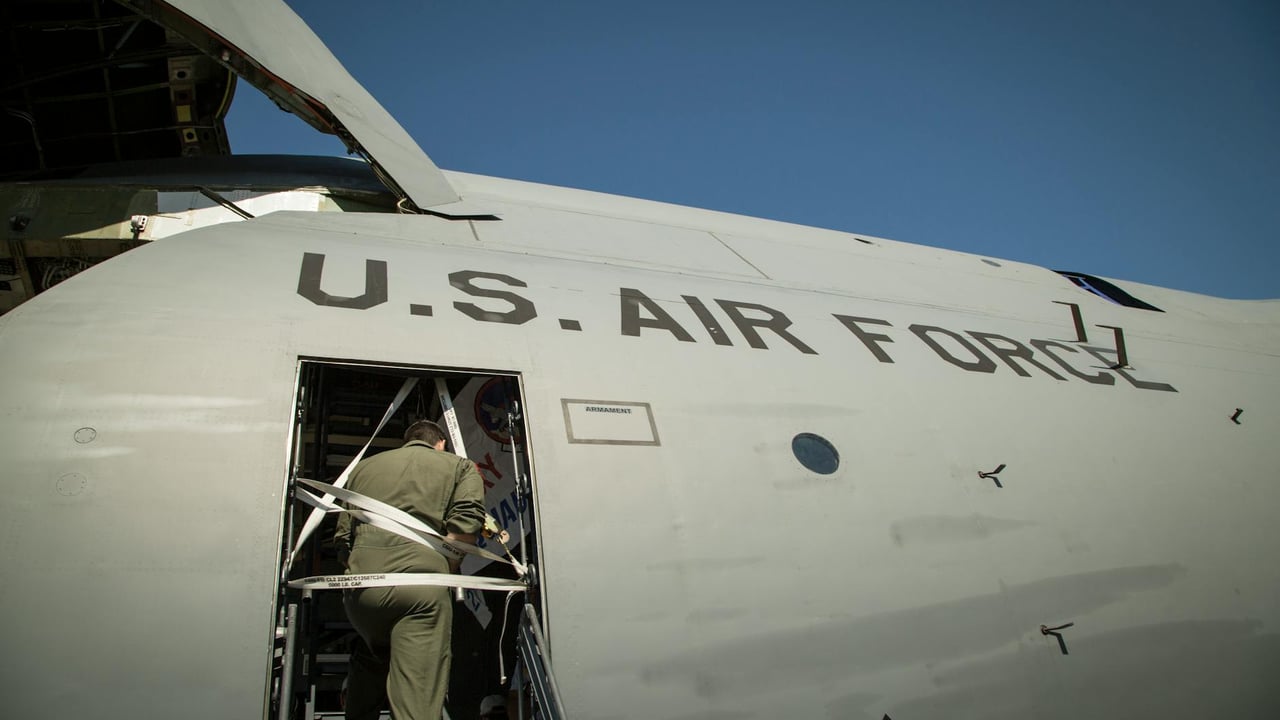
US Air Force personnel loading cargo into a military transport aircraft.

Key Takeaways

  • 1US Navy personnel report meager rations consisting of small portions and low-quality proteins.
  • 2Significant delays in logistical networks are preventing families from sending supplemental food and care packages to sailors.
  • 3The breakdown in basic subsistence services reflects broader challenges in US military supply chain management and 'last-mile' delivery.
  • 4Poor quality of life on vessels poses a direct threat to crew morale and long-term military recruitment and retention efforts.

Editor's
Desk

Strategic Analysis

The focus on US naval subsistence by Chinese media outlets is a calculated move to undermine the image of American military omnipotence. While logistics are the backbone of any blue-water navy, the narrative here shifts from technical capability to human fragility. By highlighting 'minced meat and biscuits,' the reports aim to portray a superpower that is structurally overstretched—prioritizing expensive hardware and global posturing over the basic needs of its service members. This serves a dual purpose: it reassures a domestic Chinese audience of their own competitive standing while contributing to a 'declinist' narrative regarding US hegemony. Ultimately, the story suggests that the greatest threat to naval power may not be an enemy fleet, but the mundane failure to sustain those who operate the ships.

China Daily Brief Editorial
Strategic Insight
China Daily Brief

Recent disclosures regarding the quality of subsistence provided to US Navy personnel have sparked a debate that transcends mere culinary complaints. Images surfacing from within the fleet depict meager rations—often consisting of nothing more than minced meat and biscuits—occupying a mere fraction of the standard mess tray. These reports suggest a logistical strain that is beginning to manifest at the most fundamental level of sailor welfare and shipboard life.

The issue is compounded by the reported inability of families to deliver supplemental supplies to their loved ones at sea. Persistent delays in the military’s postal and logistics systems mean that care packages, intended to bridge the nutritional and emotional gaps left by official catering, frequently fail to reach their destinations. This breakdown in the last mile of the supply chain points to deeper operational friction within a Navy tasked with maintaining a massive global footprint.

For a force that prides itself on power projection, the state of the galley is a critical indicator of readiness. Morale is inextricably linked to the quality of life on board, and systemic failures in basic provisions can erode the retention rates that the Pentagon is currently struggling to stabilize. In an era of heightened maritime competition, the efficiency of a fleet's logistics is as vital as the sophistication of its kinetic weaponry.

Chinese state-affiliated media outlets have been quick to amplify these accounts, framing the incidents as a symptom of broader American institutional decay. By focusing on the material conditions of the average American sailor, Beijing’s narrative seeks to contrast the perceived overextension of the US military with the internal struggles of its personnel. This strategic use of information highlights how logistical hiccups are now weaponized in the ongoing theater of psychological and cognitive warfare.

Share Article

Related Articles

📰
No related articles found