Transactional Security: Trump’s Break with Italy Signals a NATO in Existential Crisis

Donald Trump has publicly withdrawn his commitment to defend Italy after Prime Minister Giorgia Meloni refused to allow U.S. strikes on Iran from Sicilian bases. This escalation highlights a breakdown in NATO unity as European allies increasingly balk at being drawn into American-led Middle Eastern conflicts.

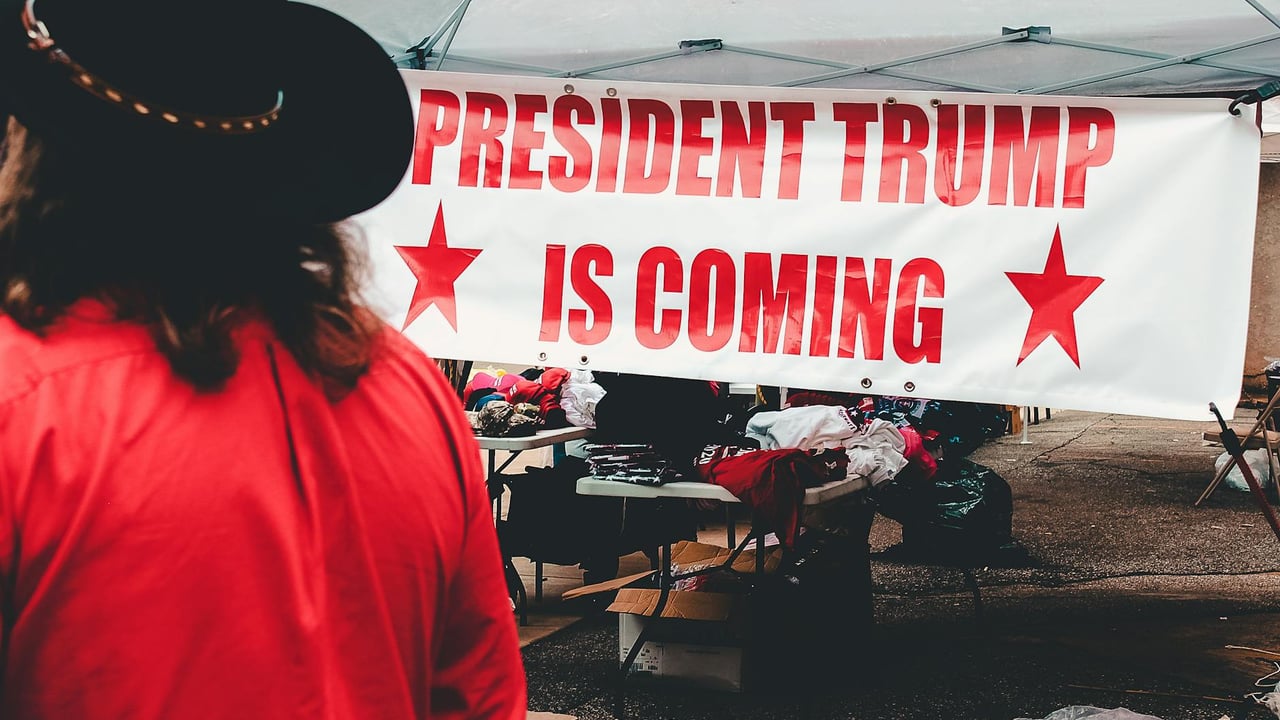
Banner promoting a political event for Donald Trump in Wheeling, WV with market stalls.

Key Takeaways

  • 1Trump explicitly stated he would not support Italy in the future due to their lack of military cooperation regarding Iran.
  • 2Prime Minister Meloni refused to permit U.S. warplanes to use Sicilian bases, citing international law and humanitarian concerns.
  • 3The dispute follows a devastating airstrike on an Iranian school, which Meloni condemned as a massacre, further distancing Rome from the conflict.
  • 4Trump has extended his criticism to other NATO allies, including the UK, labeling the alliance a 'paper tiger.'
  • 5The standoff marks a transition from values-based alliances to a purely transactional foreign policy model under the Trump administration.

Editor's
Desk

Strategic Analysis

The public fallout between Trump and Meloni represents the most significant threat to NATO cohesion in the post-Cold War era. By making military protection conditional on specific mission support, the Trump administration is effectively dismantling the concept of deterrence. If adversaries perceive that U.S. protection can be switched off due to a bilateral disagreement over base access, the strategic umbrella over Europe vanishes. Furthermore, Meloni's refusal indicates that European 'sovereignty' is no longer just a populist slogan but a practical barrier to U.S. military reach. This 'de-coupling' of European interests from American military objectives suggests that the next decade of the alliance will be defined by internal litigation rather than external cooperation.

China Daily Brief Editorial
Strategic Insight
China Daily Brief

The foundations of the Transatlantic alliance are shivering as Donald Trump adopts an increasingly transactional approach to mutual defense. In a series of social media posts and interviews, Trump has declared that he will no longer 'stand up' for Italy, citing Rome’s refusal to support American and Israeli military strikes against Iran. This move transforms the collective security of NATO from a binding commitment into a conditional service, dependent on immediate geopolitical compliance.

The specific flashpoint centers on Italy’s refusal to grant the U.S. military access to strategic airbases in Sicily for missions targeting Iranian territory. Prime Minister Giorgia Meloni, once seen as a close ideological ally of the American right, has charted a surprisingly independent course, arguing that military intervention in Iran violates international law. Her stance is bolstered by domestic outrage over a recent strike on an Iranian school that resulted in the deaths of over a hundred children, an event she described as a 'massacre.'

Trump’s rhetoric reflects a deepening frustration with allies who prioritize sovereign legal frameworks over Washington’s strategic directives. By labeling NATO a 'paper tiger' and publicly feuding with Meloni, Trump is signaling to the world that Article 5—the cornerstone of the alliance—may now be subject to a 'pay-to-play' or 'comply-to-play' litmus test. This shift does not just alienate Rome; it sends a chilling message to London and other European capitals that have expressed similar reservations about Middle Eastern escalations.

This rift suggests a significant realignment of European foreign policy, where even right-wing leaders like Meloni are unwilling to trade regional stability for American approval. As Italy distances itself from what it perceives as an illegal war, the United States risks a self-imposed isolation within the very alliance it built to ensure global dominance. The Mediterranean, once a secure theater for U.S. power projection, is becoming a map of diplomatic friction points.

Share Article

Related Articles

📰
No related articles found