
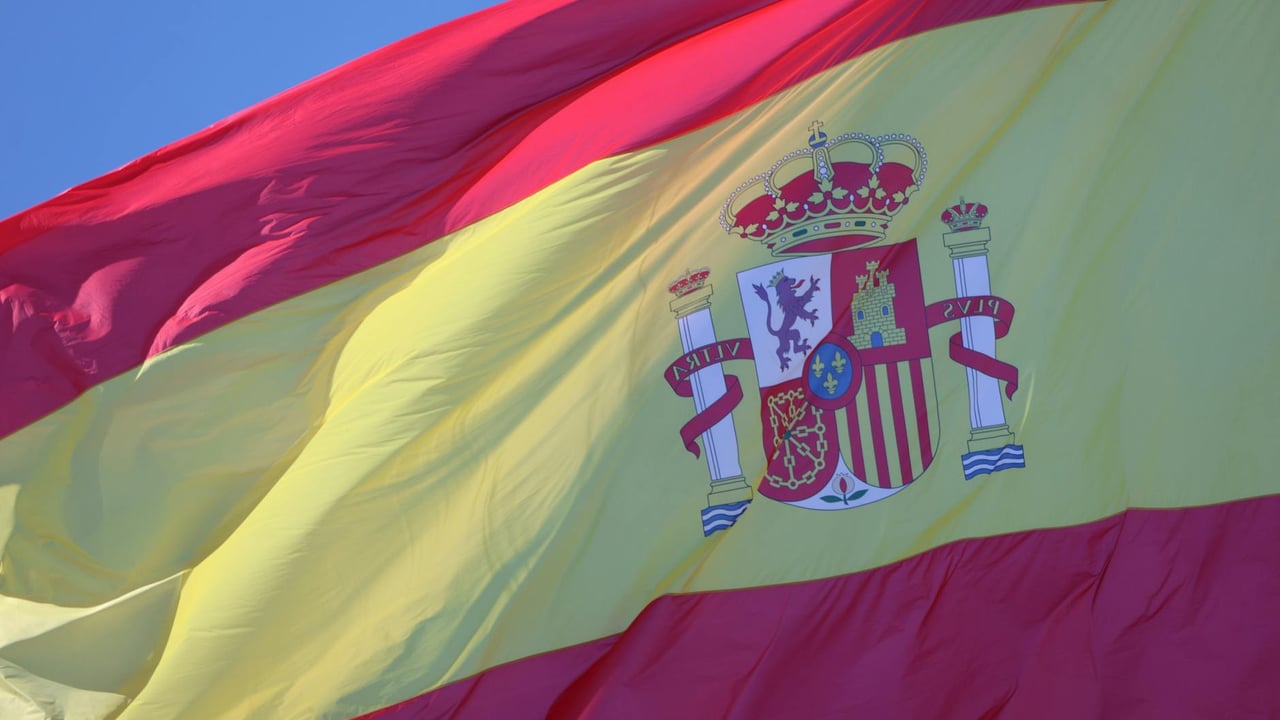

Spanish Prime Minister Pedro Sánchez’s arrival in Beijing this April marks his fourth visit to China in as many years, an unprecedented frequency for a major European leader. While the diplomatic circuit often revolves around routine summits, the persistence of the Madrid-Beijing dialogue suggests a deeper structural realignment. For Sánchez, the relationship with China is no longer merely a trade consideration but a cornerstone of a broader vision for European strategic autonomy.
During his meetings with President Xi Jinping at the Great Hall of the People, the rhetoric moved beyond diplomatic niceties toward a shared emphasis on 'strategic stability.' Xi noted that despite a volatile international landscape, the China-Spain relationship has remained remarkably steady. This stability is rooted in a pragmatic realism that prioritizes mutual economic interests over the ideological friction that has increasingly characterized the broader EU-China relationship.
Spain’s current diplomatic posture is particularly visible against the backdrop of rising tensions in the Middle East. By explicitly barring the United States from using Spanish military bases at Rota and Morón for strikes against Iran, Sánchez has signaled a clear departure from traditional Atlanticist subservience. This refusal is grounded in Spain's historical trauma, ranging from its own Civil War to the 2003 Iraq War fallout, fostering a deep-seated domestic consensus against military interventionism.
Economically, the visit underscored Spain's role as a vital gateway for Chinese technology into the European market. With bilateral trade exceeding $55 billion in 2025, Spain has become a primary destination for Chinese investment in electric vehicles, power batteries, and energy storage. Sánchez’s tour of the Xiaomi Science and Technology Park highlights a willingness to embrace Chinese high-tech dominance even as other European capitals move toward 'de-risking' or protectionist measures.
In his address at Tsinghua University, Sánchez championed a multipolar world, characterizing the current global shift as a 'prosperity of the many' rather than a zero-sum game. This vision aligns with Beijing’s preference for a world order less reliant on American hegemony. By positioning Spain as a rational, moderate voice within the European Union, Sánchez is attempting to model a path that avoids the traps of great-power confrontation while securing Spain's economic future.