
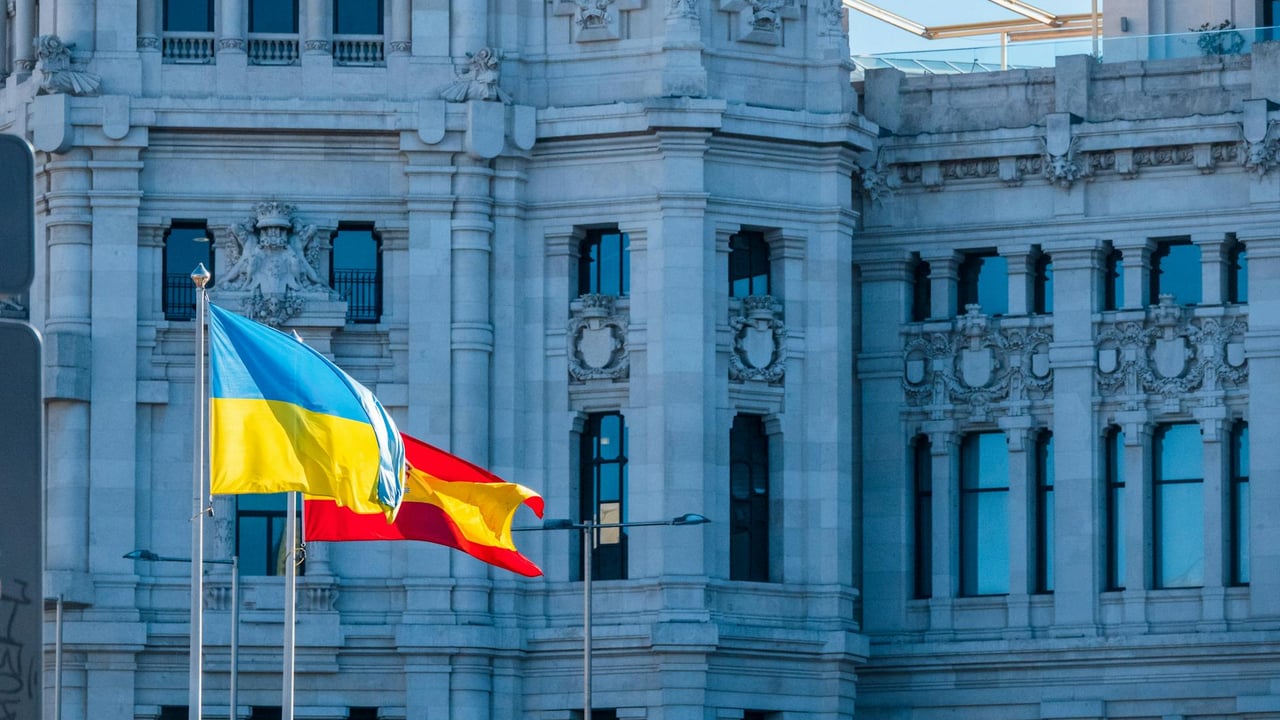

Spanish Prime Minister Pedro Sánchez’s arrival in Beijing this April marks his fourth visit to China in as many years, a frequency that is virtually unprecedented among European leaders. During his meeting with President Xi Jinping at the Great Hall of the People, the two leaders emphasized a relationship built on 'strategic stability.' This diplomatic consistency signals that Madrid is not merely following a Brussels-led agenda but is actively carving out a unique role as a pragmatic bridge between the West and the East.
The visit unfolds against a backdrop of severe geopolitical volatility, particularly regarding escalating tensions in the Middle East. Sánchez has reinforced Spain’s independent streak by restricting the use of U.S. military bases on Spanish soil for operations against Iran, insisting on diplomatic solutions over military escalation. This stance is deeply rooted in Spain’s domestic political DNA, shaped by the historical scars of its Civil War and the public backlash following the 2003 Iraq invasion. By prioritizing international law and 'strategic autonomy,' Sánchez aligns with Beijing’s preference for a multipolar world order.
Economic pragmatism remains the bedrock of this maturing partnership. In 2025, bilateral trade between the two nations surpassed $55 billion, with China maintaining its position as Spain’s largest trading partner outside the European Union. While Spanish agricultural exports like olive oil and wine remain staples, the focus has shifted toward the future of industry. Sánchez’s high-profile visit to the Xiaomi Science Park to test electric vehicles and AI technology highlights Madrid's desire to integrate Chinese innovation into Spain’s own industrial transition.
Ultimately, the 'Sánchez Model' of engagement suggests a recalibration of European foreign policy. While the broader EU discourse often centers on 'de-risking' and trade defensiveness, Spain is betting on a deeper, more nuanced interdependence. By fostering high-level rapport and avoiding the zero-sum logic often found in Washington, Madrid is attempting to secure its own economic interests while injecting much-needed predictability into the increasingly friction-filled EU-China relationship.