Silicon Speed: Honor’s Humanoid Robots Dominate Beijing Marathon, Eclipsing Human Records

Honor's humanoid robots achieved a historic sweep of the top six spots at the 2026 Beijing Yizhuang Humanoid Robot Half-Marathon. The winning robot, 'Lightning,' completed the race in just over 50 minutes, significantly faster than the current human world record.

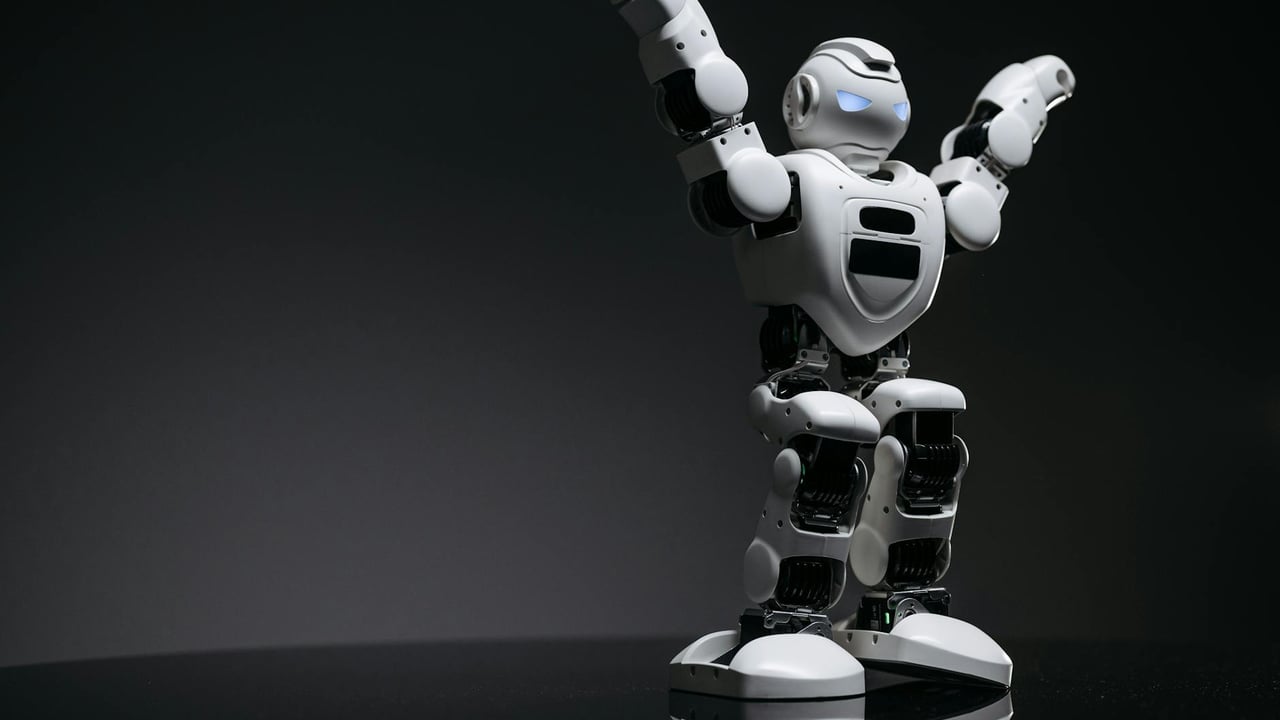
Close-up studio shot of a white robot toy with LED eyes raised in victory on a gray background.

Key Takeaways

  • 1Honor's 'Lightning' robot won the 2026 Beijing Yizhuang Humanoid Robot Half-Marathon with a time of 50:26.
  • 2The winning time surpasses the existing human world record for a half-marathon, which stands at approximately 57 minutes.
  • 3Honor robots dominated the competition by securing all top six finishing positions.
  • 4The event highlighted varying levels of mechanical reliability, with some competitors like Unitree H1 failing at the finish line.
  • 5The race positions Beijing's Yizhuang district as a premier global hub for humanoid robot testing and development.

Editor's
Desk

Strategic Analysis

The dominance of Honor in the Yizhuang marathon reflects a strategic pivot for Chinese consumer electronics firms into the 'embodied AI' sector. By outperforming human limits in a public, high-visibility endurance test, China is attempting to create a 'Sputnik moment' for the robotics industry. This event is less about the race itself and more about proving that the essential components—high-torque actuators, specialized vision chips, and battery management—have reached a level of maturity that could soon disrupt logistics, elderly care, and domestic services. The fact that Honor, a company born from the smartphone wars, is leading this charge suggests that the supply chain expertise used for mobile devices is now being successfully weaponized in the global race for robotic autonomy.

China Daily Brief Editorial
Strategic Insight
China Daily Brief

The 2026 Beijing Yizhuang Humanoid Robot Half-Marathon has marked a watershed moment in the intersection of athletics and artificial intelligence. Honor, the Chinese technology giant, demonstrated undisputed hardware supremacy as its fleet of robots swept the top six positions in the event. The flagship model, aptly named 'Lightning,' claimed the championship with a staggering time of 50 minutes and 26 seconds, effectively shattering the standing human world record for the distance.

This performance is not merely a sports achievement but a high-stakes demonstration of breakthroughs in bipedal locomotion and power density. To maintain a pace faster than the world’s elite human marathoners, these robots require sophisticated balance algorithms and motor cooling systems that can withstand sustained high-torque output. The dominance of Honor suggests a significant leap in the commercial viability of high-performance humanoid frames, moving beyond laboratory prototypes into robust, outdoor-capable machines.

While Honor celebrated a clean sweep, the event also highlighted the grueling nature of the course for mechanical competitors. Unitree's H1 robot, a notable rival in the field, reportedly collapsed at the finish line and required emergency technical intervention. This contrast underscores the divide between manufacturers who have optimized for reliability and those still grappling with the thermal and mechanical stresses of long-distance robotic endurance.

Beijing’s Yizhuang district, often referred to as E-Town, served as more than just a backdrop; it is the epicenter of China’s national robotics strategy. By hosting the world’s first humanoid-only marathon, the district is signaling its intent to lead the global supply chain for intelligent machines. The event marks a transition from stationary industrial automation to a new era of mobile, versatile humanoids designed to navigate the human world at, or even beyond, human speeds.

Share Article

Related Articles

📰
No related articles found