
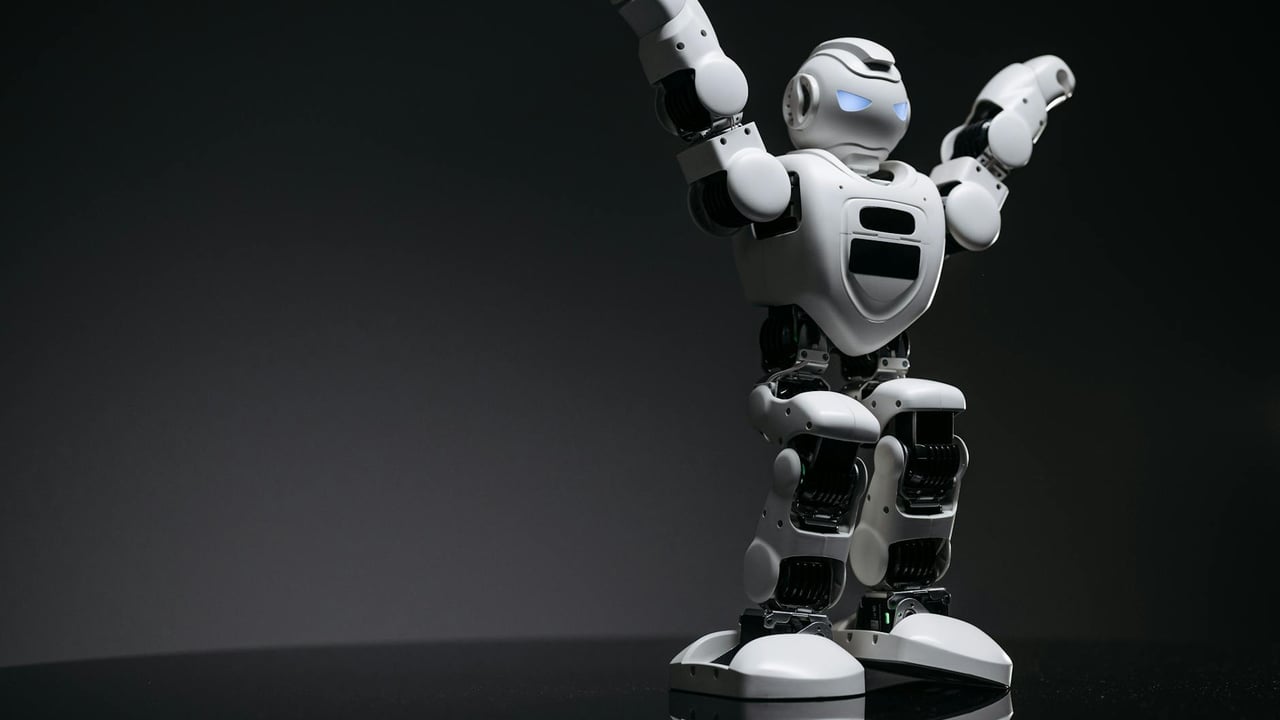

In a startling display of how rapidly robotics are encroaching on human physical dominance, a humanoid robot named 'Lightning' has decisively outperformed the world’s elite long-distance runners. During the 2026 Beijing Yizhuang Humanoid Robot Half Marathon, the autonomous machine crossed the finish line with a net time of 50 minutes and 26 seconds. This performance did not just win the race; it obliterated the current human half-marathon world record of 56 minutes and 42 seconds by more than six minutes.
The event, held in Beijing’s high-tech Economic-Technological Development Area (E-Town), saw a total sweep by the 'Lightning' platform. Developed by various collaborative research teams including Qitian Dasheng and Leiting Shandian, the specialized robots claimed all three podium spots. The second and third-place finishers followed closely with times of 50:56 and 53:01, respectively, signaling that high-speed bipedal locomotion has moved from experimental labs to reliable, real-world execution.
Beijing’s E-Town has long been the epicenter of China’s 'Robot+ Application' action plan, serving as a sandbox for autonomous vehicles and now, humanoid mobility. The competition tested more than just raw speed; it required the machines to navigate a standard course autonomously, managing battery life and mechanical stability over 21 kilometers. While the sight of programmers chasing their creations with laptops provided some levity, the underlying technical achievement marks a significant milestone in actuator precision and real-time balance algorithms.
This marathon serves as a high-profile stress test for China’s domestic robotics industry, which is currently racing to meet the Ministry of Industry and Information Technology's goal of mass-producing humanoid robots by 2025-2027. By achieving speeds that exceed human physiological limits, these developers are demonstrating that the hardware bottlenecks regarding joint torque and heat dissipation are being rapidly resolved. The dominance of the 'Lightning' architecture suggests a maturing of the standardized hardware platforms that will likely underpin future industrial and service-oriented humanoid units.