
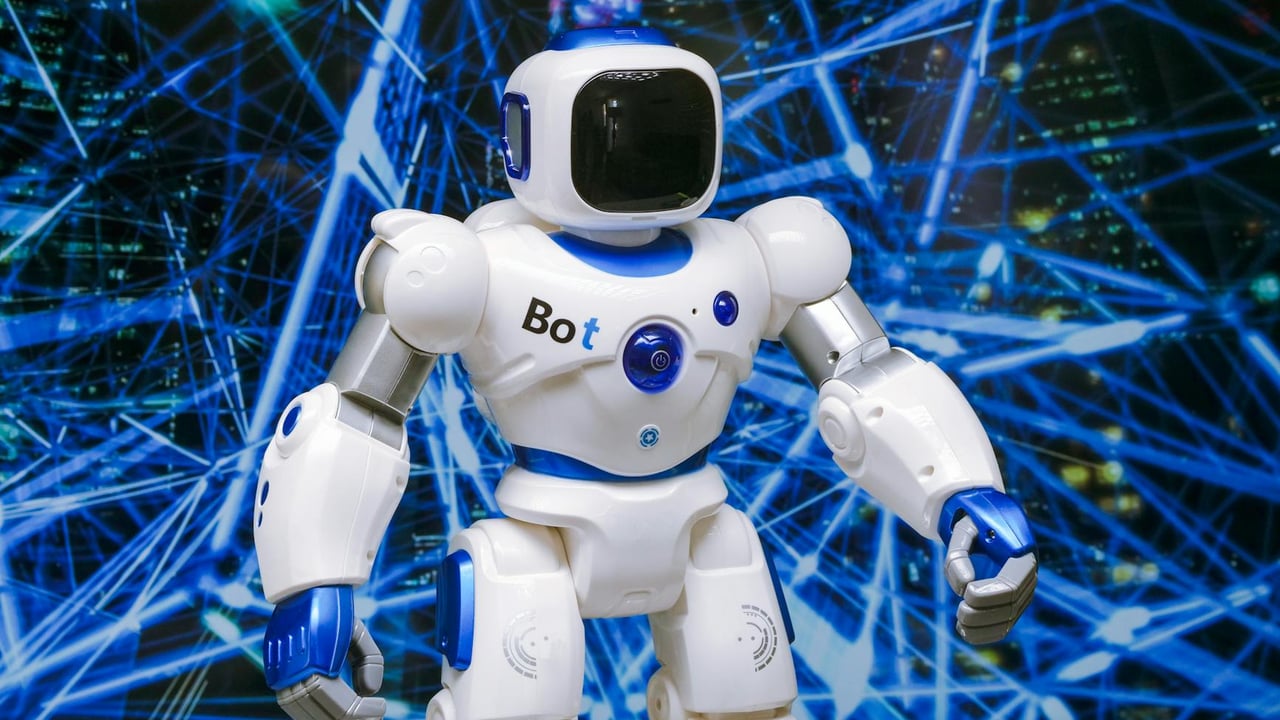

A watershed moment for the robotics industry occurred on the streets of Beijing’s Yizhuang district as a humanoid robot completed a half marathon in just 50 minutes and 26 seconds. The performance, achieved by the 'Lightning' robot developed by Shenzhen-based Honor Intelligent Technology, did more than just secure a podium sweep; it shattered the standing human world record for the distance by nearly seven minutes. This feat, conducted during the 2026 Beijing Yizhuang Half Marathon, marks a shift from laboratory demonstrations to high-performance, real-world endurance applications for embodied artificial intelligence.
The technical victory was driven by a sophisticated cross-pollination of consumer electronics expertise and specialized robotics engineering. Honor’s R&D team, which has expanded to over 200 specialists in a single year, successfully adapted liquid cooling systems—originally designed for high-end smartphones—to manage the thermal loads of the robot’s high-torque motors. Furthermore, the robot’s structural integrity relies on 'Luban' shield steel, a proprietary material and manufacturing process borrowed from the company's foldable phone hinges, allowing the 45-kilogram machine to maintain a peak running speed of 21.6 kilometers per hour.
Beyond the headlines of the race itself, the event served as a public verification of China’s burgeoning humanoid supply chain. Major listed entities, including Lingyi iTech and Lens Technology, disclosed their roles in providing hundreds of precision structural components and surface treatments for the winning machines. Sensor specialists like Orbbec and Hesai provided the 3D vision and LiDAR systems that enabled the robots to navigate the course autonomously, even recovering from mid-race collisions without human intervention. This collective participation suggests that the industry is transitioning from bespoke prototypes to a scalable ecosystem.
Industry analysts view 2026 as the '0 to 1' pivot point for humanoid robotics, characterized by the convergence of hardware reliability and autonomous navigation. With investment in the sector during the first quarter of 2026 already exceeding half of the previous year’s total, the focus has shifted toward mass production and operational stability. The ability of these robots to operate under high-load, long-duration conditions signifies that the infrastructure for a 'Physical AI' era is now largely in place, with Chinese manufacturing giants positioning themselves at the center of this global race.