Beijing’s 20-Hour Shadow: PLA’s Persistent Maritime Standoff Signals Growing Naval Assertiveness

A 20-hour confrontation between a PLA Navy vessel and a foreign warship highlights Beijing's increasing capability for long-duration maritime surveillance and expulsion tactics. This shift toward persistent 'shadowing' operations underscores a new phase of assertive maritime strategy in the region.

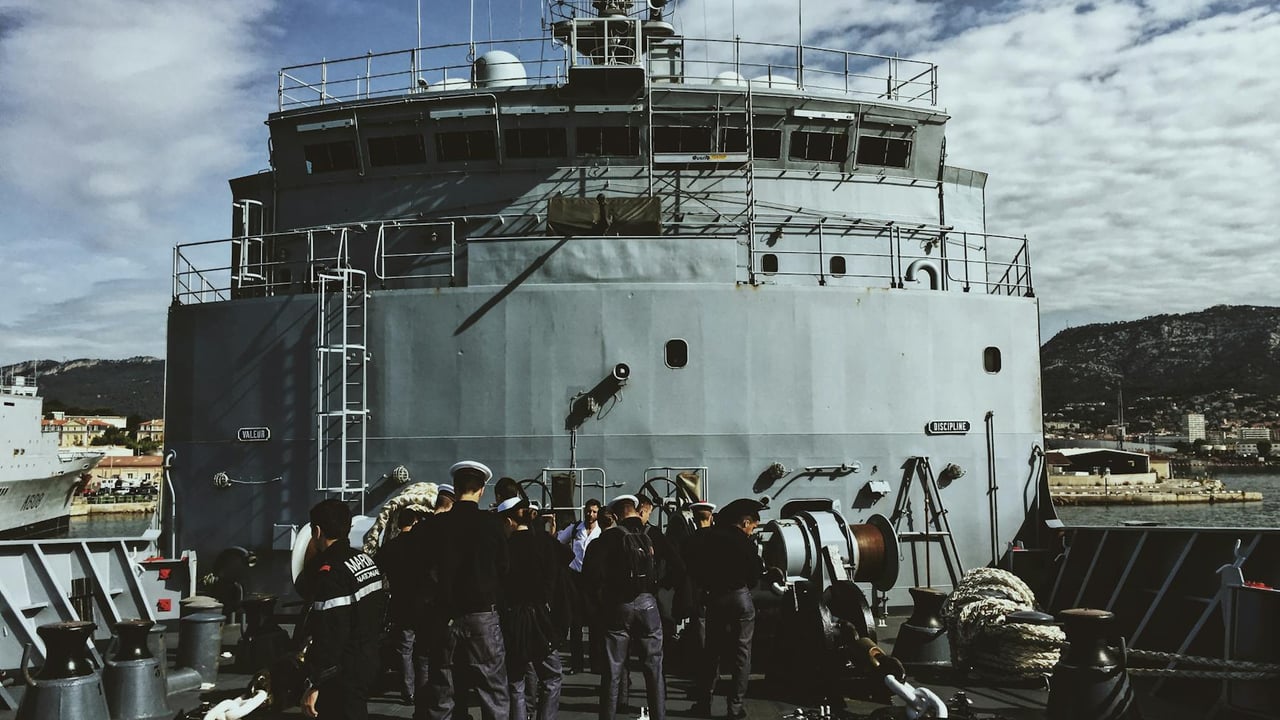
A navy crew gathered on a ship's deck in Toulon, Provence-Alpes-Côte d'Azur, France.

Key Takeaways

  • 1The PLA Navy sustained a 20-hour continuous monitoring operation against a foreign warship.
  • 2The operation concluded with a 'forceful expulsion,' indicating a more aggressive tactical stance.
  • 3Retired military officials in Taiwan have voiced concern over the PLA’s maturing blue-water operational endurance.
  • 4The incident demonstrates Beijing's improved command-and-control capabilities in the maritime domain.
  • 5Protracted shadowing represents a strategic evolution in China’s 'gray zone' tactics against foreign naval presence.

Editor's
Desk

Strategic Analysis

The 20-hour duration of this encounter is the most significant takeaway, marking a departure from the 'hit-and-run' interceptions of the past decade. By maintaining a constant presence for nearly a full day, the PLA is effectively signaling that it can match foreign naval vessels minute-for-minute, turning routine transits into grueling tests of endurance. This normalization of high-intensity shadowing serves two purposes: it creates a psychological deterrent for foreign planners and provides the PLA with invaluable real-world training in tracking and electronic warfare. For global maritime powers, this suggests that the 'cost of entry' into these waters is rising, as every transit now risks a high-stakes, long-duration confrontation that increases the margin for human error or accidental escalation.

China Daily Brief Editorial
Strategic Insight
China Daily Brief

A twenty-hour maritime confrontation between the People’s Liberation Army (PLA) Navy and a foreign warship has signaled a significant shift in Beijing's tactical endurance and territorial posture. The standoff, characterized by continuous monitoring and an eventual 'forceful expulsion,' has drawn attention for its duration and the logistical coordination required to sustain such high-pressure surveillance at sea.

Observers of cross-strait and regional dynamics note that these protracted engagements are becoming the new baseline for maritime encounters. The ability of the PLA Navy to maintain a 'whole-process' monitor on foreign vessels suggests a level of operational maturity that aims to challenge the traditional dominance of Western navies in contested waters. By refusing to break contact for nearly an entire day, Beijing is testing both the technical reliability of its fleet and the psychological resolve of foreign crews.

Recent commentary from a retired high-ranking military official in Taiwan underscored the intensity of the encounter, describing the PLA’s tactics as 'unprecedented.' The shift from brief, symbolic interceptions to long-term shadowing operations represents a calculated effort to increase the operational costs for foreign navies conducting freedom-of-navigation exercises. These 'gray zone' tactics are designed to assert sovereignty without crossing the threshold into kinetic conflict.

As the PLA continues to modernize, its strategy is moving beyond mere denial to active management of maritime traffic through persistent presence. The successful execution of a 20-hour mission indicates that the Chinese naval command is increasingly confident in its command-and-control infrastructure. This development serves as a stark reminder to regional stakeholders that the operational gap in the Western Pacific continues to narrow.

Share Article

Related Articles

📰
No related articles found