Huawei’s Pura 90 Strategy: Swallowing Costs to Secure the High-End Throne

Huawei has launched its Pura 90 series with a starting price of 4,699 yuan, absorbing a 1,500 yuan increase in production costs to remain competitive. The new flagship emphasizes breakthrough 200MP camera technology and AI-integrated photography tools to solidify its position in the premium market.

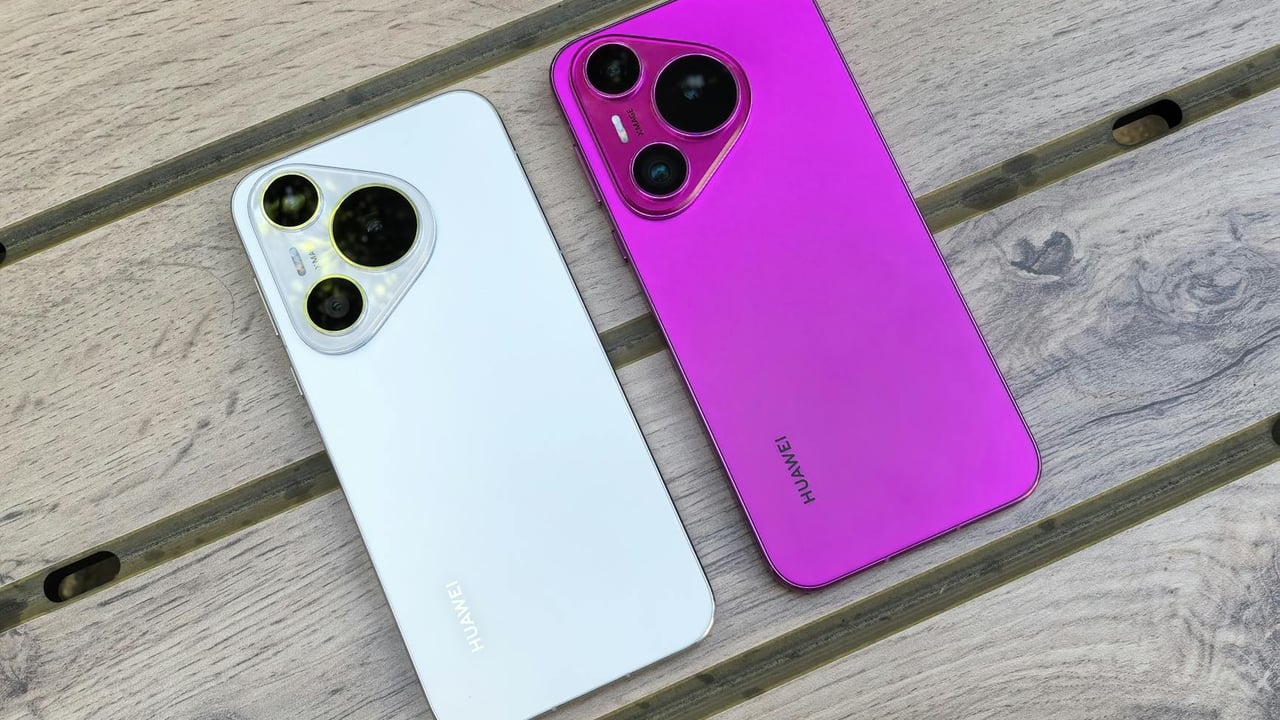
Two Huawei smartphones in white and pink on a wooden table with no people.

Key Takeaways

  • 1Huawei maintains a base price of 4,699 yuan for the Pura 90 despite a 1,500 yuan rise in per-unit manufacturing costs.
  • 2The flagship Pura 90 Pro Max features an industry-first 200MP telephoto sensor and enhanced 'Kunlun' glass durability.
  • 3The series introduces XMAGE Smart Imaging and AI Pose Recommendation to automate professional-level photography.
  • 4The product launch signals Huawei's strategy to prioritize market share over margins during a period of component inflation.
  • 5Official sales are scheduled to begin on April 29 across China's major retail channels.

Editor's
Desk

Strategic Analysis

Huawei’s decision to keep the Pura 90 pricing flat while facing a 1,500-yuan cost hike is a classic 'loss leader' play aimed at long-term strategic dominance rather than short-term quarterly gains. This move is particularly significant given the ongoing geopolitical pressure on Huawei's supply chain; it suggests that the company has reached a level of domestic supply chain maturity where it can afford to absorb shocks to protect its ecosystem. By focusing heavily on proprietary AI and the XMAGE imaging brand, Huawei is attempting to decouple its value proposition from the underlying silicon, creating a brand prestige that rivals Apple's. If successful, this 'counter-cyclical' gamble could further erode the market share of foreign flagships in China, as consumers see high-tech domestic alternatives that offer superior value for money despite rising global inflation.

China Daily Brief Editorial
Strategic Insight
China Daily Brief

Huawei has officially launched its flagship Pura 90 series, opting for a bold 'counter-cyclical' pricing strategy that keeps the entry-level price at 4,699 yuan (approximately $650). This decision comes despite a significant surge in manufacturing expenses, as the company seeks to cement its recovery in the premium smartphone segment. By maintaining price parity with previous generations, Huawei is signaling its intent to prioritize market share and consumer loyalty over immediate profit margins.

Richard Yu, chairman of Huawei's Consumer Business Group, revealed during the launch event that the bill of materials for the new series has increased by roughly 1,500 yuan per unit. Much of this cost pressure stems from the rising price of memory components and the sophisticated engineering required for domestic chip integration. Yu’s candid admission underscores the financial tightrope Huawei is walking as it balances supply chain self-reliance with the need to remain competitive against rivals like Apple and Xiaomi.

The Pura 90 Pro Max, the series' crown jewel, introduces a suite of hardware breakthroughs, including a 200-megapixel telephoto sensor and the 'Triplet Power Prism' optical system. The device also features a new generation of Kunlun glass, which Huawei claims offers a 20-fold increase in drop resistance. These specifications are designed to reinforce Huawei’s 'XMAGE' branding, positioning the device as a professional-grade tool for the mobile photography era.

Software and artificial intelligence are also central to the Pura 90’s value proposition. The series debuts 'XMAGE Smart Imaging,' an AI-driven solution that automates post-production and editing. Additionally, a new 'AI Pose Recommendation' feature utilizes social media trends to suggest photography angles to users. This focus on software-defined experiences suggests that Huawei is looking beyond raw hardware specs to build a 'lifestyle' ecosystem that appeals to a younger, more social-media-savvy demographic.

Share Article

Related Articles

📰
No related articles found