
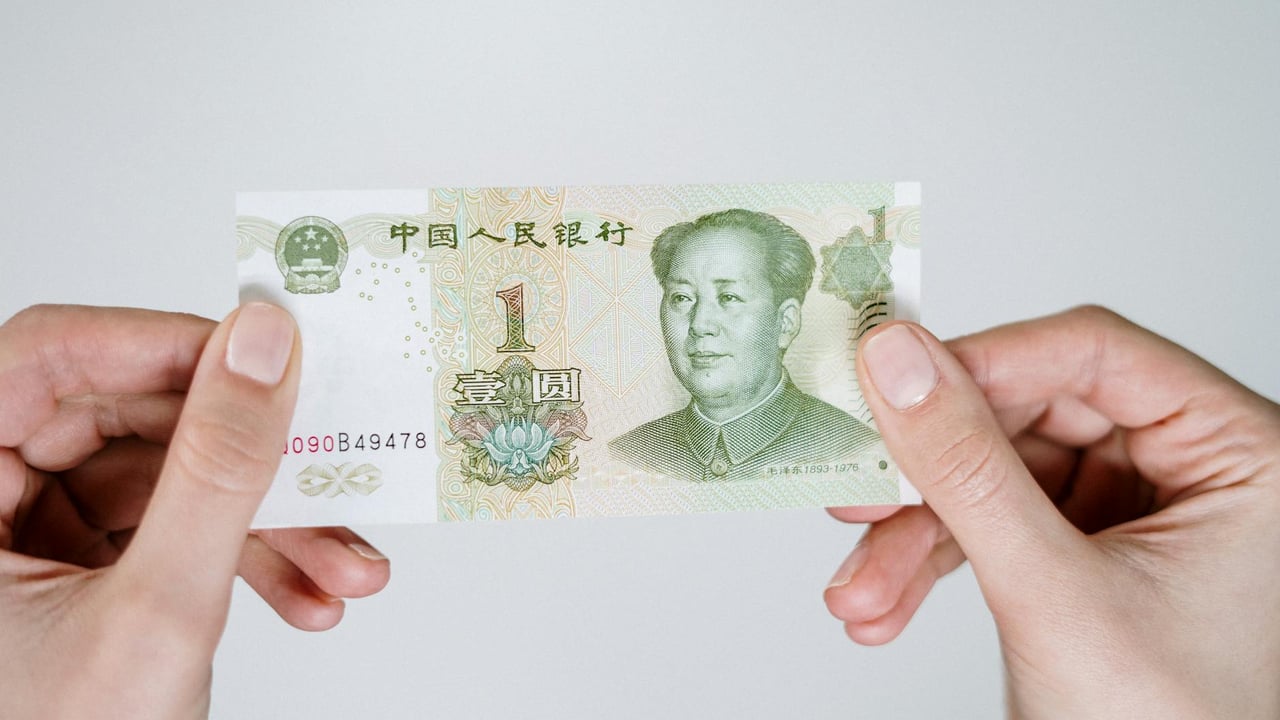

China is entering a pivotal phase in its quest to elevate the Renminbi (RMB) to a primary global currency, driven by a surge in corporate outward expansion and a widening divergence in international monetary policies. Sheng Songcheng, a former director at the People’s Bank of China, argues that the current environment represents the 'best timing' for the RMB to expand its global footprint. This shift is no longer merely a policy goal but is increasingly powered by the real-economy needs of Chinese firms deepening their footprint in global supply chains.
Recent data underscores this trend, with cross-border RMB settlements now heavily weighted toward the current account and direct investment. In the first quarter of 2024, China's total imports and exports settled in RMB grew by 15% year-on-year, significantly outperforming the previous year's growth. This 'large-in, large-out' trade cycle demonstrates a resilient integration into the global market, contrasting sharply with the 'small yard, high fence' protectionist strategies seen elsewhere.
At the heart of the RMB’s new appeal is its emerging role as a low-cost financing currency. As the Federal Reserve grapples with sticky inflation and a softening labor market, US dollar liquidity remains tight and expensive. In contrast, China’s moderate monetary stance has kept RMB interest rates at historical lows relative to major peers, making the currency an attractive vehicle for international trade finance and corporate lending.
The infrastructure for this expansion is already maturing through the 'Panda' and 'Dim Sum' bond markets, which saw massive issuance growth in 2024. Policy adjustments, such as the increase in the macro-prudential adjustment coefficient for overseas lending, have further empowered Chinese parent companies to provide RMB liquidity to their foreign subsidiaries. This transition from administrative guidance to market-driven financing is a cornerstone of Beijing's strategy to support its enterprises on the world stage.
To solidify these gains, financial authorities are focusing on the synergy between Shanghai and Hong Kong, aiming to build a more robust offshore financial system. By increasing the supply of offshore safe assets—such as central bank bills and sovereign bonds—China seeks to perfect the RMB yield curve abroad. Maintaining a 'strong currency' characteristic remains a long-term priority, reflecting a strategy where the RMB appreciates slowly and predictably based on China’s economic fundamentals and technological growth.