
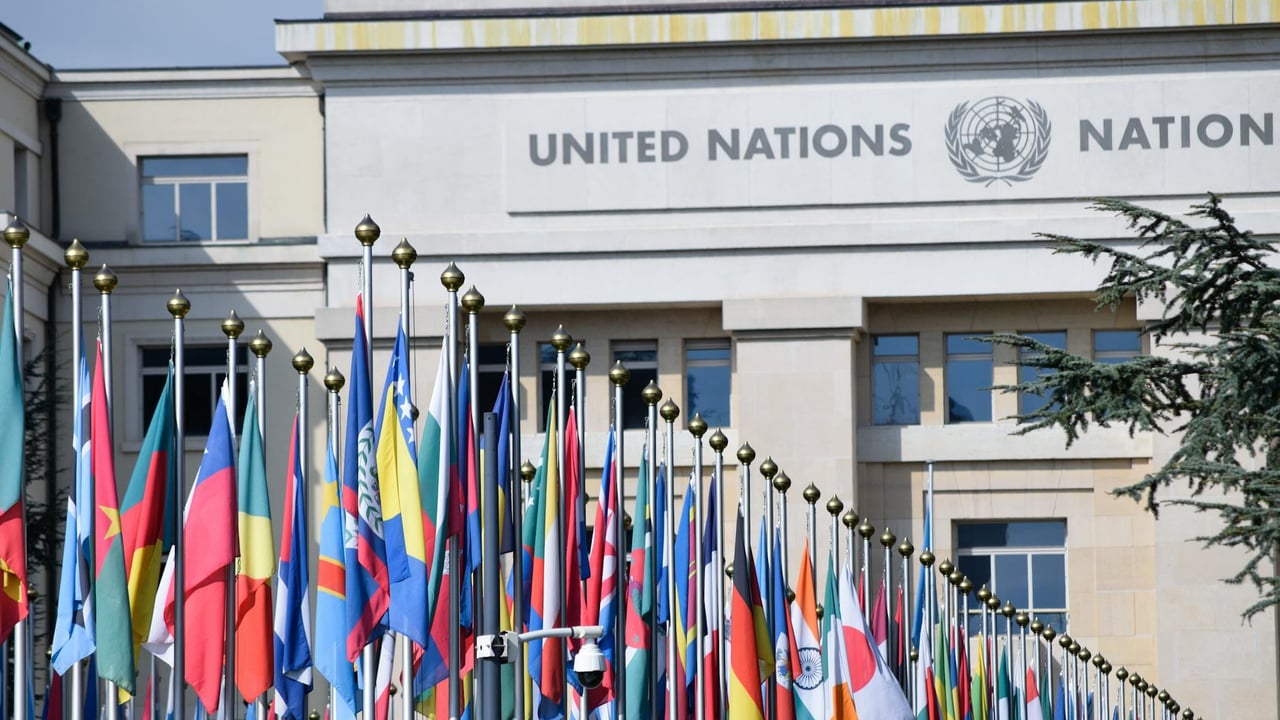

The diplomatic corridors of the United Nations Security Council have once again become the stage for a sharp escalation in rhetoric between the world’s two largest powers. In a recent session, China’s representative delivered a pointed rebuttal to accusations from the United States, signaling Beijing’s refusal to accept what it describes as a persistent campaign of 'smearing' and 'blame-shifting.' This exchange marks a continuation of the increasingly performative and polarized nature of modern high-stakes diplomacy.
The Chinese delegation characterized the American remarks as 'playing the same old tune,' a phrase often used by Beijing to dismiss Western criticisms as repetitive and lacking in factual merit. By framing the American position as an attempt to 'shirk responsibility,' China is positioning itself not merely as a defendant in the court of international opinion, but as a proactive critic of U.S. foreign policy. This shift reflects a broader strategic directive to challenge the American narrative on global security and governance.
Central to this confrontation is a fundamental disagreement over who is responsible for the current state of global instability. While Washington often uses the Security Council floor to highlight issues of human rights and regional aggression, Beijing has pivoted to a strategy of counter-accusation. This involves highlighting American military interventions and the perceived hypocrisy of a 'rules-based order' that China argues is selectively applied to suit Western interests.
For international observers, the intensity of this exchange underscores the narrowing space for cooperation within the UN’s most powerful body. As both nations harden their stances, the Security Council risks slipping further into a state of paralysis, where substantive resolutions are sacrificed in favor of ideological posturing. Beijing’s directness suggests that its diplomatic corps has been empowered to hit back immediately and forcefully against any perceived slight to China’s national image.