Diplomatic Duel: Beijing Rebuffs Washington in High-Stakes UN Security Council Exchange

China’s representative at the United Nations has delivered a sharp rebuke to American counterparts, accusing the United States of repeating 'old tunes' of smear tactics. The exchange underscores the widening diplomatic rift as both nations utilize the Security Council as a stage for strategic narrative competition.

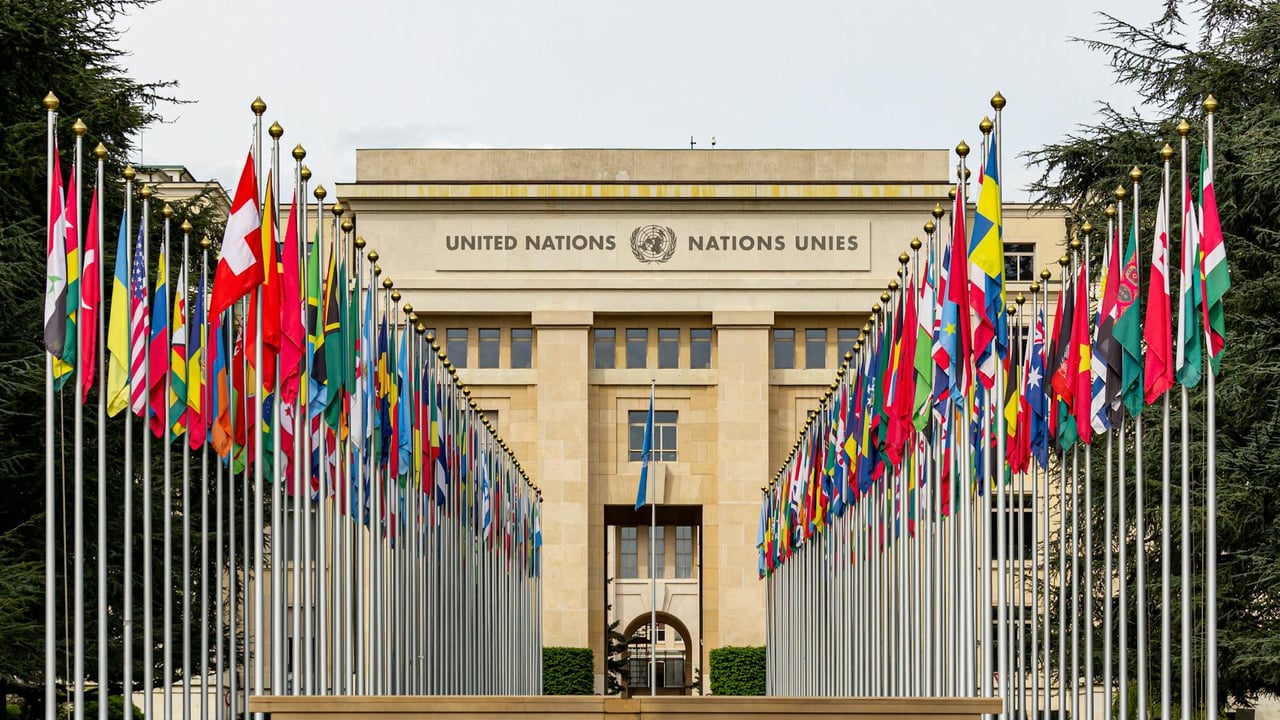
View of the United Nations Office in Geneva adorned with flags of various countries.

Key Takeaways

  • 1China's UN representative formally rejected U.S. accusations during a Security Council session, labeling them as recurring 'smear' campaigns.
  • 2The Chinese delegation accused Washington of 'passing the buck' and failing to take responsibility for international security challenges.
  • 3The rhetoric reflects a broader 'tit-for-tat' diplomatic strategy that has characterized China-U.S. relations in recent years.
  • 4International forums like the UN are increasingly serving as arenas for public ideological competition rather than substantive policy negotiation.

Editor's
Desk

Strategic Analysis

The latest friction at the UN Security Council is less about a specific policy shift and more about the hardening of 'discourse power' as a strategic objective for Beijing. By aggressively refuting U.S. claims in a public forum, China is signaling to the Global South that it will no longer allow the Western narrative to go unchallenged. This assertive stance—often dubbed 'Wolf Warrior' diplomacy in its earlier iterations—has now matured into a systematic institutional approach where China seeks to redefine international norms by positioning the U.S. as the primary source of global instability. Moving forward, this performative friction is likely to remain a permanent fixture of multilateral meetings, potentially making consensus on urgent global crises even more elusive.

China Daily Brief Editorial
Strategic Insight
China Daily Brief

The hallowed chambers of the United Nations Security Council have once again become a primary stage for the intensifying rhetorical war between the world’s two largest powers. In a sharp exchange that highlights the deepening trust deficit, China’s representative delivered a pointed rebuttal to what Beijing characterized as American 'smear tactics' and a calculated attempt to shift global responsibility onto Chinese shoulders.

The confrontation saw the Chinese delegation dismiss U.S. criticisms as a repetitive 'playing of old tunes,' a metaphorical jab frequently employed by Beijing to describe Washington's long-standing policy critiques. This latest friction point underscores a broader shift in Chinese diplomacy, where representatives are increasingly empowered to adopt an assertive, confrontational posture on the international stage rather than adhering to traditional, cautious consensus-building.

Central to the dispute is the Chinese assertion that the United States is actively 'passing the buck' for global crises that Beijing argues are either manufactured or exacerbated by Western intervention. By framing the American stance as a refusal to acknowledge its own role in geopolitical instability, China is attempting to pivot the narrative toward a critique of U.S. hegemony, appealing to a global audience that may be wary of unilateral American influence.

As the Security Council continues to grapple with paralysis on major issues, from regional conflicts to systemic security reforms, such public spats signal a move away from quiet diplomacy. The theater of the UN is no longer just a venue for policy coordination but a critical battleground for the hearts and minds of the international community, where every rebuttal is carefully scripted for both domestic consumption and global perception.

Share Article

Related Articles

📰
No related articles found