
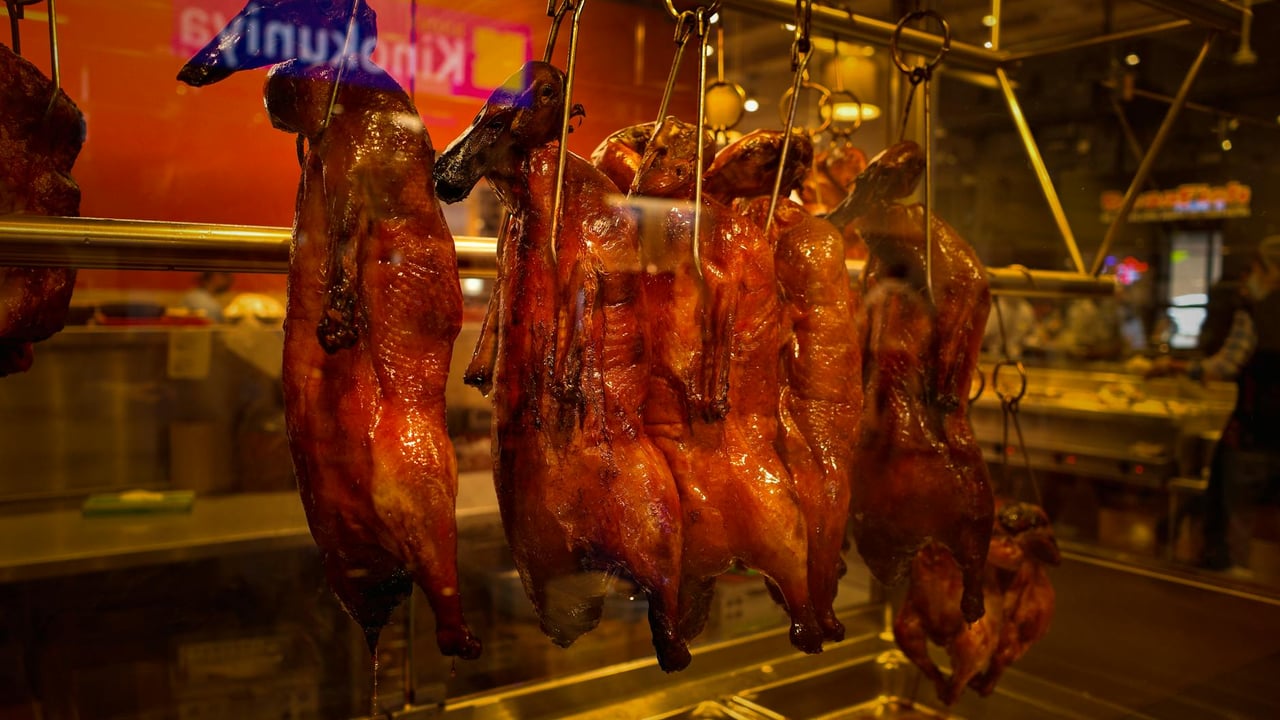

For over 160 years, Quanjude has stood as the undisputed guardian of Beijing’s culinary identity. The iconic roast duck chain, once an essential pilgrimage for any visitor to the capital, famously claimed that a trip to China was incomplete without a walk on the Great Wall and a meal at its tables. Yet, the 2025 financial results suggest that for modern diners, the regret of missing Quanjude is fading as fast as the company’s bottom line.
The numbers paint a stark picture of a heritage brand in retreat. Revenue for 2025 fell to 1.255 billion yuan, a decline of nearly 150 million yuan compared to the previous year. More alarming is the collapse in profitability; net profit plummeted by 77% to a mere 7.75 million yuan. When stripping away government subsidies and non-recurring gains, the storied institution actually posted a core operating loss of over 6.2 million yuan. This fiscal erosion has forced a retreat on the ground, with the company’s store count shrinking from 101 to 97 locations over the past year.
Quanjude’s struggle is a textbook case of the 'Laozihao' (time-honored brand) dilemma: a failure to reconcile historical prestige with modern consumer expectations. On social media platforms like Xiaohongshu, Quanjude has been overtaken by nimbler rivals like Siji Minfu and Bianyifang, which offer superior atmosphere or better value. A standard meal for two at Quanjude now averages 342 yuan, significantly higher than its direct competitors, yet the company’s catering margin sits at a razor-thin 10.71%. High overheads in labor, rent, and ingredients are effectively cannibalizing the premium that the brand once commanded.
Beyond pricing, the brand faces structural 'original sins' inherent to its business model. Quanjude remains heavily tethered to North China, which accounts for 77% of its revenue. Its high-ceremony, dine-in service model has struggled to find a foothold in Southern China’s diverse culinary landscape. Furthermore, the roast duck category itself is under siege; younger consumers increasingly view it as a low-frequency 'special occasion' meal for elders or tourists rather than a repeat-purchase staple. In a market saturated with trendy hotpot and international cuisines, the roasted duck is losing its place in the daily diet.
Management is not standing still, attempting to modernize the brand through experiential dining. Recent efforts include the launch of a 'Sky Siheyuan' concept at its Hepingmen branch and a palace-style redesign at its Wangfuijng flagship. The company is also looking West, opening franchised outlets in New York and Los Angeles in 2025. However, whether interior design and overseas expansion can fix a fundamental disconnect with domestic youth remains the billion-yuan question for this Qing-dynasty relic.