

Elon Musk has once again managed to steady the ship at Tesla, steering the narrative away from cooling electric vehicle demand and toward a high-margin future of artificial intelligence and robotics. The company’s first-quarter 2026 earnings report revealed a striking divergence: while automotive revenue growth is being squeezed by global competition and an aging product lineup, net profit surged by 56% year-over-year. This performance has temporarily silenced critics who feared that the brutal price wars in China and the US would erode Tesla's financial foundations.
The underlying strength of the quarter came from unexpected places. Despite automotive revenue failing to meet Wall Street’s loftier expectations, Tesla’s vehicle gross margin, excluding regulatory credits, climbed to 19.2%. This resilience was driven by significant manufacturing cost reductions and a windfall from federal tariff refunds following a major Supreme Court ruling. Most impressively, the company generated $1.44 billion in positive free cash flow, defying analyst projections of a billion-dollar loss due to massive infrastructure spending.
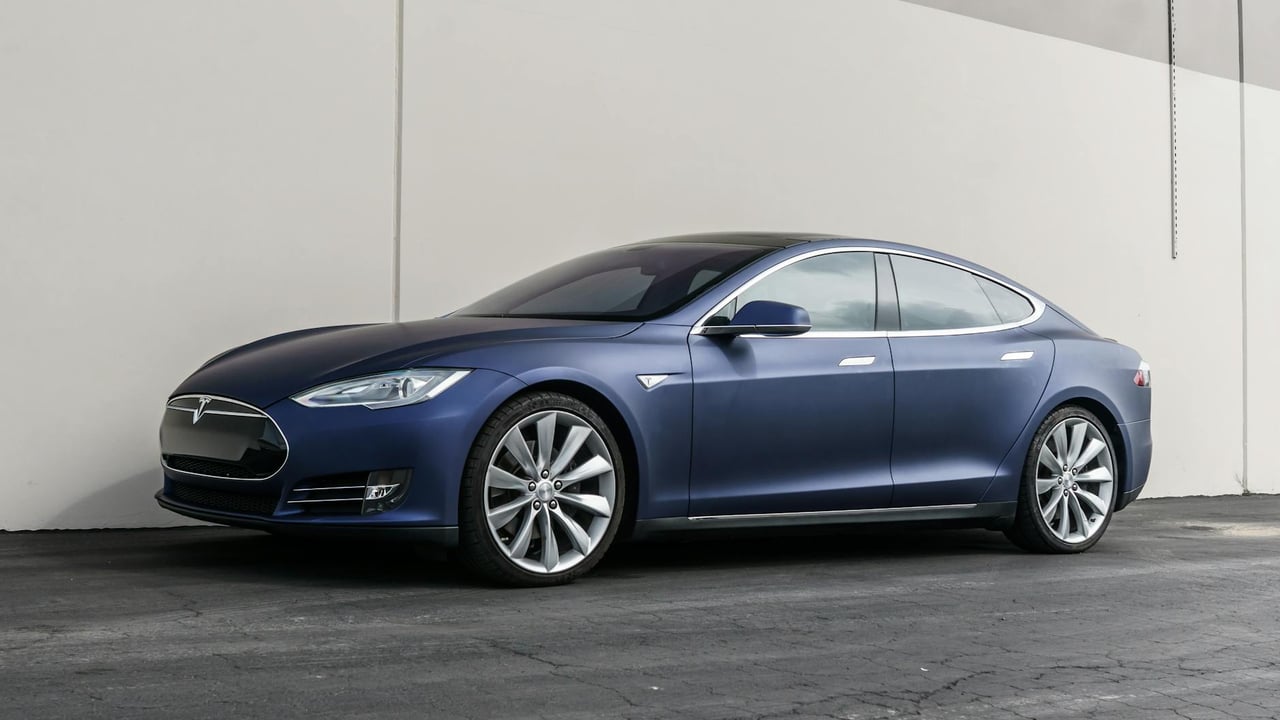
Tesla is clearly entering a transitional phase, moving away from its identity as a pure-play automaker. The formal end of Model S and Model X production in California marks the end of an era, as those assembly lines are repurposed for the Optimus humanoid robot. Musk is doubling down on the 'Cortex 2' supercomputing cluster and the next-generation AI 5 chips, signaling that Tesla’s primary product is now the intelligence that drives its machines rather than the chassis that house them.
In the autonomous space, the expansion of 'unsupervised' Robotaxi trials in Texas and the recent regulatory approval of Full Self-Driving (FSD) in Europe suggest that the long-promised software-as-a-service model is finally materializing. While Chinese rivals like BYD and Xiaomi continue to challenge Tesla on hardware pricing and variety, Musk is betting that vertical integration—from custom silicon to autonomous fleets—will create a moat that traditional manufacturers simply cannot bridge. The quarterly results suggest that for now, the market is willing to buy into this vision of 'amazing abundance.'