
# FSD
Latest news and articles about FSD
Total: 10 articles found
Semantic Submission: Tesla Renames FSD for its High-Stakes China Launch
Tesla has officially rebranded its "Full Self-Driving" software to "Tesla Assisted Driving" in China to comply with local L2 autonomous driving regulations. The price remains unchanged at 64,000 yuan as the company prepares for a nationwide rollout following major data compliance breakthroughs.
Tesla’s Semantic Pivot: Why ‘Full Self-Driving’ is Vanishing from the Chinese Market
Tesla China has officially rebranded its premium FSD software as ‘Tesla Assisted Driving,’ removing all references to autonomous driving from its website while maintaining the current price of 64,000 RMB. This tactical move aligns the company with Chinese regulatory standards and manages consumer expectations as it prepares for a wider rollout of its supervised driving tech.
Tesla’s Driverless Leap: The Cybercab Enters Mass Production
Tesla has officially commenced mass production of the Cybercab, a vehicle designed entirely without steering wheels, pedals, or mirrors. This launch signals Tesla's definitive shift toward a robotaxi-centric business model and a future of fully autonomous urban mobility.
Tesla’s Supervised FSD in China: A Technological Leap or a Marketing Mirage?
Tesla's 'Supervised FSD' launch in China is being scrutinized as a Level 2 driver-assistance system that trails the Level 3 aspirations of local rivals. While it serves as a marketing tool to boost sales, Tesla faces significant hurdles regarding data localization, hardware compatibility for older models, and a mature competitive landscape dominated by Huawei and Xpeng.
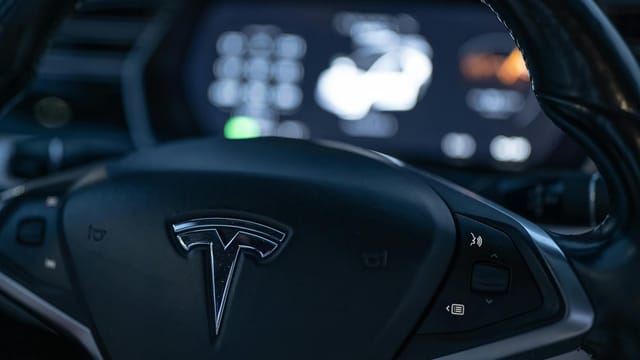
Tesla’s Algorithmic Ambition: Supervised FSD Primed for the Chinese Thresher
Tesla has officially confirmed the imminent launch of its Supervised Full Self-Driving (FSD) system in China, supported by a significant hiring push for local test engineers. The company is currently navigating final regulatory approvals to introduce the 64,000 RMB software package to the world's most competitive electric vehicle market.
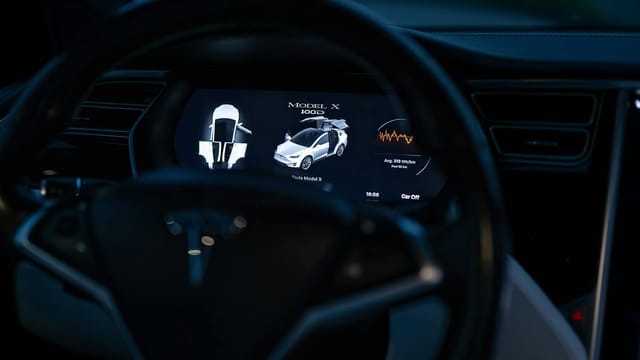
Musk’s $25 Billion AI Bet: Tesla’s Pivot to Robotics Faces a High-Stakes Reality Check
Tesla reported 2026 Q1 earnings that beat expectations but signaled a pivot toward heavy capital expenditure, with $25 billion earmarked for AI and robotics. While Elon Musk touts Optimus and Robotaxis as the company's future, production challenges and hardware limitations for older FSD systems remain significant hurdles.
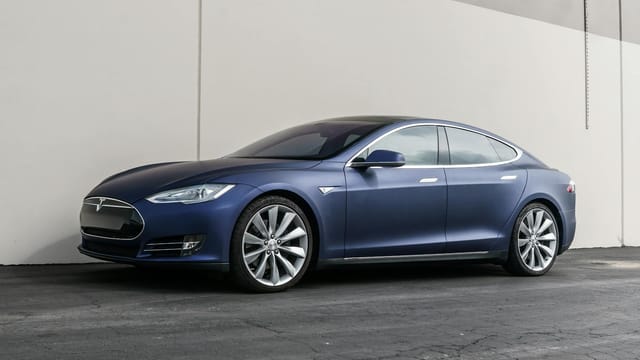
Tesla’s Strategic Pivot: Trading Sales Growth for AI Dominance and Margin Resilience
Tesla's Q1 2026 results reflect a strategic pivot where robust profit margins and surprise cash flow have offset a slowdown in vehicle sales. Elon Musk is successfully shifting the company's focus toward AI, Robotaxis, and the Optimus robot factory, effectively repositioning Tesla as a technology platform rather than a traditional car manufacturer.
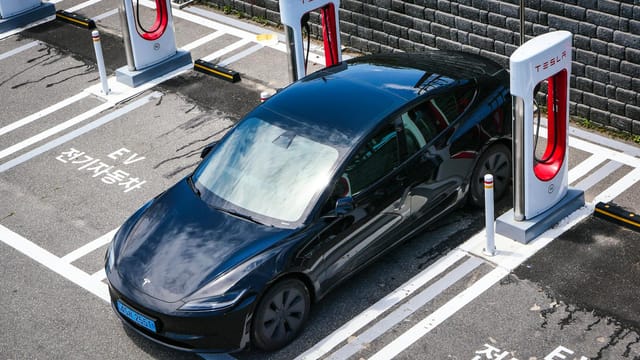
Tesla’s Pivot: From Carmaker in Retreat to AI Bet Worth $1.4tn — Can the Math Add Up?
Tesla’s 2025 results expose a company at a crossroads: vehicle deliveries and automotive margins have declined while investors have re‑priced the firm around an AI and energy future. Energy storage is the clearest near‑term bright spot, but Robotaxi, FSD and Optimus remain high‑risk, long‑dated bets whose commercial payoff will decide whether Tesla’s trillion‑dollar valuation is justified.

Musk at Davos: China Holds the Key to Powering an AI Future as Tesla Counts Down to FSD and Optimus Sales
At Davos, Elon Musk argued that electricity — not chips — will be the binding constraint on large-scale AI and robot deployment, praising China’s massive solar build-out as the practical remedy. He set aggressive timelines for RoboTaxis, FSD regulatory approvals in Europe and China, Optimus humanoid sales by late 2027, and space-based AI data centres enabled by fully reusable Starship launches.
Musk Doubles Down on Optimus: Tesla’s Bid to Become a Robot Company — Hype or Strategic Pivot?
Elon Musk says Tesla is “very likely” to evolve into a robotics company centred on the Optimus humanoid, asserting the business could dwarf Tesla’s current automotive operations. The claim follows weak global car sales and regulatory pressure on Tesla’s driving software, but turning a prototype humanoid into a mass‑market product faces steep technical, economic and regulatory hurdles.