

At the 2026 Beijing International Automotive Exhibition, the sheer scale of BYD’s presence signaled a definitive shift in the global automotive pecking order. Occupying the entirety of Hall E3, the Shenzhen-based giant moved beyond its reputation as a cost-efficient manufacturer to position itself as a master of both ultra-luxury performance and high-tier intelligence. The company’s four-brand strategy—Dynasty/Ocean, Fangchengbao, Denza, and Yangwang—was displayed as a cohesive ecosystem designed to capture every segment of the market.
Technological sovereignty was the central theme of the showcase, particularly with the debut of the 'God’s Eye 5.0' intelligent driving system. BYD demonstrated a significant leap in software-defined mobility, showcasing autonomous parking and scene-adaptive driving that rivals the best of Western and domestic competitors. This focus on intelligence marks a strategic pivot for a company that has historically relied on its battery prowess to secure market share.
Hardware innovations remain a core pillar of the company’s moat, evidenced by the unveiling of the second-generation Blade Battery. A dedicated 'Flash Charging' zone highlighted the ability to charge vehicles at temperatures as low as -30°C, a direct challenge to the traditional limitations of EVs in colder climates. By addressing these fundamental consumer anxieties, BYD is effectively removing the remaining barriers to mass-market adoption globally.
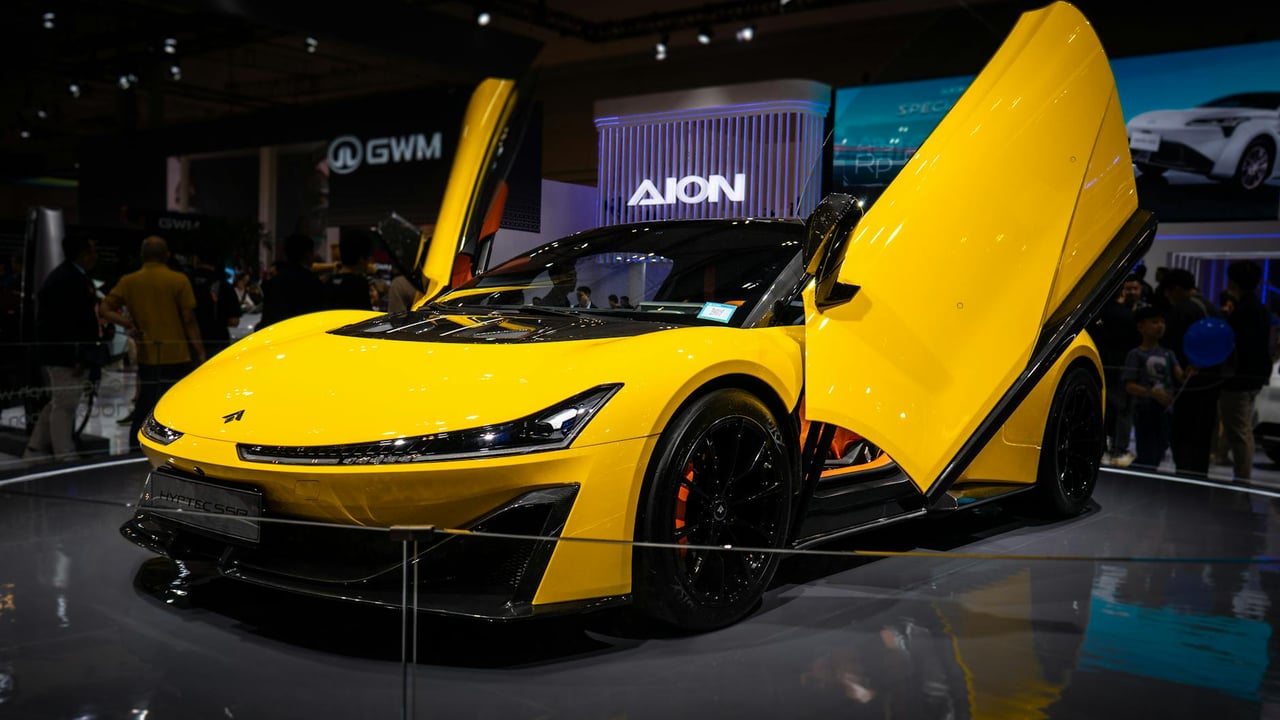
The high-performance segment saw the world premiere of the Denza Z, a smart electric supercar that headlines the brand’s push into the luxury tier. Combined with the Yangwang U9X and the new Fangchengbao sedan series, BYD is no longer content with dominating the budget-friendly category. These models serve as technological flagships, proving that Chinese engineering can now compete at the highest levels of automotive prestige and mechanical complexity.
Looking beyond domestic borders, BYD’s international trajectory remains aggressive, with a stated target of 1.5 million overseas sales for 2026. Having already exported over 2 million vehicles to 120 countries, the company is transitioning from a simple exporter to a localized global player. With its own shipping fleet and burgeoning overseas factories, BYD is constructing a vertically integrated supply chain that is increasingly insulated from geopolitical headwinds and logistical volatility.