
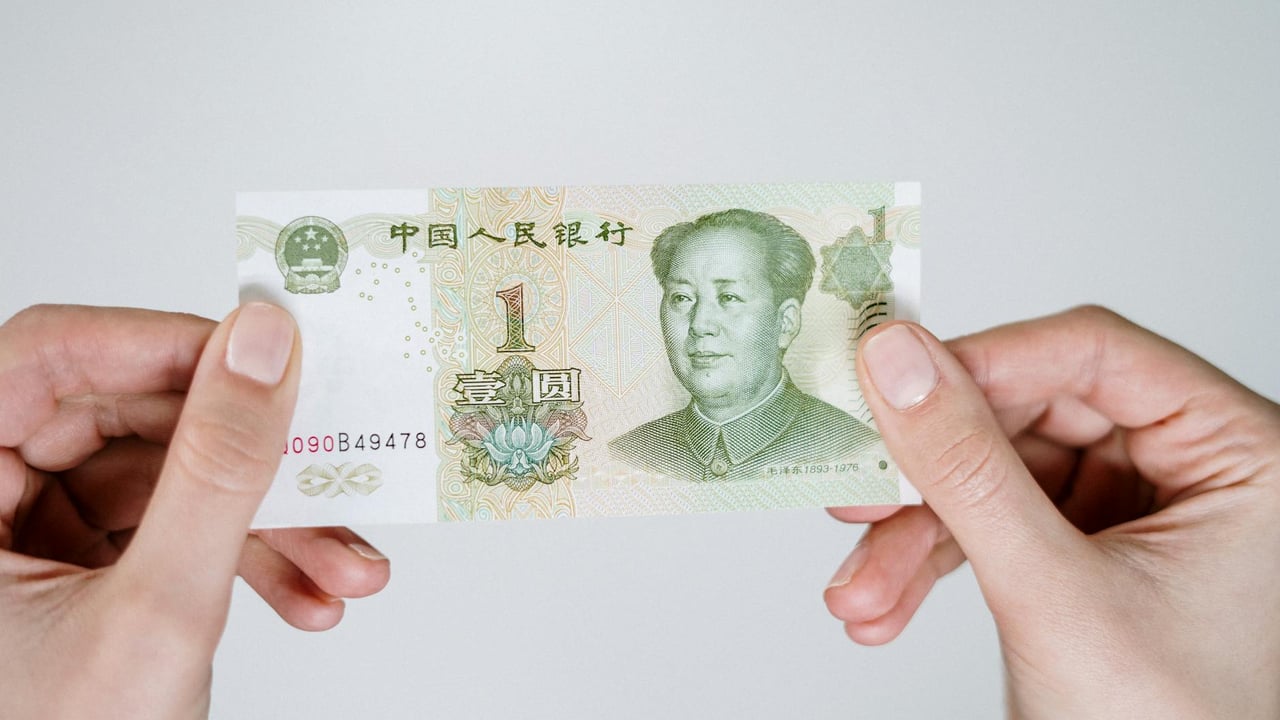

In the first quarter of 2026, China’s outbound footprint continued to expand in aggregate value, even as the nature of that capital deployment underwent a significant structural transformation. Data released by the Ministry of Commerce and the State Administration of Foreign Exchange reveals that total outward direct investment (ODI) reached 3094.5 billion yuan, marking a 5.4% increase year-on-year. When measured in U.S. dollars, the growth was even more pronounced at 8.9%, bringing the total to $445.3 billion.
However, beneath the surface of these headline gains lies a notable contraction in the real-economy segment of overseas expansion. Non-financial direct investment, which covers sectors like manufacturing, construction, and technology across 140 countries, fell by 9.1% in yuan terms to 2328.6 billion. This decline signals a cautious recalibration by Chinese enterprises as they navigate an increasingly complex global regulatory environment and tightening scrutiny on industrial acquisitions.
The divergence between total ODI growth and the dip in non-financial investment points toward a surge in financial-sector activity and capital reallocation. With 4,111 offshore entities receiving Chinese backing this quarter, the breadth of engagement remains vast, but the depth of individual industrial commitments appears to be thinning. This trend likely reflects a strategic pivot toward liquid assets and financial services as firms seek to mitigate the risks associated with long-term, physical infrastructure projects abroad.
For global markets, this data illustrates a China that is no longer simply buying the world through brick-and-mortar assets. Instead, Beijing is maturing into a more complex financial actor, balancing its strategic Go Global ambitions with the realities of a fragmented global trade order. As the year progresses, the focus will remain on whether these financial flows translate into renewed industrial influence or represent a defensive hedging strategy by Chinese capital.