
# SAFE
Latest news and articles about SAFE
Total: 6 articles found

China August Cross-Border Inflows Rise as Forex Settlement Reaches $48.5B
Net cross-border receipts climbed 4 percent month on month to $62.4 billion, supported by robust goods trade and falling dividend remittances.
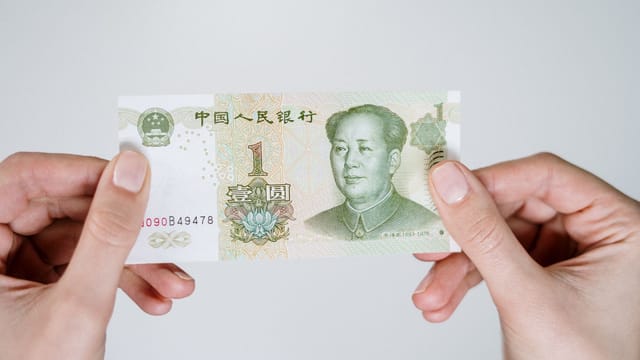
China Expands Cross-Border Multi-Currency Fund Pooling Rules Nationwide
Financial regulators ease treasury management and lower qualification thresholds for multinational corporations operating in China.

China Posts $379.4 Billion Current Account Surplus in First Half of 2026
A robust goods trade surplus of $526.3 billion offset the services deficit during the first six months of the year, according to official foreign exchange data.

China Expands Cross-Border Multi-Currency Fund Pooling Nationwide for Mid-Sized Multinationals
The People's Bank of China and SAFE expand cross-border centralised fund operations, lowering thresholds to help smaller multinationals streamline liquidity.

China Foreign Exchange Regulator Updates Catalogue of Active Regulations
The updated list compiles 168 effective foreign exchange rules across eight categories through mid-2026.

China's Foreign Exchange Regulator Outlines Key Reforms and Risk Controls for H2 2026
SAFE plans nationwide expansion of cross-border fund pooling, new trade facilitation rules, and legal updates to maintain financial stability.