
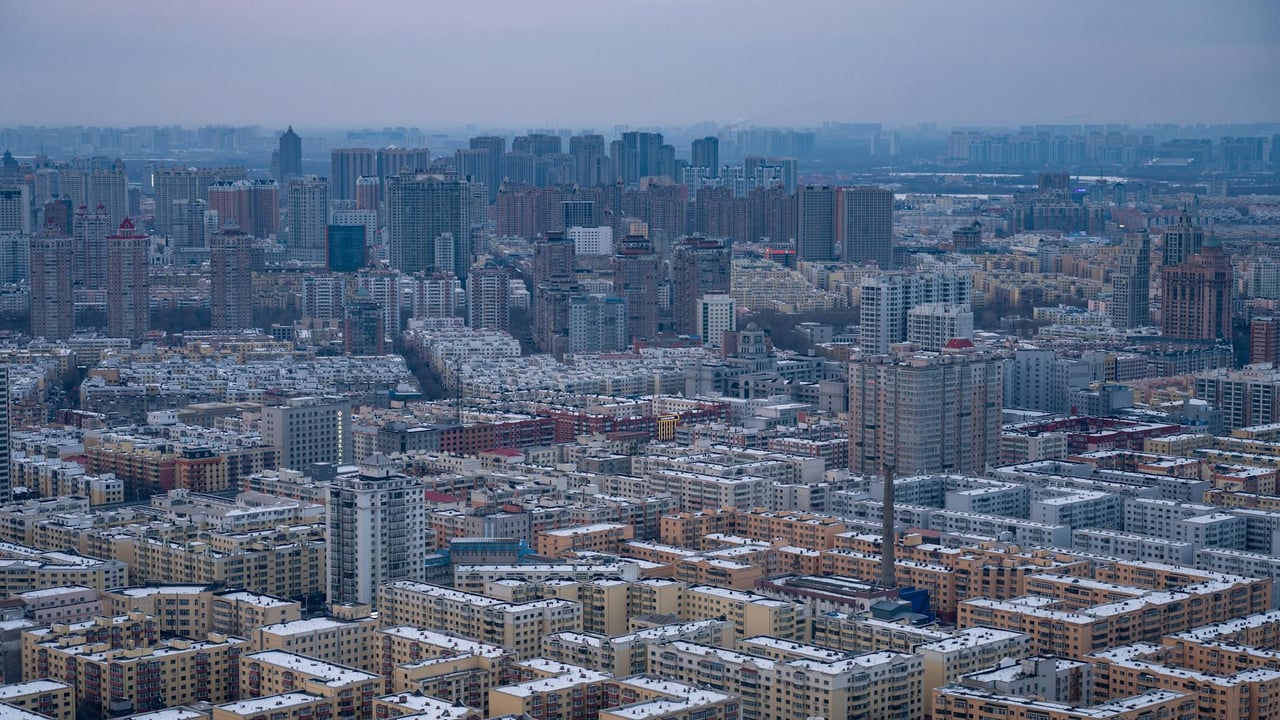

China's Northeast, once the industrial heartbeat of the nation, is now the epicenter of a demographic winter. In the five years leading up to early 2026, the region—comprising Heilongjiang, Jilin, and Liaoning—shed roughly four million residents. This exodus highlights the profound systemic challenges facing a post-industrial territory that was once the envy of the socialist planned economy.
Within this broader decline, a distinct 'single-center siphon' has emerged. Liaoning province, anchored by the coastal hub of Dalian and the provincial capital of Shenyang, has become a regional magnet by cannibalizing its neighbors. Data reveals that Liaoning is the only province in the region recording net migration inflows, largely drawing from the collapsing labor pools of Heilongjiang and Jilin.
This internal migration is driven by a structural disparity in economic resilience. Unlike its more landlocked and resource-dependent neighbors, Liaoning maintains a diversified industrial base and crucial maritime trade routes. This makes it the 'last interceptor' in a tiered migration flow, absorbing human capital from the deep interior before those individuals eventually migrate further south to Beijing or the Yangtze River Delta.
However, Liaoning’s migration gains are largely a demographic mirage. While the province recorded a modest net inflow of 45,000 people in 2025, its natural population decrease—where deaths exceed births—reached a staggering 285,000. The region is not just losing people to more prosperous provinces; it is failing to reproduce itself, with the lowest birth rates and highest aging profiles in all of China.
The outlook remains precarious as the province's economic engine begins to sputter. By early 2026, Liaoning’s GDP growth plummeted to 2.8%, the lowest in the country. Without a genuine economic revival that creates high-value jobs, the internal reshuffling of the Northeast’s population is merely a temporary reprieve before a final, terminal contraction of the regional economy.