
# Liaoning
Latest news and articles about Liaoning
Total: 15 articles found

Liaoning’s Rival Giants Forge an Uneasy Alliance to Avert Economic Decline
Liaoning Province is transitioning from a competitive 'Dual Core' model to an integrated 'Shenyang-Dalian Economic Corridor' to combat stagnant GDP growth. This strategic pivot aims to harmonize the industries of the province's two largest cities to reverse their declining share of the regional economy.
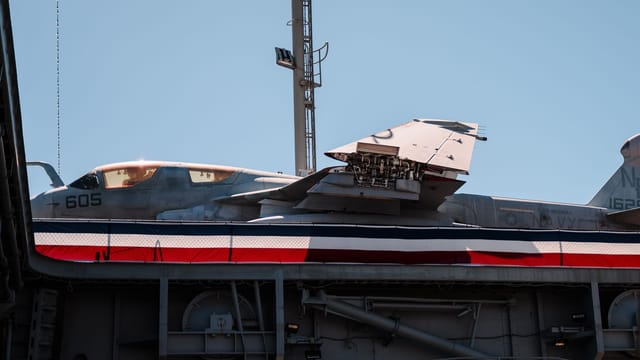
The Stealth Leap: China’s J-35 Integration Upends the Naval Balance in the West Pacific
China has successfully tested its J-35 stealth fighter on ski-jump carriers, granting all three of its current carriers fifth-generation combat capabilities. This development shifts the tactical balance in the West Pacific, allowing China to potentially outnumber U.S. carrier presence in the region while offering a more capable alternative to the U.S.-led 'Lightning Carrier' doctrine.
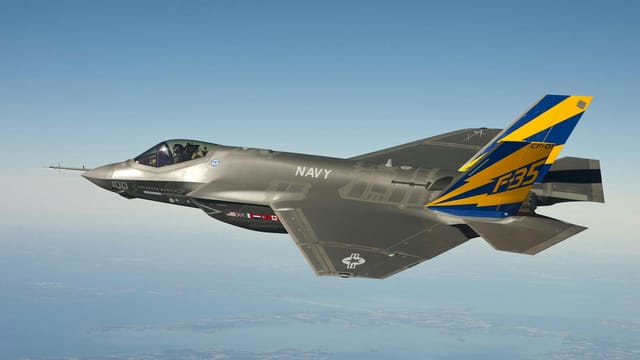
From Relic to Rival: China’s Liaoning Silences Critics with J-35 Integration
The Liaoning aircraft carrier's recent deployment with the J-35 stealth fighter marks a strategic milestone for the Chinese Navy, refuting years of Western skepticism. By integrating 5th-generation aviation and advanced escort ships, China is rapidly closing the qualitative gap with US carrier strike groups in the Western Pacific.
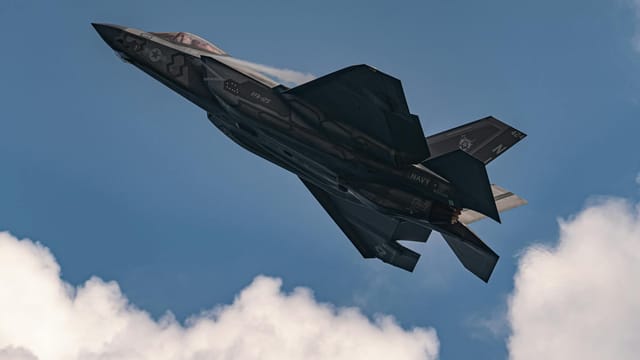
China’s Stealth Leap: How the J-35 is Set to Transform Its Aging Carrier Fleet
Recent PLA Navy drills in the West Pacific have confirmed the J-35 stealth fighter's compatibility with China's older ski-jump carriers. This development provides a massive upgrade to the combat power of the Liaoning and Shandong, allowing for flexible, cross-carrier deployment of China's most advanced naval aircraft.

The Sentinels of Memory: How a Family’s 88-Year Vigil Reflects China’s Red Resurgence
A family in Liaoning province has maintained an 88-year vigil over the tomb of 24 anti-Japanese martyrs, a duty that has transitioned from a private family tradition to a state-supported site for 'red education.' As China commemorates the 80th anniversary of World War II, such local narratives are being integrated into a broader national project to institutionalize revolutionary memory and reinforce ideological loyalty.
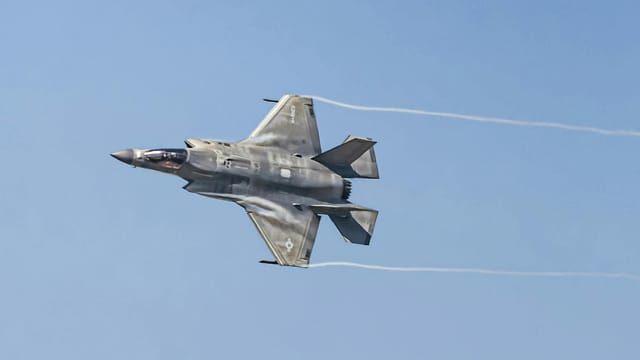
From Ski-Jumps to Stealth: The Rapid Maturation of China’s Carrier Wing
China celebrates 13 years of carrier-based aviation by showcasing the J-35 stealth fighter's integration with the Fujian's electromagnetic catapults and its first dual-carrier strike group exercises. This shift signifies the PLAN's transition from a coastal defense force to a sophisticated blue-water navy capable of high-tech power projection.
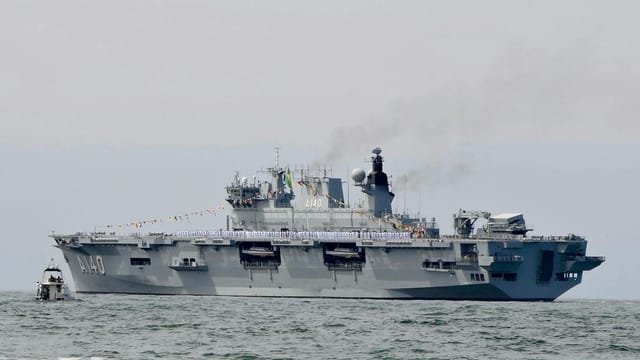
Blueprint for Blue Water: The Secret 1980s Origins of China’s Carrier Ambition
Project 891, a secret naval program launched in 1989, reveals that China's aircraft carrier ambitions began decades earlier than previously understood. The project focused on catapult-assisted takeoff designs and carrier-based aircraft, providing the essential technical groundwork for the modern People's Liberation Army Navy.

The Last Stand of the Rust Belt: How Liaoning Siphons Its Neighbors as Northeast China Shrinks
Northeast China has lost 4 million people in five years, with Liaoning province acting as a temporary 'siphon' for residents from neighboring Heilongjiang and Jilin. Despite this internal migration gain, Liaoning's rapid natural population decline and stalling GDP growth suggest the region's demographic crisis is entering a terminal phase.
The 4.4-Second Legacy: China’s Carrier Ambitions and the Human Cost of Naval Power
The tenth anniversary of carrier pilot Zhang Chao’s death highlights the human and technical costs of China’s maritime expansion. Zhang’s decision to attempt to save his aircraft rather than eject has been institutionalized as a symbol of the 'heroic spirit' driving the PLAN's carrier program.

Justice Delayed: Chinese Police Negotiate Compensation for Gold Seized Three Decades Ago
After a 30-year legal battle, police in Liaoning Province are finally negotiating a settlement with a man whose 2.86kg of gold was seized without a conviction in 1996. The case highlights long-standing issues with property rights and the influence of media exposure on judicial accountability in China.
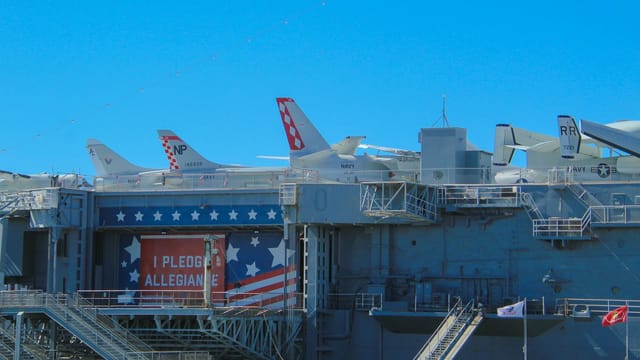
From Welding Bay to Warship: A Chinese Welder Builds Stainless-Steel Aircraft Carriers by Hand
A self-taught welder in Yantai, Ren Bailin, spent more than a decade building large stainless-steel aircraft-carrier models that simulate catapults, flames and waterborne movement. His work reflects both China’s grassroots maker culture and popular fascination with the country’s carrier programme, and a local museum plans to exhibit his models in June.
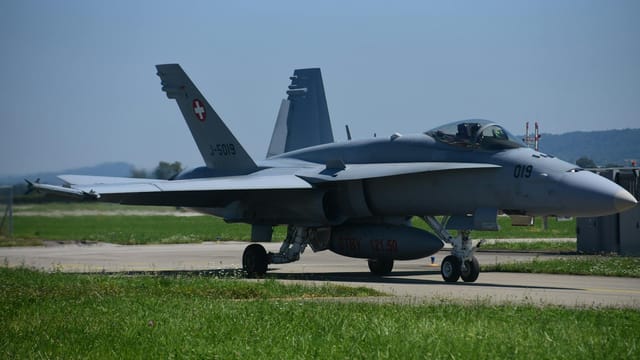
Japan’s F-35Bs in Kyushu Raise the Stakes in a Quiet Air-Sea Contest with China
Japan has forward-deployed F-35B stealth jets to a base on Kyushu and declared a high training tempo, partly to offset surveillance risks at a planned island facility. The move tightens Japan’s ability to contest Chinese carrier movements but highlights a larger systems race: China’s expanding carrier fleet, land-based stealth fighters and tanker support will increasingly shape operational outcomes in the East and South China Seas.