
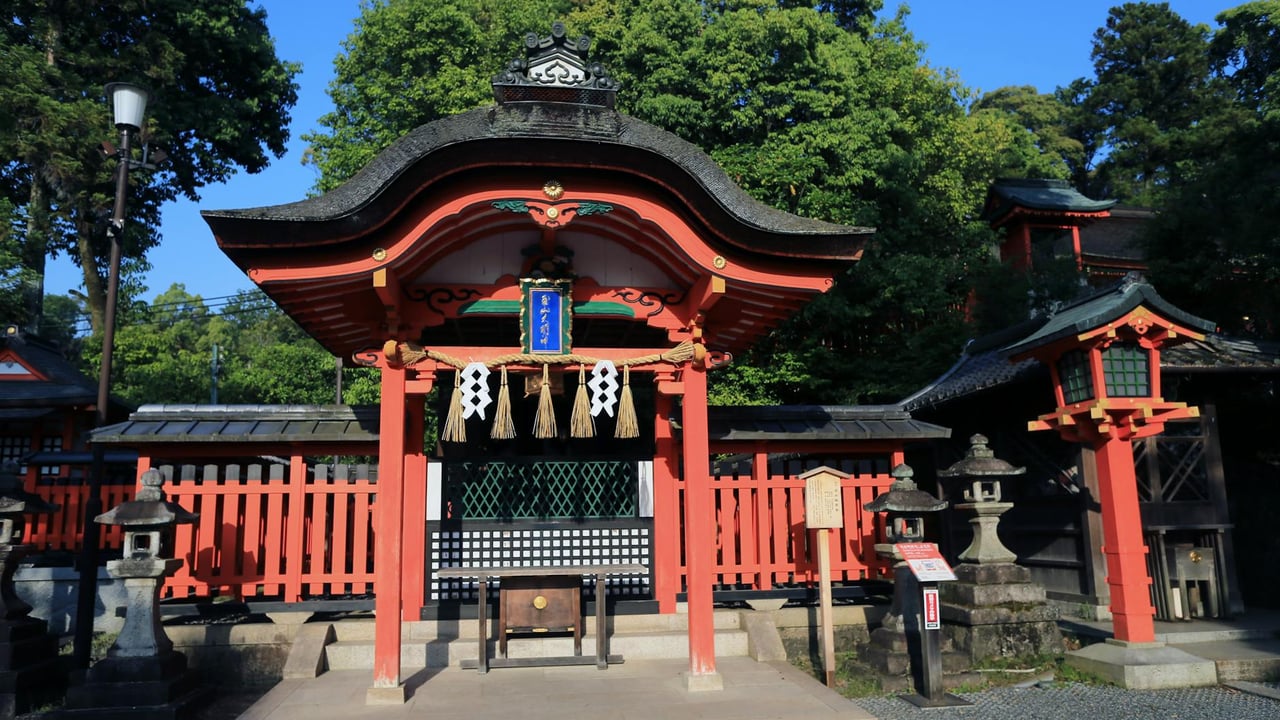

Beijing has once again unleashed a torrent of diplomatic fury toward Tokyo, signaling that the historical grievances of the 20th century remain as potent as ever in the 21st. The Chinese Ministry of Foreign Affairs expressed "strong indignation" following a series of what it termed "negative movements" by Japanese officials regarding the Yasukuni Shrine. This site, which honors 2.5 million war dead including 14 convicted Class-A war criminals, remains the most sensitive barometer of Japan's relationship with its neighbors.
The timing of these condemnations often aligns with major festivals or political milestones, serving as a ritualized exchange of grievances that has defined Sino-Japanese relations for decades. To Beijing, any official Japanese recognition of the shrine is not merely a domestic religious matter but a public endorsement of Japan's imperialist history and a direct affront to the victims of wartime aggression. This latest flare-up suggests that despite back-channel efforts to stabilize trade, the ideological gap between the two powers remains unbridgeable.
Observers note that the rhetoric from the Chinese Foreign Ministry has become increasingly sharp as Japan aligns more closely with Western security architectures. By framing the Yasukuni issue as a lack of "sincere reflection" on history, Beijing aims to maintain the moral high ground in regional disputes and exert pressure on Tokyo's leadership. This cycle of provocation and condemnation reinforces a state of "cold peace" where economic interdependency fails to mitigate deep-seated political mistrust.
Ultimately, the persistent friction over historical memory complicates any path toward a unified East Asian security framework. While Tokyo argues for its right to honor its fallen, Beijing views these actions as a litmus test for Japan's commitment to a peaceful regional order. As both nations modernize their militaries, the ghosts of the past continue to haunt the strategic calculations of the present, ensuring that historical revisionism remains a central pillar of Chinese diplomatic messaging.