
# East Asian Security
Latest news and articles about East Asian Security
Total: 17 articles found

A New Geopolitical Chill: Beijing Plays the Seoul Card Against a Rearming Tokyo
As Japan’s Takaichi administration pushes for increased military capabilities, Beijing is countering by strengthening ties with South Korea’s new progressive government under Lee Jae-myung. This shift marks a significant reversal in regional alliances, with China utilizing historical grievances and trade leverage to isolate Tokyo and weaken the U.S.-led trilateral security framework.

Seoul’s Sovereignty Standoff: The High-Stakes Timeline to Reclaiming Military Command
South Korea aims to establish a definitive timeline for the return of wartime operational control (OPCON) from the U.S. by late 2026. Despite political pressure from Seoul for a 2027 transfer, technical disagreements with Washington regarding military readiness persist.
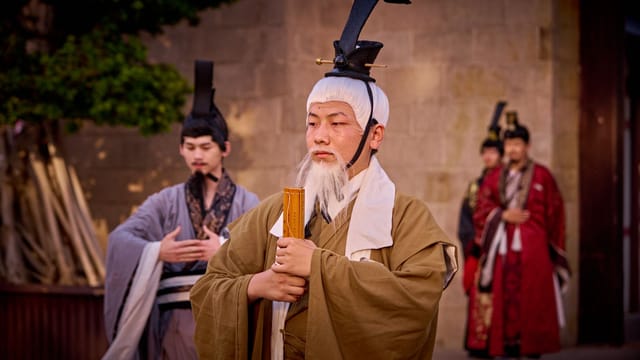
The Passing of an 'Old Friend': Why Beijing Mourns the Architect of Sino-Japanese Reconciliation
The death of veteran Japanese statesman Yohei Kono has been met with high-level condolences from Beijing, which honored him as a lifelong 'old friend.' His passing underscores the loss of moderate, pro-engagement voices in Japanese politics as regional tensions continue to rise.
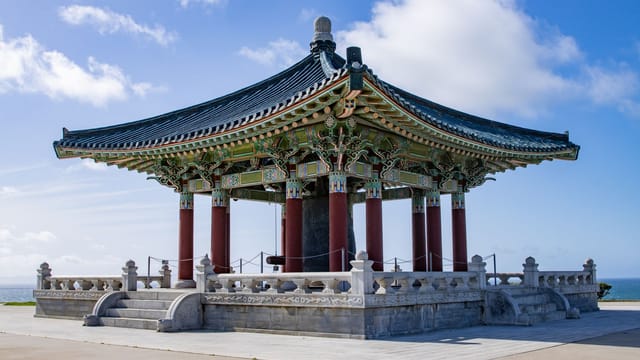
The Hermit Kingdom’s Anchor: Xi Jinping’s Strategic Re-engagement with Pyongyang
President Xi Jinping's upcoming visit to North Korea, his first in seven years, marks a major strategic re-alignment timed with the 65th anniversary of their bilateral friendship treaty. The visit highlights China's role as Pyongyang's primary patron and a central player in regional security dynamics.

Echoes of Loyalty: Beijing and Pyongyang’s Enduring Strategic Bond
Chinese state media is highlighting the historical and strategic depth of the China-North Korea relationship, signaling a reinforced alliance amidst rising Indo-Pacific tensions. The narrative emphasizes the 'unforgettable' nature of their bond to serve as a diplomatic signal of mutual support and regional stability.

Strategic Autonomy: China Signals an Independent Path for Korean Peninsula Diplomacy
China's Foreign Ministry has declared it will pursue a political settlement for the Korean Peninsula 'in its own way,' signaling a rejection of Western-led pressure strategies. This move emphasizes Beijing's role as a primary power broker and its preference for regional stability over the U.S. focus on immediate denuclearization.
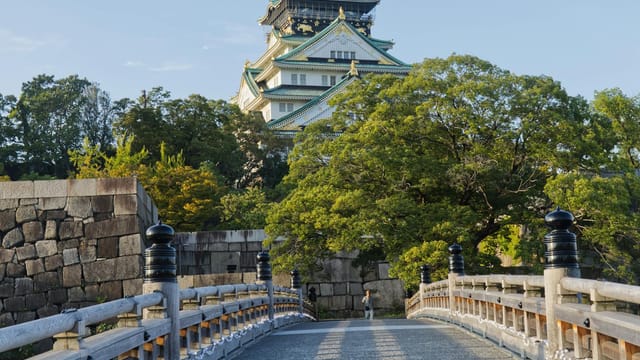
Japan’s Hard-Power Pivot: Domestic Dissent Over the Erosion of the ‘Peace Constitution’
As Japan increases its defense budget and pushes for constitutional revisions, domestic legal experts warn that these moves threaten regional trust and prioritize military hardware over social welfare. The debate highlights a growing rift between the government's pursuit of a 'normal' military status and the pacifist ideals of the legal and civil sectors.
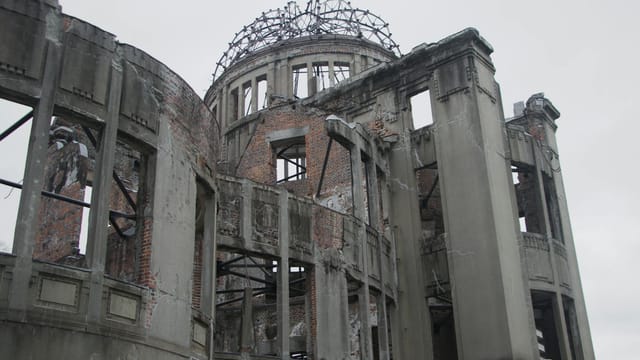
Beijing’s Persistent History Card: China Reaffirms ‘Ironclad’ Evidence of Japanese Wartime Crimes
China’s Ministry of Foreign Affairs has intensified its criticism of Japan’s wartime record, using forceful language to describe historical atrocities as indisputable. This strategic use of history aims to constrain Japan’s current defense ambitions while reinforcing China’s moral authority in the Asia-Pacific region.
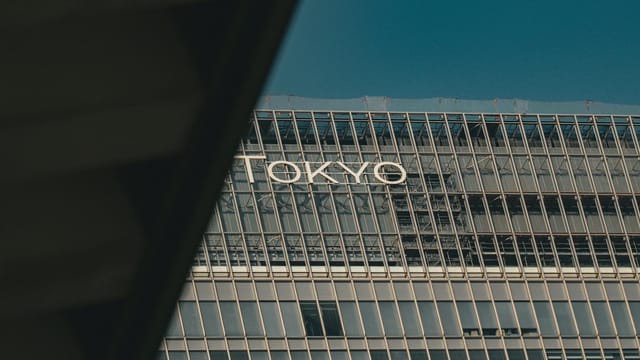
Tokyo’s Long Shadow: Why the Legacy of 1946 Remains the Front Line of East Asian Diplomacy
As the 80th anniversary of the Tokyo Trial nears, Chinese scholars argue that defending the tribunal's legacy is essential to maintaining the post-war international order. The trial's findings are viewed as a critical legal tool to counter modern Japanese revisionism and potential remilitarization.
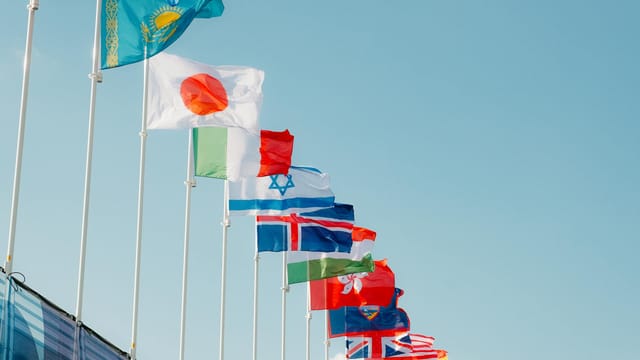
Beijing Sounds Alarm Over Japan’s Quest for Constitutional Normalization
China's Foreign Ministry has issued a sharp rebuke against efforts by Japanese conservative factions to amend the country’s pacifist constitution, calling such moves unpopular and a threat to regional stability. Beijing remains hyper-vigilant regarding Tokyo’s shift toward a more proactive defense posture and its potential impact on the East Asian security balance.

The Gavel’s Echo: Why the Tokyo Trials Remain a Geopolitical Flashpoint 80 Years On
On the 80th anniversary of the Tokyo Trials, Chinese analysts warn that Japan is entering a dangerous phase of 'Neo-Militarism' characterized by historical revisionism and aggressive rearmament. The legacy of the post-war tribunal is being leveraged as a crucial legal barrier against Tokyo's attempts to dismantle the pacifist order and expand its military influence in the Asia-Pacific.
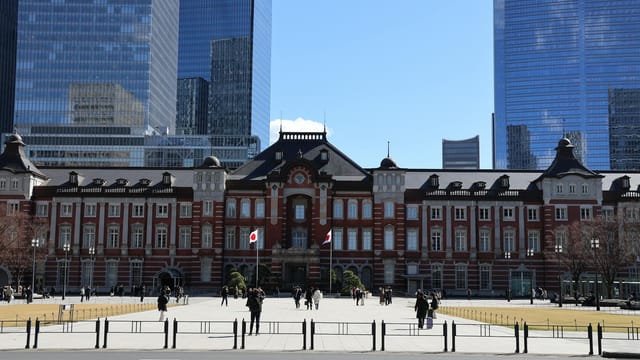
Echoes of 1946: Beijing’s Warning Against Japan’s Emerging ‘New Militarism’
Chinese analysts are using the 80th anniversary of the Tokyo Trials to warn against Japan's 'New Militarism,' characterized by increased defense spending and historical revisionism. They argue that Tokyo's strategic shifts and attempts to revise its pacifist constitution pose a direct threat to the post-war international order established in 1945.