
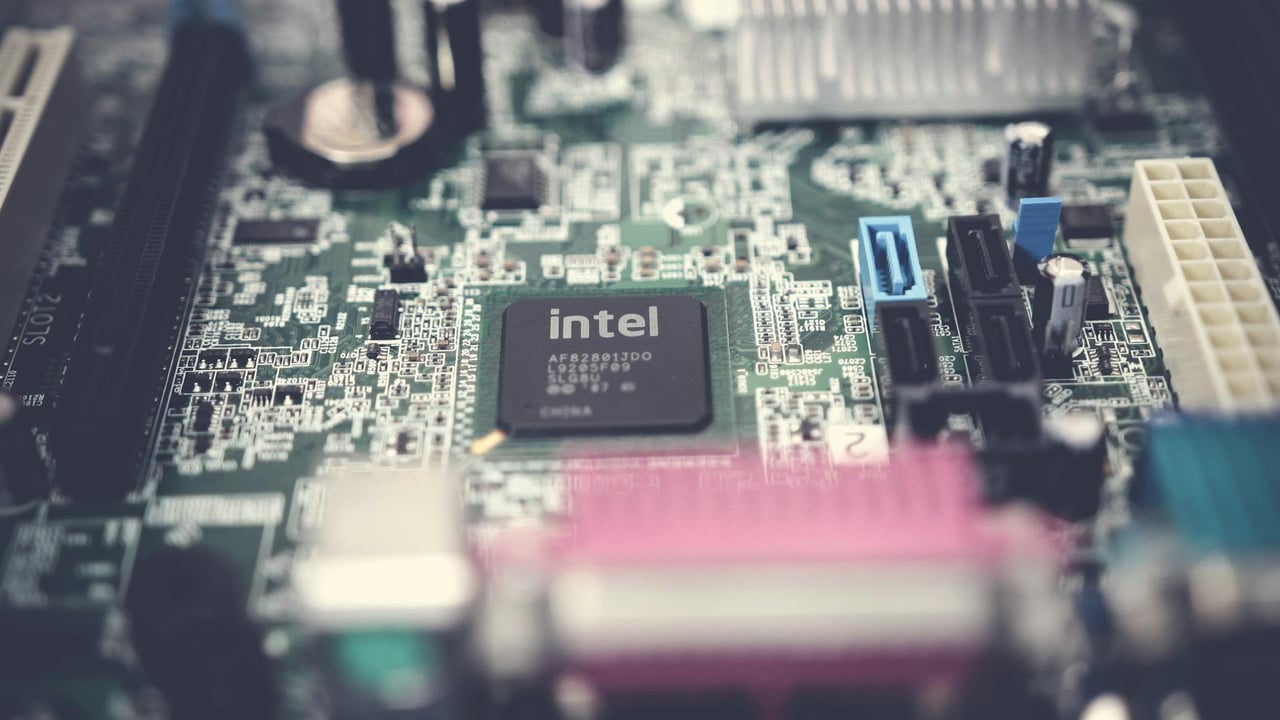

The Chinese A-share market opened with a palpable sense of caution on April 29, as all three major indices retreated in early trading. The Shanghai Composite dropped 0.41% to 4061.82 points, while the tech-heavy ChiNext and STAR 50 indices faced steeper declines of 0.51% and 0.98% respectively. This broad-based weakness was particularly evident in the semiconductor and wind power sectors, which led the morning's downward trend amidst shifting global risk appetites.
Market heavyweights and retail favorites alike are feeling the squeeze of a complex macroeconomic environment. Wuliangye, a titan of the domestic liquor industry and a traditional 'safe haven' stock, saw its share price tumble to a four-year low, signaling a deeper reassessment of consumer staples. Meanwhile, niche high-tech sectors such as Co-packaged Optics (CPO) and computing power rental faced significant volatility, with some individual players like Hongjing Technology plunging over 10% in the opening minutes.
Despite the immediate sell-off, institutional analysts remain focused on long-term industrial cycles. China International Capital Corp (CICC) suggests that the current growth-style rotation is a necessary response to global macro uncertainty, including fluctuating oil prices and lingering geopolitical tensions in the Middle East. As these external tail risks begin to stabilize, CICC argues that high-景气 (high-prosperity) sectors—specifically those tied to the Artificial Intelligence breakthrough seen since March—will likely return to a dominant market position.
On the policy front, new carbon neutrality assessment measures are beginning to reshape the industrial landscape. Analysts from CITIC Securities highlight that these regulations are acting as a supply-side catalyst for the chemical sector. While the market has yet to fully price in the structural rise of oil price floors, the underlying competitive advantage of China’s core chemical and energy assets remains a critical focus for investors looking beyond the immediate morning dip.