Through the Looking Glass: Apple’s iOS 27 Strategy to Turn the iPhone Camera into a Cognitive Portal

Apple plans to introduce a 'Siri Mode' and 'Visual Intelligence' in iOS 27, allowing the iPhone camera to identify objects and answer complex questions via AI integration. This move signals Apple’s intent to lead in multi-modal AI by making the camera a central interface for digital-physical interaction.

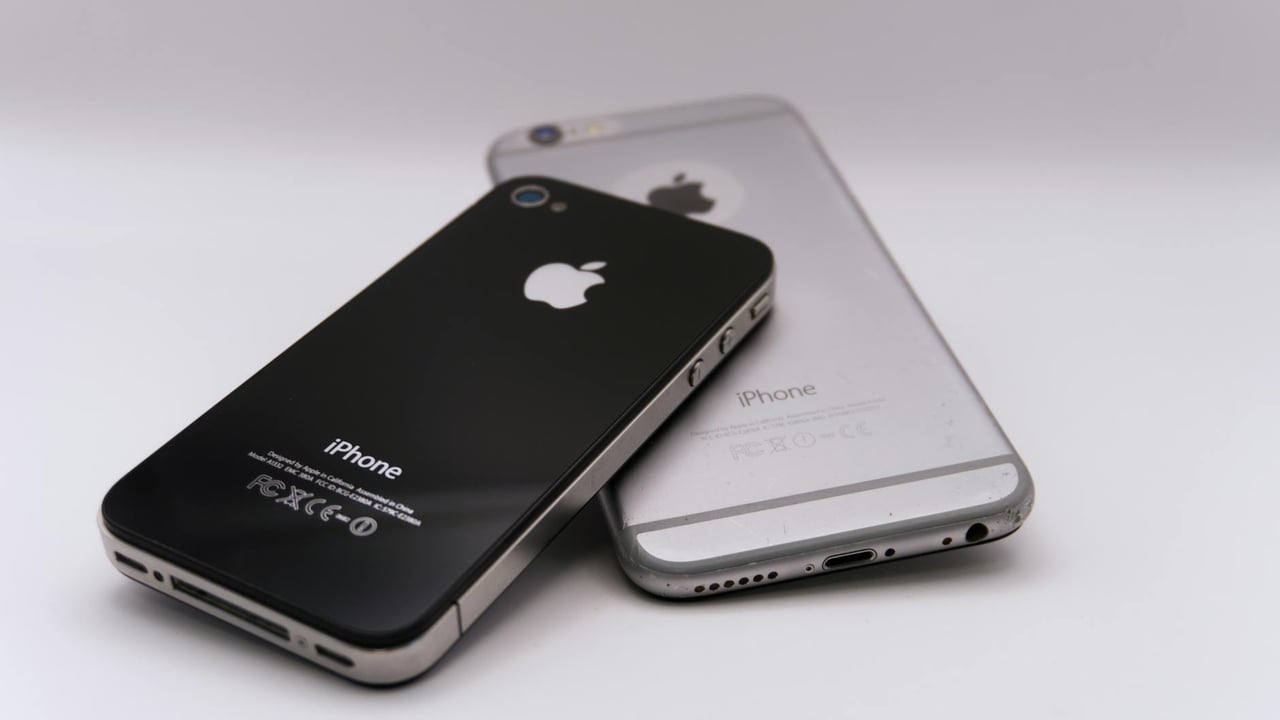
Two smartphones displayed on a white surface, showcasing modern technology.

Key Takeaways

  • 1iOS 27 will introduce a native 'Siri Mode' within the iPhone camera app.
  • 2The system uses 'Visual Intelligence' to allow users to ask questions about what the camera sees.
  • 3Apple is expected to leverage external AI partnerships, such as ChatGPT, for advanced reasoning tasks.
  • 4The update moves the iPhone closer to a multi-modal AI agent, prioritizing visual context over text input.

Editor's
Desk

Strategic Analysis

Apple’s decision to place AI at the forefront of the camera app represents a critical evolution in the 'post-app' era of smartphones. By integrating Siri Mode directly into the viewfinder, Apple is leveraging its greatest advantage—hardware-software vertical integration—to outmaneuver standalone AI hardware like the Rabbit R1 or Humane AI Pin. This strategy suggests that Apple views the camera not just as a sensor for photography, but as the primary gateway for spatial computing. If successful, iOS 27 will turn the iPhone into an 'AI-first' device, where the most valuable interaction happens before the shutter button is even pressed, cementing Apple's position in the high-stakes arms race for multi-modal personal assistants.

China Daily Brief Editorial
Strategic Insight
China Daily Brief

Apple is poised to redefine the relationship between the smartphone and the physical world with the upcoming launch of iOS 27. According to recent disclosures, the tech giant plans to integrate its proprietary Visual Intelligence features directly into the native camera application, moving beyond simple image capture toward a more proactive, multi-modal computing experience.

The most significant addition is a dedicated Siri Mode that will sit alongside traditional photography and video options. This interface allows users to point their lens at an object or environment and engage in a contextual dialogue powered by large language models, including potential integrations with partners like ChatGPT. This transformation effectively turns the iPhone’s camera into a sophisticated sensory input for Siri, rather than just a tool for capturing memories.

This shift reflects Apple’s broader strategic pivot toward 'Apple Intelligence,' where AI is no longer a siloed application but an ambient layer across the entire operating system. By embedding advanced visual reasoning within the camera, Apple is attempting to solve the friction of modern search, allowing users to query their reality in real-time without the need for text-based prompts or separate apps.

Furthermore, this move serves as a tactical bridge toward Apple’s long-term ambitions in augmented reality. By training users to view the world through a cognitive lens on their iPhones, the company is laying the behavioral groundwork for future hardware, such as smart glasses, where visual intelligence and environmental awareness will be the primary modes of interaction.

Share Article

Related Articles

📰
No related articles found