The Rise of the Micro-Combatant: China’s PLA Accelerates Grassroots Integration of Unmanned Systems

The People's Liberation Army is increasingly integrating 'self-made' miniature robots into its tactical units to advance its 'intelligentized' warfare strategy. These low-cost, versatile unmanned systems are designed to enhance squad-level lethality and reconnaissance, particularly in urban and confined combat environments.

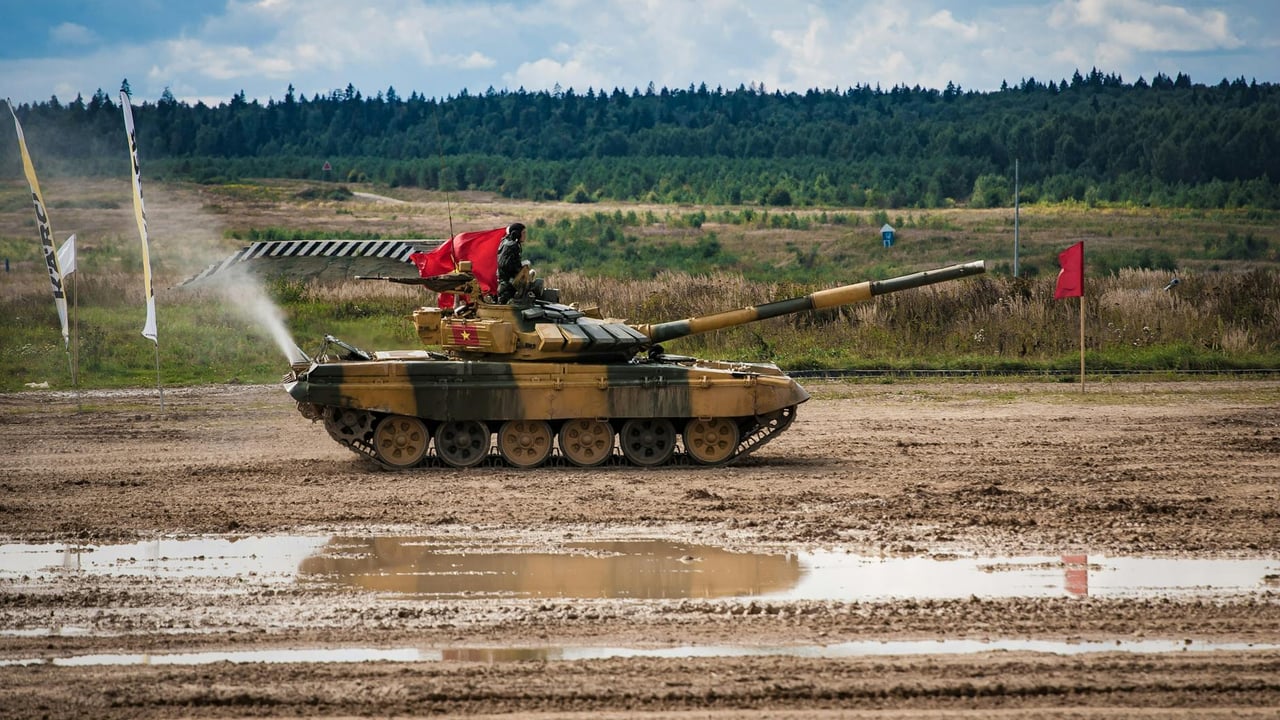
A military tank participating in a field training exercise with flags and muddy terrain.

Key Takeaways

  • 1The PLA is showcasing 'self-made' mini-robots to signal decentralized technological innovation within its ranks.
  • 2These unmanned systems are designed for high-intensity, close-quarters combat where traditional assets are less effective.
  • 3The deployment aligns with the national strategic goal of achieving 'intelligentized' warfare by 2027.
  • 4Emphasis is being placed on reducing human casualties by using expendable robotic scouts and fire-support platforms.

Editor's
Desk

Strategic Analysis

The significance of this development lies not in the sophistication of the individual robots, but in the 'democratization' of robotics across the PLA’s organizational structure. While the West often focuses on China’s strategic assets like hypersonic missiles or aircraft carriers, the mass adoption of squad-level UGVs could arguably have a more immediate impact on regional flashpoints, such as urban warfare scenarios in the First Island Chain. This move indicates that China is learning from the proliferation of cheap drones in the Ukraine conflict, prioritizing the ability to saturate a battlefield with low-cost, intelligent sensors and shooters that can be manufactured and deployed at scale.

China Daily Brief Editorial
Strategic Insight
China Daily Brief

A recent showcase by China Military Online has highlighted a significant shift in the People’s Liberation Army’s (PLA) tactical approach, focusing on the deployment of 'self-made' and modified miniature robots. These compact unmanned ground vehicles (UGVs) were seen operating at full capacity during recent drills, signaling a move away from purely high-end, centralized assets toward expendable, squad-level technology.

The integration of these mini-robots reflects the PLA’s broader strategic pivot toward 'intelligentized' warfare. By empowering lower-level units to operate and even customize their own unmanned systems, the Chinese military aims to enhance situational awareness and lethality in complex environments without risking human personnel. This grassroots technical adoption suggests a narrowing gap between high-level military doctrine and frontline execution.

Observers note that the focus on 'mini' robots is particularly relevant for urban combat and subterranean operations, where traditional armored vehicles and large drones struggle to navigate. These systems are often equipped with surveillance sensors and small-caliber weaponry, transforming them into versatile tools for reconnaissance and direct fire support. This shift mirrors global trends seen in modern conflict zones, where low-cost, high-tech solutions often dictate the pace of small-unit engagements.

Furthermore, the emphasis on 'self-made' or locally adapted gear indicates a growing culture of technical innovation within the PLA’s ranks. Rather than relying solely on state-owned defense giants for every piece of equipment, tactical units are being encouraged to iterate on existing platforms. This decentralization of technology development could potentially accelerate the PLA’s ability to adapt to rapidly changing battlefield conditions.

Share Article

Related Articles

📰
No related articles found