
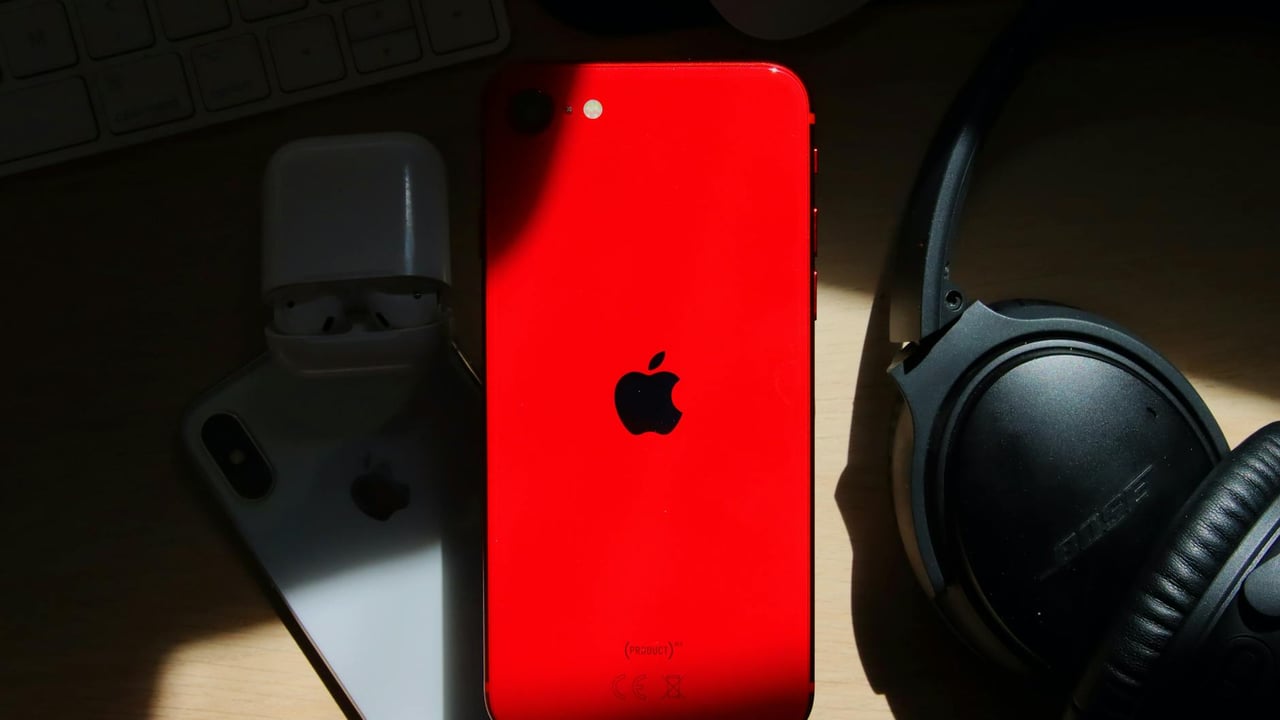

Apple’s latest earnings report for the second fiscal quarter of 2026 paints a picture of a company at its financial zenith even as it navigates its most significant leadership transition in fifteen years. With total revenue hitting a record $111.2 billion and net profits climbing nearly 20% to $29.6 billion, the Cupertino giant continues to defy skeptics who predicted the iPhone’s decline. This financial resilience is particularly visible in the Greater China market, where revenues surged 28%, a stark reversal from previous quarters of stagnation.
Despite the impressive balance sheet, the narrative surrounding the results is dominated by the impending departure of Tim Cook and the ascension of John Ternus as CEO this September. Ternus, a twenty-five-year Apple veteran, inherits a machine finely tuned for operational excellence but increasingly criticized for its incremental approach to innovation. While the iPhone 17 series remains the most popular product line in the company's history, the strategy of 'squeezing the toothpaste'—making minor annual updates—is facing diminishing returns in a world obsessed with generative AI.
The earnings call revealed a striking disparity in priorities: Cook mentioned the iPhone over fifty times while referencing 'Apple Intelligence' only five times. While competitors like Microsoft and Google have pivoted entirely to an AI-first footing, Apple remains conspicuously cautious, relying on a billion-dollar partnership with Google to power its upcoming Siri enhancements. This suggests that while Apple has the cash flow to wait, it lacks the internal momentum to lead the current technological epoch independently.
Ternus’s leadership will be immediately tested by the launch of the iPhone 18 Pro and the long-rumored foldable iPhone later this year. Having already overseen the lukewarm reception of the Vision Pro and the iPhone Air, the incoming CEO must prove he can deliver a 'Jobs-ian' breakthrough rather than just 'Cook-esque' efficiency. The company’s strategic 'soft underbelly' remains AI, and the market is watching closely to see if the upcoming WWDC can finally bridge the gap between Apple’s hardware armor and its software lag.
Ultimately, Apple is choosing stability over radical transformation during this handover. Ternus has signaled his intention to maintain Cook’s disciplined financial rigor and cautious product roadmaps. However, as the mobile internet era yields to the age of AI, the question remains whether a 'younger Tim Cook' is the right captain to steer the world’s most valuable hardware company through the coming storm of disruption.