
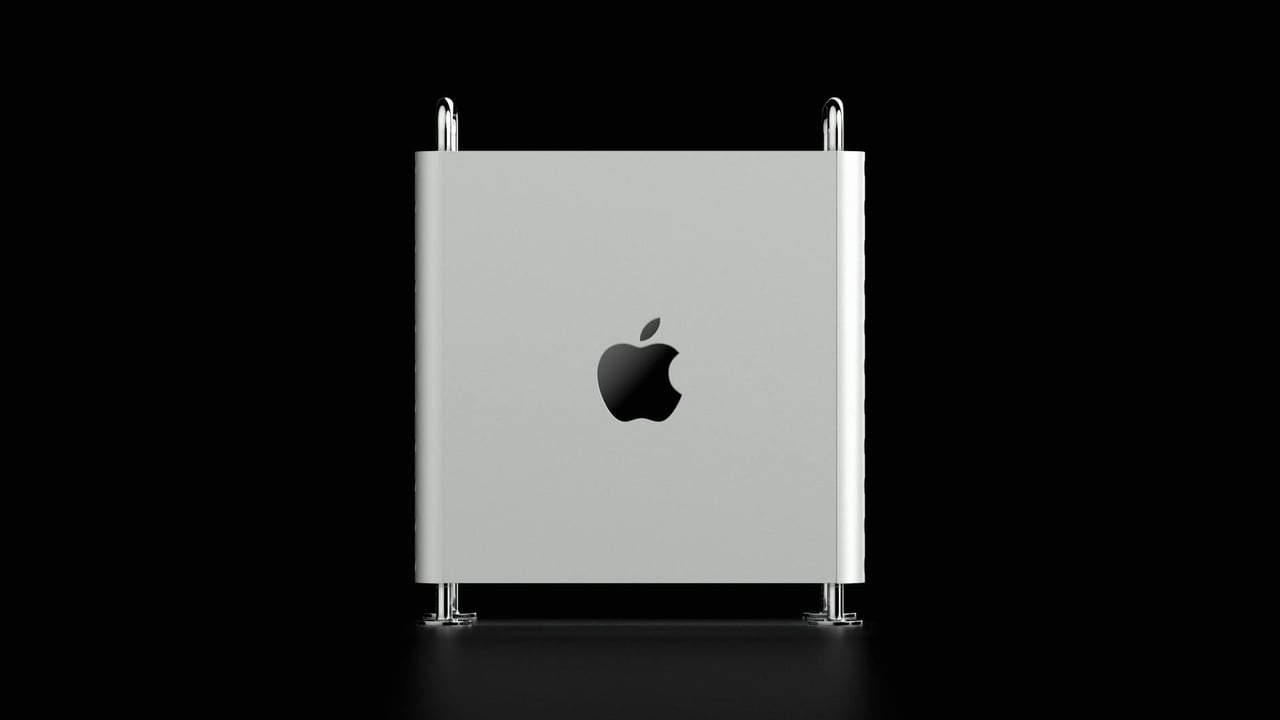

Apple has officially ended the era of the $599 entry-level desktop, raising the starting price of the Mac Mini to $799. This move, which effectively eliminates the previous entry-tier 256GB storage configuration, comes as the tech giant struggles to reconcile surging demand for AI-capable hardware with a tightening supply of its most advanced silicon.
During a recent earnings call, CEO Tim Cook attributed the price adjustment and ongoing inventory shortages to critical bottlenecks in System-on-Chip (SoC) production. The M4 processors powering these units are manufactured on cutting-edge process nodes that are currently facing severe capacity constraints, leaving Apple unable to meet the higher-than-expected appetite for its compact desktops.
The demand is being driven by a paradigm shift in how consumers use small-form-factor computers. Rather than simple office tasks, users are increasingly deploying the Mac Mini and Mac Studio as localized AI hubs. These machines are being used to run large language models (LLMs) and autonomous agents locally, a trend that prioritizes high-bandwidth memory and reliable storage over cloud-based alternatives.
This supply-demand imbalance is not isolated to the desktop line. The MacBook Neo, another entry-level favorite, has also seen demand far outpace supply, suggesting that the broader market is hungry for affordable gateways into the 'Apple Intelligence' ecosystem. To mitigate these risks and diversify its supply chain, Apple is preparing to shift some Mac Mini production to Houston, Texas, later this year.
The price hike reflects a broader industry trend where hardware manufacturers are passing on the costs of the AI revolution to the consumer. As Meta and other peers also adjust pricing structures, it is becoming clear that the computational requirements of on-device AI are fundamentally resetting the 'baseline' for what constitutes a consumer-grade computer.