

The global financial landscape reached a symbolic milestone this week as the Nasdaq Composite surged past the 25,000-point threshold, a feat driven by robust corporate earnings and the long-awaited materialization of artificial intelligence returns. While the Dow Jones Industrial Average softened, the tech-heavy index’s ascent to 25,114.44 underscores a deepening bifurcation in the American economy. Investors are increasingly favoring the high-growth potential of the 'Magnificent Seven' over traditional industrial sectors, even as the broader market grapples with a complex web of inflationary pressures and shifting monetary signals.
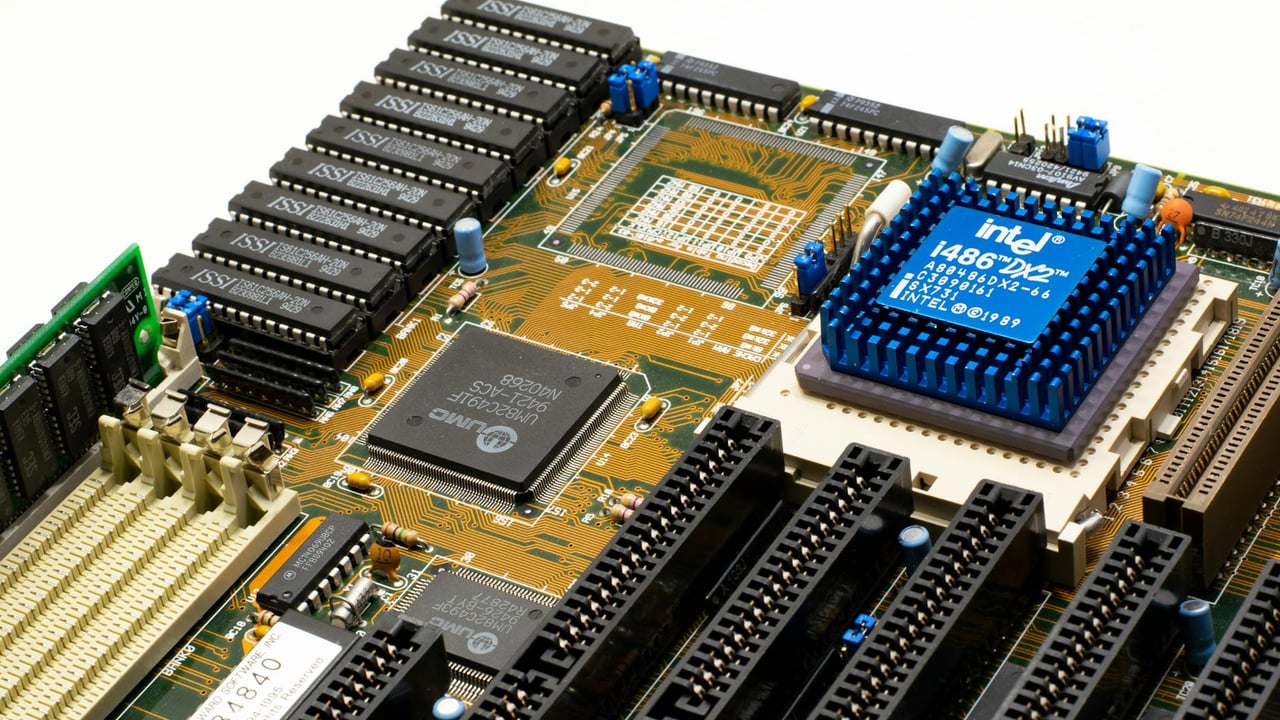
Intel provided the weekend’s most compelling comeback story, with its market capitalization eclipsing $500 billion for the first time in years. The semiconductor giant’s stock rose more than 5%, capping a weekly gain of over 20% as the market re-evaluates its position in the global AI hardware supply chain. Apple similarly buoyed sentiment, jumping 3.24% following an optimistic revenue forecast. The Cupertino giant’s commitment to a $100 billion share buyback program and the strong debut of the iPhone 17 and MacBook Neo series have reassured skeptics regarding the resilience of premium consumer demand.
However, the exuberance in Silicon Valley stands in stark contrast to the volatility in the energy and diplomatic spheres. Global oil benchmarks witnessed a dramatic retreat, with WTI crude plunging nearly 6% at its intraday low. This sudden correction followed reports of a revised peace proposal from Tehran. Although President Trump expressed public dissatisfaction with the terms of the deal during a White House press briefing, the mere existence of high-level telephone negotiations between Washington and Tehran has introduced a tentative 'peace discount' into energy prices, which had previously been bloated by fears of a total blockade.
Internal friction at the Federal Reserve added another layer of complexity to the week’s close. In what was Jerome Powell’s final interest rate meeting as Chair, a notable rift emerged within the Federal Open Market Committee. Three officials, including Dallas Fed President Lorie Logan, dissented against the central bank’s dovish leanings. They argued that the 2% inflation target remains elusive and that the policy statement’s suggestion of future rate cuts is premature, particularly given the ongoing risk of supply-side shocks from Middle Eastern conflicts.
As the first-quarter earnings season enters its final stretch, the data reveals a corporate America that is leaner and more profitable than many analysts anticipated. With 83% of reporting S&P 500 firms beating earnings estimates, the fundamental backdrop for equities remains sturdy. Yet, as Logan and her colleagues warned, the market’s reliance on forward guidance as a policy tool means that any sudden hawkish shift could test the durability of these new record highs in the months to come.