A Legend Recharged: Chery’s QQ3 Revival Finds Instant Traction in China’s Budget EV Market

Chery Automobile successfully launched the new QQ3 pure electric sedan, delivering over 13,600 units in its first month. The vehicle revitalizes a classic brand name to compete in China's highly competitive budget EV segment against rivals like Wuling and BYD.

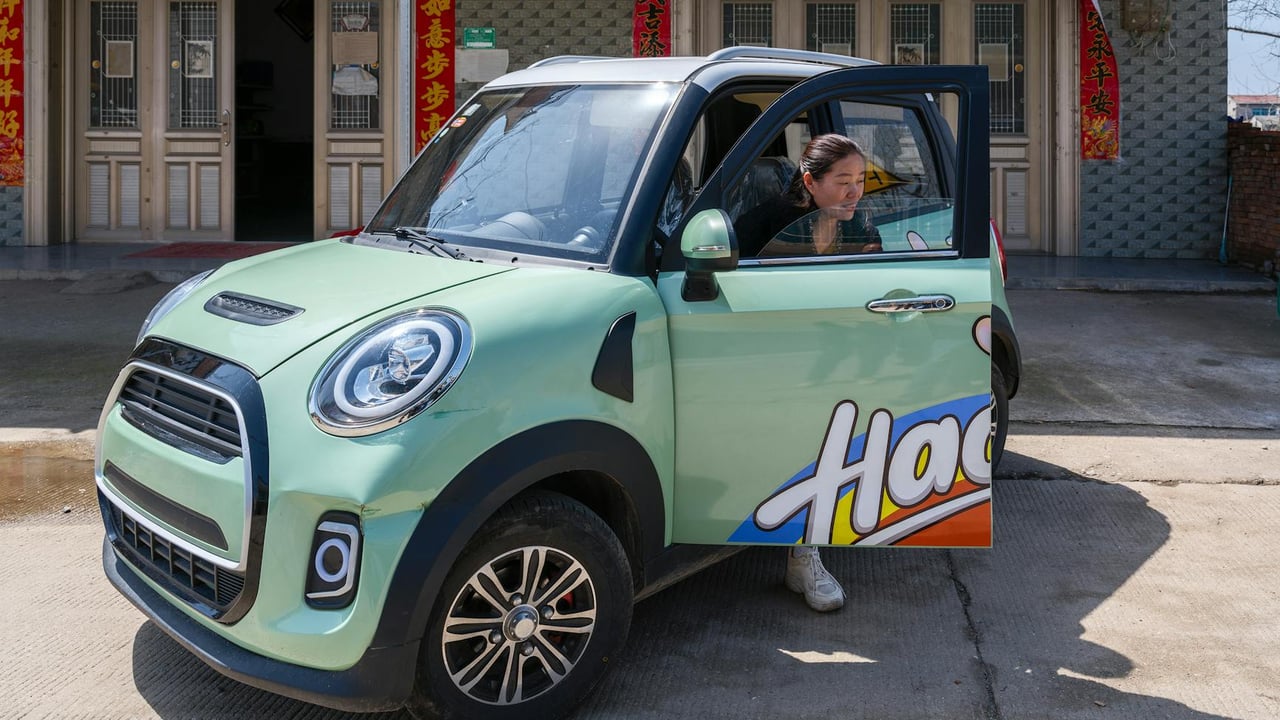
Young woman exits vibrant electric car parked in an urban area, surrounded by cultural decorations.

Key Takeaways

  • 1Chery delivered 13,612 units of the New QQ3 electric sedan in its first month of availability.
  • 2The model revives the 'QQ' branding, which was iconic in China’s internal combustion engine era for its affordability.
  • 3The QQ3 is positioned to compete directly in the micro-EV space, challenging market leaders Wuling and BYD.
  • 4Initial sales success suggests Chery's strategy of combining heritage branding with modern EV tech is resonating with entry-level buyers.

Editor's
Desk

Strategic Analysis

Chery’s decision to revive the QQ nameplate is a calculated move to utilize 'legacy trust' in a market currently flooded with indistinguishable new startups. While the delivery of 13,612 units is a strong start, the long-term challenge for Chery will be maintaining this momentum without cannibalizing its own budget-tier hybrids. In the broader context of the Chinese automotive industry, the success of the QQ3 proves that there is still significant headroom in the 'neighborhood electric vehicle' (NEV) category, provided the price point stays below the 60,000 RMB threshold. If Chery can scale production further, the QQ3 could become a critical tool for the brand to meet carbon credit requirements while subsidizing the development of its high-end intelligent driving platforms.

China Daily Brief Editorial
Strategic Insight
China Daily Brief

Chery Automobile has signaled a formidable return to the micro-EV segment, reporting 13,612 deliveries of its new QQ3 pure electric sedan in its inaugural month. This milestone reflects a successful strategic pivot for the state-owned automaker as it leverages one of China’s most storied automotive brand names to capture the entry-level battery-electric vehicle (BEV) market. The robust debut suggests that nostalgia, paired with aggressive pricing, remains a potent weapon in the world’s largest car market.

The QQ3 is the spiritual successor to the original Chery QQ, a vehicle that revolutionized car ownership in China during the early 2000s by making mobility affordable for the emerging middle class. By electrifying this legacy nameplate, Chery is attempting to replicate that democratic ethos for the new energy era. The model targets young urban professionals and families in lower-tier cities who prioritize maneuverability and low operating costs over long-range performance.

However, Chery enters a battlefield characterized by razor-thin margins and hyper-competition. The micro-EV segment is currently a duopoly dominated by the Wuling Hongguang MINI EV and BYD’s Seagull. Chery’s ability to move over 13,000 units in thirty days indicates that the 'QQ' brand equity still holds significant weight, potentially disrupting the established hierarchy of budget-friendly commuters.

This delivery surge comes amid a broader product offensive from Chery, which includes the expansion of its 'Fengyun' hybrid line and the flagship 'Tiggo' SUV series. As the Chinese EV price war persists, Chery is positioning the QQ3 as a high-volume anchor. This strategy allows the company to secure vital market share at the lower end of the spectrum while its more premium sub-brands focus on the higher-margin technologies of autonomous driving and smart cockpits.

Share Article

Related Articles

📰
No related articles found